Kód: 35831850
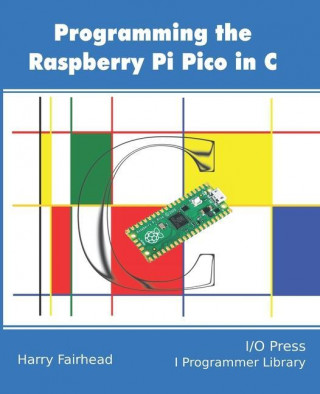
Programming The Raspberry Pi Pico In C
Autor Fairhead Harry Fairhead
There is a new edition of this book: Programming The Raspberry Pi Pico/W In C, Second EditionThe Raspberry Pi Pico is a remarkable microcontroller. It has a power and sophistication that would have been unthinkable just a short ti ... celý popis


- Jazyk:
 Angličtina
 - Vazba: Brožovaná
- Počet stran: 374
Nakladatelství: I/O Press, 2021
- Více informací o knize


Mohlo by se vám také líbit
-

The Long Game
227 Kč -

The 48 Laws of Power
416 Kč -

Boys Omnibus Vol. 2 TPB
525 Kč -

Batman: Year One
244 Kč -

Jujutsu Kaisen, Vol. 6
240 Kč -

When the Body Says No
268 Kč -

Walking Dead Compendium Volume 1
956 Kč -

The Perks of Being a Wallflower
208 Kč -

Grandmaster of Demonic Cultivation: Mo Dao Zu Shi (Novel) Vol. 5
321 Kč -

Lost Continent (Wings of Fire #11)
170 Kč -

Once Upon a Broken Heart
165 Kč -

Cambridge English Qualifications: C1 Advanced Practice Tests Plus Volume 1 with key
468 Kč -

Attack On Titan Season 2 Manga Box Set
687 Kč -

JoJo's Bizarre Adventure: Part 3 - Stardust Crusaders, Vol. 1
442 Kč -
Open Circuits
621 Kč -
Foundation
169 Kč -

The Bad Guys Box Set: Books 1-5
489 Kč -

The Complete Book of Scales, Chords, Arpeggios & Cadences
350 Kč -

Overlord, Vol. 1
359 Kč -

Crime and Punishment
341 Kč -

Small Gods
317 Kč -

Jonathan Livingston Seagull
206 Kč -

The City of Brass
219 Kč -

The phoenix and the albatross
400 Kč -

English Idioms in Use Intermediate Book with Answers
552 Kč -

SAGA OF TANYA THE EVIL V25
306 Kč -

Design Patterns in Modern C++20
723 Kč -

Mindset
278 Kč -

The Ballad of Never After
317 Kč -

Metaphysical Anatomy
884 Kč -

The Concise Art of Seduction
227 Kč -

Magic Eye: A New Way of Looking at the World
334 Kč -

All the Light We Cannot See
178 Kč -

Silver Eyes (Five Nights at Freddy's Graphic Novel #1)
242 Kč -

The Godfather
235 Kč -

Pluto: Urasawa x Tezuka, Vol. 1
308 Kč -

Promised Neverland, Vol. 1
183 Kč -
The Art and Soul of Dune
801 Kč -

Elegant Puzzle
568 Kč -

Reaper at the Gates
227 Kč -

Thematic Analysis
1134 Kč -

All New Official Minecraft Combat Handbook
227 Kč -

Smart Brevity
317 Kč -

Dictionary of Demons: Expanded and Revised
599 Kč -
The Python Bible 7 in 1: Volumes One To Seven
811 Kč -

The Road to Unfreedom
227 Kč -

Herbal Antibiotics, 2nd Edition: Natural Alternatives for Treating Drug-resistant Bacteria
428 Kč -

Angel Tarot
524 Kč -

Pip and Posy: The Bedtime Frog
357 Kč -

Moriarty the Patriot, Vol. 7
191 Kč -

King Leopold's Ghost
355 Kč -

Catcher in the Rye
194 Kč -

Watchmen: International Edition
400 Kč -

Beginner's Guide to Fantasy Drawing
395 Kč -

Ara Guler's Istanbul
708 Kč -

Million Dollar Weekend
358 Kč -

Mortal Instruments 4: City of Fallen Angels
227 Kč -

One-Dimensional Man
541 Kč -

The Defining Decade (Revised)
317 Kč -

Hunting Ground
179 Kč -

Dune
380 Kč -

I Found a Kitty!
174 Kč -
Get Started with MicroPython on Raspberry Pi Pico
334 Kč -

13 Things Mentally Strong People Don't Do
285 Kč -

Wolf Children: Ame & Yuki
428 Kč -

More Shibari You Can Use
443 Kč -

How to Train Your Dragon: The Ultimate Collector Card Edition
445 Kč -

Jungle Magic Painting Book
161 Kč -

Power of Positive Thinking
358 Kč -

Digital Fortress
194 Kč -
Programming Rust
1360 Kč -
Programming Arduino: Getting Started with Sketches, Third Edition
281 Kč -
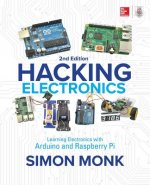
Hacking Electronics: Learning Electronics with Arduino and Raspberry Pi, Second Edition
537 Kč -

Big Sleep and Other Novels
301 Kč -

DIARY OF A FEMALE LEAD SHUJINKOU V01
241 Kč -

The Storyteller
244 Kč -

The Art and Soul of Dune
1032 Kč -
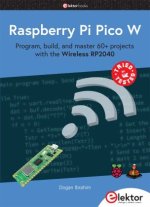
Raspberry Pi Pico W
858 Kč -
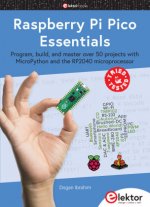
Raspberry Pi Pico Essentials
825 Kč -
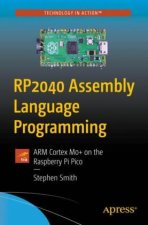
RP2040 Assembly Language Programming
1537 Kč -
Python Programming for the Absolute Beginner, Third Edition
1174 Kč -
Master the Raspberry Pi Pico in C: WiFi with lwIP & mbedtls
810 Kč -
Python for Beginners: A Step-by-Step Guide to Learn Python from Zero in just 5 Days Includes Hands-on-Projects and Exercises
362 Kč -

Strengthening the Soul of Your Leadership - Seeking God in the Crucible of Ministry
474 Kč -

Raspberry Pi By Example
1034 Kč -
C++17 STL Cookbook
1229 Kč -

Raspberry Pi Pico Simplified
532 Kč -
Exploring the Raspberry Pi 2 with C++
1115 Kč -

Listář 2
460 Kč -
Beginning MicroPython with the Raspberry Pi Pico
1108 Kč -
Programming The Raspberry Pi Pico/W In C, Second Edition
960 Kč
Darujte tuto knihu ještě dnes
- Objednejte knihu a zvolte Zaslat jako dárek.
- Obratem obdržíte darovací poukaz na knihu, který můžete ihned předat obdarovanému.
- Knihu zašleme na adresu obdarovaného, o nic se nestaráte.
Více informací o knize Programming The Raspberry Pi Pico In C
Nákupem získáte 81 bodů
 Anotace knihy
There is a new edition of this book: Programming The Raspberry Pi Pico/W In C, Second Edition
The Raspberry Pi Pico is a remarkable microcontroller. It has a power and sophistication that would have been unthinkable just a short time ago. For the sort of jobs it is ideal for, it has plenty of processing power and enough memory to make tasks that would have once required careful planning, relatively easy. Instead of struggling with the machine, you can now focus on getting a good implementation of your algorithms. To enjoy all of its power and sophistication there is no better language than C. It wastes none of the power and it gives you what you need to get at the new features. However, getting started with the Pico with C is no easy feat, which is what motivated this book about creating programs so that testing and debugging is easy.
Programming the Raspberry Pi Pico in C uses the highly popular VS Code as its development environment and shows how to use a Raspberry Pi or a desktop PC running Windows as your development machine. The purpose of the book is to reveal what you can do with the Pico's GPIO lines together with widely used sensors, servos and motors and ADCs. After covering the GPIO, outputs and inputs, events and interrupts, it gives you hands-on experience of PWM (Pulse Width Modulation), the SPI bus, the I2C bus and the 1-Wire bus.
One of the key advantages of the Pico is its PIO (Programmable I/O) and while this is an advanced feature it is included in this book. After finding out how the PIO works, we apply it to writing a PIO program for the DHT22 and the 1-Wire bus. One current drawback of the Pico it is that it doesn't have a network connection. To solve this problem there is a chapter on using the low-cost ESP8266 as a WiFi client and web server. The two devices together make the Pico a true IoT device.
Harry Fairhead has a hardware background and, having worked with microprocessors and electronics in general, for many years, he is an enthusiastic proponent of the IoT and embedded computing. He is the author of two books intended for C programmers, Fundamental C: Getting Closer To The Machine and Applying C For the IoT With Linux and four books on the using the Raspberry Pi in an IoT context, two using C and two using Python. He is now working on a Python version of this book for the Pico.
Parametry knihy
811 Kč
- Plný název: Programming The Raspberry Pi Pico In C
- Autor: Fairhead Harry Fairhead
- Jazyk: Angličtina
- Vazba: Brožovaná
- Počet stran: 374
- EAN: 9781871962680
- ISBN: 1871962684
- ID: 35831850
- Nakladatelství: I/O Press
- Hmotnost: 678 g
- Rozměry: 190 × 234 × 24 mm
- Datum vydání: 27. April 2021
Oblíbené z jiného soudku
-

Moonwalk
261 Kč -

The Score
332 Kč -

The Deal
283 Kč -

The Mistake
227 Kč -

Jujutsu Kaisen, Vol. 30
233 Kč -

Witch Hat Atelier: Grimoire Edition 1
777 Kč -

Berserk Deluxe Volume 1
804 Kč -

Invincible Compendium Volume 2
1024 Kč -

Invincible Compendium Volume 1
1108 Kč -

The Goal
321 Kč -

Berserk Deluxe Volume 2
862 Kč -

Witch Hat Atelier Manga Box Set 1
1268 Kč -

Heated Rivalry
227 Kč -

Lord of Mysteries, Vol. 3: The Clown, Part III
355 Kč -

Moonwalk: A Memoir
525 Kč -

Murdoku
358 Kč -

Jujutsu Kaisen, Vol. 25
240 Kč -

Jujutsu Kaisen, Vol. 26
240 Kč -

Berserk Deluxe Volume 3
804 Kč -

Jujutsu Kaisen, Vol. 29
240 Kč -

Veil Volume 1
292 Kč -

White Nights
89 Kč -

Legacy
248 Kč -

The Deal
319 Kč -

King of Gluttony
229 Kč -

JoJo's Bizarre Adventure: Part 7--Steel Ball Run, Vol. 7
432 Kč -

Invincible Compendium Volume 3
1108 Kč -

Invincible Volume 1
242 Kč -

Starside (Deluxe Limited Edition)
522 Kč -

Berserk Deluxe Volume 5
782 Kč -

Dancing The Dream
522 Kč -

Project Hail Mary
227 Kč -

The Summer Hikaru Died, Vol. 7
272 Kč -

Berserk Deluxe Volume 4
854 Kč -

Jojo's Bizarre Adventure: Part 7--Steel Ball Run, Vol. 1
442 Kč -

Yesteryear
370 Kč -

Jujutsu Kaisen, Vol. 28
226 Kč -

Boys Omnibus Vol. 1 TPB
619 Kč -

Jojo's Bizarre Adventure: Part 7--Steel Ball Run, Vol. 2
442 Kč -

The Score
319 Kč -

The Ballad of Falling Dragons
275 Kč -

Veil Volume 2
362 Kč -

Murdoku
309 Kč -

Lord of Mysteries, Vol. 1: The Clown, Part I
340 Kč -

The Courage To Be Disliked
206 Kč -

The Mistake
319 Kč -

Chainsaw Man, Vol. 20
199 Kč -

Jujutsu Kaisen, Vol. 1
244 Kč -

Project Hail Mary
380 Kč
Osobní odběr Praha, Brno a 46512 dalších
Copyright ©2008-26 nejlevnejsi-knihy.cz Všechna práva vyhrazenaSoukromíCookies

 Vrácení do měsíce
 571 999 099 (8-15.30h)