Kód: 05083660
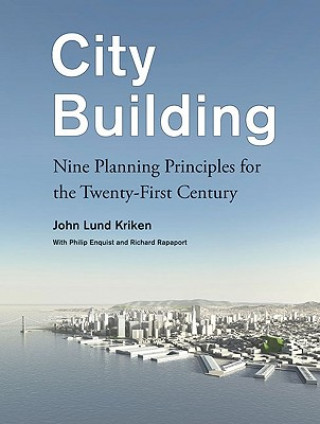
City Building
Autor John Lund Kriken
Good city building is not created by complex statistics, functional problem solving, or any particular decision-making process. Successful cities instead come from people advocating easily understood human values and principles th ... celý popis


- Jazyk:
 Angličtina
 - Vazba: Brožovaná
- Počet stran: 304
Nakladatelství: PRINCETON ARCHITECTURAL PRESS, 2010
- Více informací o knize

1143 Kč
Dostupnost:
50 % šance Máme informaci, že by titul mohl být dostupný. Na základě vaší objednávky se ho pokusíme do 6 týdnů zajistit.
Prohledáme celý svět
Mohlo by se vám také líbit
-

86 - Eighty-Six, Vol. 8 (light novel)
307 Kč -
Framed Perspective Vol. 1
774 Kč -

Die unendliche Geschichte
410 Kč -

English-Spanish First Little Readers: Guided Reading Level a (Parent Pack): 25 Bilingual Books That Are Just the Right Level for Beginning Readers
427 Kč -
Ludzie z nieba
324 Kč -

Beste Freunde 2 (A1/2) pracovní sešit
257 Kč -

Cure Tooth Decay
727 Kč -

Forces of Nature
223 Kč -

Włoski. Słowo do słowa dla początkujących A1
243 Kč -

Nataša
243 Kč -
Tales from Moominvalley
224 Kč -

Beinwell
555 Kč -
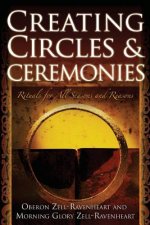
Creating Circles and Ceremonies
421 Kč -

Polskie szlagiery: I nikomu nie wolno się z tego śmiać
249 Kč -

American Conspiracy Theories
3490 Kč -

La Habana de ayer
444 Kč -
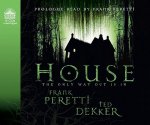
House
782 Kč -

Danke
408 Kč -
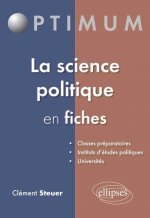
La Science politique en fiches
681 Kč -

Stained Class/Ram It Down
388 Kč -
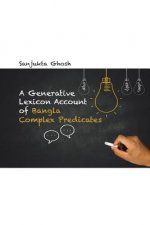
Generative Lexicon Account of Bangla Complex Predicates
263 Kč -

Oasis
392 Kč -
Mosaic
253 Kč -

Simon, !Que viene el lobo! / Simon . . . The Wolf is Coming!)
361 Kč -

Conni geht auf Klassenfahrt (Meine Freundin Conni - ab 6 3), Audio-CD
205 Kč -

Kapitalistické básně
113 Kč -

Electroactive Polymer Electrochemistry
2357 Kč -

Primer for Unit Root Testing
2646 Kč -

Advanced Dairy Chemistry
5036 Kč -

UNA INVITACION A LA LIBERTAD
374 Kč -

Inquilab
411 Kč -

Reading Milton through Islam
5435 Kč -

Take A God Look At Yourself
237 Kč -

Gas Giant Jump
734 Kč -

Clinical Atlas of Burn Managment
4948 Kč -
Communication Options in the Education of Deaf Children
1795 Kč -

Familiengeschichten
1145 Kč -

O Segredo de Mateus
193 Kč -

Christian Faith
625 Kč -

Starving Anonymous Re:velation 02
205 Kč -

A Deadly Compulsion
289 Kč -

Atreveix-te amb tres
255 Kč
Darujte tuto knihu ještě dnes
- Objednejte knihu a zvolte Zaslat jako dárek.
- Obratem obdržíte darovací poukaz na knihu, který můžete ihned předat obdarovanému.
- Knihu zašleme na adresu obdarovaného, o nic se nestaráte.
Informovat o naskladnění knihy
Zadejte do formuláře e-mailovou adresu a jakmile knihu naskladníme, zašleme vám o tom zprávu. Pohlídáme vše za vás.
Více informací o knize City Building
Nákupem získáte 114 bodů
 Anotace knihy
Good city building is not created by complex statistics, functional problem solving, or any particular decision-making process. Successful cities instead come from people advocating easily understood human values and principles that take into account the sensory, tactile, and sustainable qualities of environment and design in relation to what is the best of human endeavor.--From the introduction to City Building Cities are often viewed as the least-healthy environments for humans because they are centers of pollution, overcrowdedness, and waste. But the opposite can be true. A well-planned city can be a model of sustainable living. Good city building counters the sprawl of suburbia with concentrated land use, replaces globalized design with regionally appropriate building types, and allows for livable, desirable neighborhoods. John Lund Kriken and Philip Enquist, both longtime partners in the preeminent and award-winning planning firm Skidmore, Owings & Merrill(SOM) have collaborated with writer Richard Rapaport to create City Building. This proactive, green-focused, user-friendly guide to city building is organized into three parts: Part one examines the past and defines the current practice of city building, addressing its shortcomings and proposing a comprehensive framework for rethinking the approach to cities in the future. Part two translates this framework into nine best-practice principles that are common to successful, livable, urban environments: sustainability, accessibility, diversity, open space, compatibility, incentives, adaptability, density, and identity. These principles are illustrated in a global portfolio of city building projects, designed by SOM, that show how best practices have been applied successfully. Part three makes the case that, far from being the problem, cities, properly organized, can be a mechanism for sensible, sustainable uses of increasingly scarce resources. The book concludes with a call for a national planning process and a comprehensive framework for settlement.
Parametry knihy
Zařazení knihy Knihy v angličtině The arts Architecture Landscape art & architecture
1143 Kč
- Plný název: City Building
- Autor: John Lund Kriken
- Jazyk: Angličtina
- Vazba: Brožovaná
- Počet stran: 304
- EAN: 9781568988818
- ISBN: 1568988818
- ID: 05083660
- Nakladatelství: PRINCETON ARCHITECTURAL PRESS
- Hmotnost: 846 g
- Rozměry: 254 × 191 × 24 mm
- Datum vydání: 12. May 2010
Oblíbené z jiného soudku
-
A Pattern Language
1205 Kč -
Design With Nature
1502 Kč -
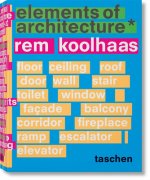
Elements of Architecture
3083 Kč -

Art of the Islamic Garden
615 Kč -
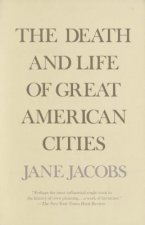
Death and Life of Great American Cities
335 Kč -
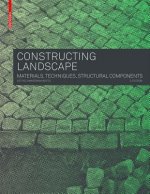
Constructing Landscape
1186 Kč -
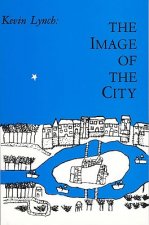
Image of the City
841 Kč -
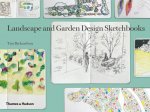
Landscape and Garden Design Sketchbooks
851 Kč -
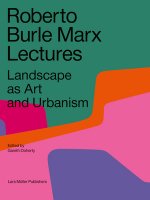
Roberto Burle Marx Lectures: Landscape as Art and Urbanism
653 Kč -

Streetfight
373 Kč -
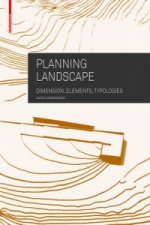
Planning Landscape
1079 Kč -
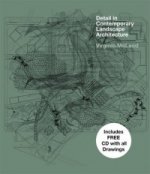
Detail in Contemporary Landscape Architecture
896 Kč -
City as a Project
633 Kč -
Drawing for Landscape Architecture
664 Kč -
Elements in Landscape
938 Kč -
Art of Building Cities
305 Kč -
Architecture of the City
1157 Kč -
Mediterranean Landscape Design
626 Kč -
Life Between Buildings
961 Kč -

Landscape Architecture
1064 Kč -
Collage City
923 Kč -
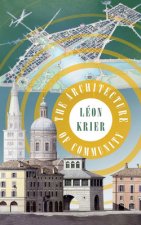
Architecture of Community
1230 Kč -
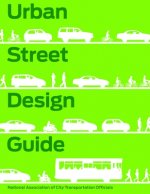
Urban Street Design Guide
1221 Kč -
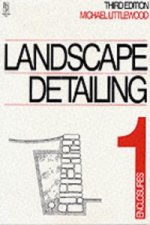
Landscape Detailing Volume 1
2254 Kč -
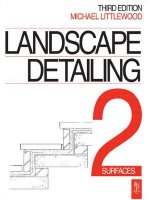
Landscape Detailing Volume 2
2254 Kč -
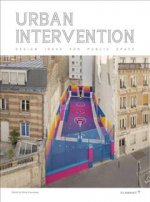
Urban Intervention: Design Ideas for Public Space
1033 Kč -

Therapeutic Landscapes - An Evidence-Based Approach to Designing Healing Gardens and Restorative Outdoor Spaces
2109 Kč -

Infrastructure
1012 Kč -
Landscape Architecture Documentation Standards - Principles, Guidelines and Best Practices
1987 Kč -
Illustrated History of Landscape Design
1704 Kč -

Capability Brown and the English Landscape Garden
240 Kč -
Landscape Detailing Volume 4
2392 Kč -

Designing for Play
1705 Kč -
Modeling Post-Socialist Urbanization
1042 Kč -
How to Read Bridges
357 Kč -
Gardens in the Modern Landscape
810 Kč -
Art of the Louvre's Tuileries Garden
1153 Kč -
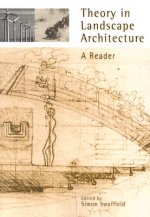
Theory in Landscape Architecture
753 Kč -
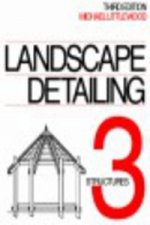
Landscape Detailing Volume 3
2168 Kč -
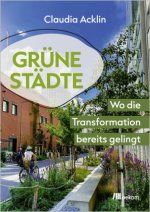
Grüne Städte
612 Kč -
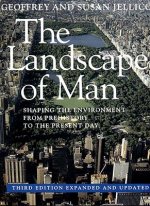
Landscape of Man
564 Kč -
Off the Grid
768 Kč -
City Shaped
596 Kč -
Hungry City
361 Kč -
30:30 Landscape Architecture
1583 Kč -
Course of Landscape Architecture
1250 Kč -
How to Study Public Life
894 Kč -

Planning Architecture
1614 Kč -
Tactical Urbanism
833 Kč
Osobní odběr Praha, Brno a 45817 dalších
Copyright ©2008-26 nejlevnejsi-knihy.cz Všechna práva vyhrazenaSoukromíCookies

 Vrácení do měsíce
 571 999 099 (8-15.30h)