Kód: 37003470
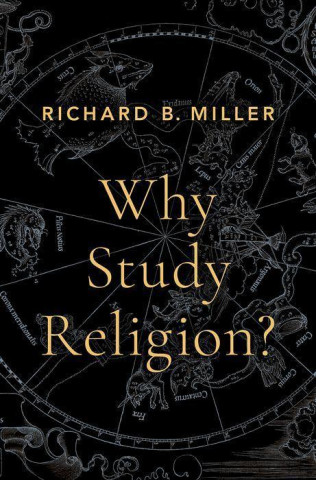
Why Study Religion?
Autor Richard B. Miller
Can the study of religion be justified? Scholarship in religion, especially work in "theory and method," is preoccupied with matters of research procedure and thus inarticulate about the goals that motivate scholarship in the fie ... celý popis


- Jazyk:
 Angličtina
 - Vazba: Pevná
- Počet stran: 320
Nakladatelství: Oxford University Press Inc, 2023
- Více informací o knize


Mohlo by se vám také líbit
-

Stranger Things: The Complete Scripts, Season 1
415 Kč -

Lovesickness: Junji Ito Story Collection
381 Kč -

How to Date Men When You Hate Men
392 Kč -

A Guide to the Project Management Body of Knowledge and the Standard for Project Management
2190 Kč -

Pattern Cutting Second Edition
992 Kč -

David Busch's Sony Alpha a7 III Guide to Digital Photography
752 Kč -

Gustav Klimt
596 Kč -

Scottish Folk and Fairy Tales from Burns to Buchan
248 Kč -

Taylor Swift: For Clarinet
352 Kč -
Bossuet: Politics Drawn from the Very Words of Holy Scripture
1121 Kč -
Q-Thomas Reader
590 Kč -

mossa del matto. L'Iliade di Bobby Fischer
329 Kč -

Test Yourself: Biological Psychology
557 Kč -
3D Computer Graphics
2629 Kč
Darujte tuto knihu ještě dnes
- Objednejte knihu a zvolte Zaslat jako dárek.
- Obratem obdržíte darovací poukaz na knihu, který můžete ihned předat obdarovanému.
- Knihu zašleme na adresu obdarovaného, o nic se nestaráte.
Více informací o knize Why Study Religion?
Nákupem získáte 152 bodů
 Anotace knihy
Can the study of religion be justified? Scholarship in religion, especially work in "theory and method," is preoccupied with matters of research procedure and thus inarticulate about the goals that motivate scholarship in the field. For that reason, the field suffers from a crisis of rationale. Richard B. Miller identifies six prevailing methodologies in the field, and then offers an alternative framework for thinking about the purposes of the discipline. Shadowing these various methodologies, he notes, is a Weberian scientific ideal for studying religion, one that aspires to value-neutrality. This ideal fortifies a "regime of truth" that undercuts efforts to think normatively and teleologically about the field's purpose and value. Miller's alternative framework, Critical Humanism, theorizes about the ends rather than the means of humanistic scholarship. Why Study Religion? offers an account of humanistic inquiry that is held together by four values: Post-critical Reasoning, Social Criticism, Cross-cultural Fluency, and Environmental Responsibility. Ordered to such purposes, Miller argues, scholars of religion can relax their commitment to matters of methodological procedure and advocate for the value of studying religion. The future of religious studies will depend on how well it can articulate its goals as a basis for motivating scholarship in the field.
Parametry knihy
1519 Kč
- Plný název: Why Study Religion?
- Autor: Richard B. Miller
- Jazyk: Angličtina
- Vazba: Pevná
- Počet stran: 320
- EAN: 9780197566817
- ISBN: 0197566812
- ID: 37003470
- Nakladatelství: Oxford University Press Inc
- Hmotnost: 644 g
- Rozměry: 235 × 156 × 33 mm
- Datum vydání: 26. January 2023
Oblíbené z jiného soudku
-

Moonwalk
270 Kč -

The Score
244 Kč -

The Deal
242 Kč -

Berserk Deluxe Volume 1
779 Kč -

The Mistake
254 Kč -

Jujutsu Kaisen, Vol. 30
221 Kč -

Berserk Deluxe Volume 2
862 Kč -

Dancing The Dream
517 Kč -

Murdoku
319 Kč -

Berserk Deluxe Volume 3
804 Kč -

The Goal
261 Kč -

White Nights
89 Kč -

Chainsaw Man, Vol. 21
240 Kč -

Invincible Compendium Volume 2
1108 Kč -

The Legacy
244 Kč -

Lord of Mysteries, Vol. 3: The Clown, Part III
373 Kč -

Jujutsu Kaisen, Vol. 29
240 Kč -

Invincible Compendium Volume 3
1108 Kč -

Witch Hat Atelier: Grimoire Edition 1
786 Kč -

JoJo's Bizarre Adventure: Part 7--Steel Ball Run, Vol. 7
427 Kč -

Jujutsu Kaisen, Vol. 26
240 Kč -

Berserk Deluxe Volume 5
804 Kč -

Lord of Mysteries, Vol. 1: The Clown, Part I
335 Kč -

Heated Rivalry
227 Kč -
Restitution
227 Kč -

Yesteryear
335 Kč -

Berserk Deluxe Volume 4
854 Kč -

Jujutsu Kaisen, Vol. 1
251 Kč -

Witch Hat Atelier: Grimoire Edition 2
786 Kč -

The Courage To Be Disliked
206 Kč -

Moonwalk: A Memoir
528 Kč -

Jujutsu Kaisen, Vol. 25
226 Kč -

Veil Volume 1
368 Kč -

Jujutsu Kaisen, Vol. 2
240 Kč -

Invincible Compendium Volume 1
1108 Kč -

Witch Hat Atelier Manga Box Set 1
1245 Kč -

Murdoku Volume 2: Back in Time
334 Kč -

Jujutsu Kaisen, Vol. 28
221 Kč -

Onyx Storm
227 Kč -

The Long Game
227 Kč -

Voracious
227 Kč -

The Count of Monte Cristo
229 Kč -

Six of Crows: A Darker Shore: Letters from Ketterdam
413 Kč -

Onyx Storm (Deluxe Limited Edition) (The Empyrean, 3)
535 Kč -

Atomic Habits
344 Kč -

Berserk Deluxe Volume 6
862 Kč -

Throne of Glass Box Set
1793 Kč -

Insatiable
229 Kč -

Lord of Mysteries, Vol. 2: The Clown, Part II
349 Kč
Osobní odběr Praha, Brno a 46994 dalších
Copyright ©2008-26 nejlevnejsi-knihy.cz Všechna práva vyhrazenaSoukromíCookies

 Vrácení do měsíce
 571 999 099 (8-15.30h)