Kód: 04709449
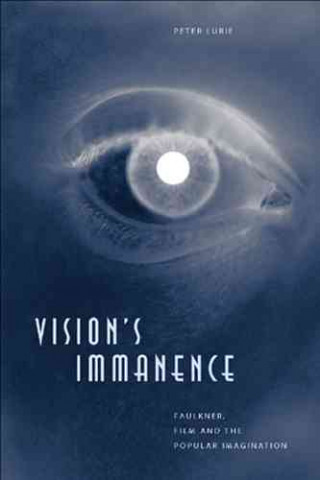
Vision's Immanence
Autor Peter Lurie
William Faulkner occupied a unique position as a modern writer. Although famous for his modernist novels and their notorious difficulty, he also wrote extensively for the "culture industry," and the works he produced for it-includ ... celý popis


- Jazyk:
 Angličtina
 - Vazba: Pevná
- Počet stran: 256
Nakladatelství: Johns Hopkins University Press, 2004
- Více informací o knize

1426 Kč
Dostupnost:
50 % šance Máme informaci, že by titul mohl být dostupný. Na základě vaší objednávky se ho pokusíme do 6 týdnů zajistit.
Prohledáme celý svět
Mohlo by se vám také líbit
-

Noragami: Stray God 1
213 Kč -
Universe From Nothing
219 Kč -

Gruffalo in Scots
183 Kč -

The Power and the Money: The Epic Clashes Between American Titans of Industry and Commanders in Chief
536 Kč -

First Kingdom Vol. 6: Destiny
418 Kč -

Milena Jesenska
410 Kč -

Sovereignty of Good
3208 Kč -

Читательский дневник. Гравити Фолз (твердый переплет, с наклейками)
298 Kč -

Employment and Development under Globalization
1350 Kč -

I Am a Super Girl!: An Acorn Book (Princess Truly #1): Volume 1
601 Kč -

De republica, vita, moribus, gestis, fama, religione, sanctitate: Imperatoris, Caesaris, Augusti, Quinti, Caroli, Maximi, Monarchae, libri septem
1435 Kč -

Mechanical Behaviour of Materials
2357 Kč -

Environmental Issues and Waste Management Technologies in the Ceramic and Nuclear Industries IX - Ceramic Transactions V155
3167 Kč -

ISO 9001, Manual e interpretación práctica
1419 Kč
Darujte tuto knihu ještě dnes
- Objednejte knihu a zvolte Zaslat jako dárek.
- Obratem obdržíte darovací poukaz na knihu, který můžete ihned předat obdarovanému.
- Knihu zašleme na adresu obdarovaného, o nic se nestaráte.
Informovat o naskladnění knihy
Zadejte do formuláře e-mailovou adresu a jakmile knihu naskladníme, zašleme vám o tom zprávu. Pohlídáme vše za vás.
Více informací o knize Vision's Immanence
Nákupem získáte 143 bodů
 Anotace knihy
William Faulkner occupied a unique position as a modern writer. Although famous for his modernist novels and their notorious difficulty, he also wrote extensively for the "culture industry," and the works he produced for it-including short stories, adaptations, and screenplays-bore many of the hallmarks of consumer art. His experiences as a Hollywood screenwriter influenced him in a number of ways, many of them negative, while the films turned out by the "dream factories" in which he labored sporadically inspired both his interest and his contempt. Faulkner also disparaged the popular magazines-though he frequently sold short stories to them. To what extent was Faulkner's deeply ambivalent relationship to-and involvement with-American popular culture reflected in his modernist or "art" fiction? Peter Lurie finds convincing evidence that Faulkner was keenly aware of commercial culture and adapted its formulae, strategies, and in particular, its visual techniques into the language of his novels of the 1930s. Lurie contends that Faulkner's modernism can be best understood in light of his reaction to the popular culture of his day. Using Theodor Adorno's theory about modern cultural production as a framework, Lurie's close readings of Sanctuary, Light in August, Absalom! Absalom!, and If I Forget Thee, Jerusalem uncover the cultural history that surrounded and influenced the development of Faulkner's art. Lurie is particularly interested in the influence of cinema on Faulkner's fiction and especially the visual strategies he both deployed and critiqued. These include the suggestion of cinematic viewing on the part of readers and of characters in each of the novels; the collective and individual acts of voyeurism in Sanctuary and Light in August; the exposing in Absalom! Absalom! and Light in Augustof stereotypical and cinematic patterns of thought about history and race; and the evocation of popular forms like melodrama and the movie screen in If I Forget Thee, Jerusalem. Offering innovative readings of these canonical works, this study sheds new light on Faulkner's uniquely American modernism.
Parametry knihy
Zařazení knihy Knihy v angličtině Literature & literary studies Literature: history & criticism Literary studies: general
1426 Kč
- Plný název: Vision's Immanence
- Autor: Peter Lurie
- Jazyk: Angličtina
- Vazba: Pevná
- Počet stran: 256
- EAN: 9780801879296
- ID: 04709449
- Nakladatelství: Johns Hopkins University Press
- Hmotnost: 476 g
- Rozměry: 229 × 152 × 20 mm
- Datum vydání: 26. September 2004
Oblíbené z jiného soudku
-
How to Read a Book
248 Kč -

The Karamazov Brothers
236 Kč -

The Picture of Dorian Gray
147 Kč -

Moveable Feast
194 Kč -

SEOUL University Korean 1B Workbook (QR), m. 1 Audio
753 Kč -

Saga of Tanya the Evil, Vol. 3
242 Kč -
If Not, Winter: Fragments Of Sappho
380 Kč -
Odyssey
225 Kč -

SEOUL University Korean 1B Student's Book (QR), m. 1 Audio
1107 Kč -

Macbeth
269 Kč -

Memoirs of a Dutiful Daughter
292 Kč -

Devils
209 Kč -
Birth of Tragedy
226 Kč -

Mysteries of Udolpho
253 Kč -
Iliad
257 Kč -

Essential Writings of Ralph Waldo Emerson
412 Kč -

Two Treatises of Government
178 Kč -

Serpent Power
692 Kč -

Walden
209 Kč -
Complete Poems of Philip Larkin
554 Kč -
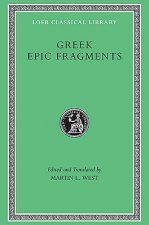
Greek Epic Fragments
819 Kč -

Girl with the Golden Eyes and Other Stories
225 Kč -
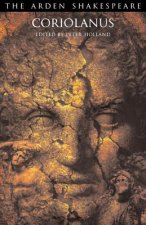
Coriolanus
289 Kč -

Parzival and Titurel
256 Kč -
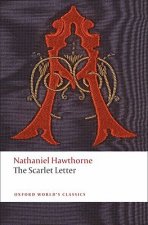
Scarlet Letter
132 Kč -
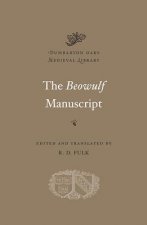
Beowulf Manuscript
836 Kč -
How to Read Literature
339 Kč -

Collected Tales and Poems of Edgar Allan Poe
443 Kč -

Obsolete Objects in the Literary Imagination
2121 Kč -
Writing of the Disaster
721 Kč -

Miserable Miracle
334 Kč -
Cambridge Companion to Irish Modernism
835 Kč -

Scraps Of The Untainted Sky
1956 Kč -

Collected Poems: Dylan Thomas
248 Kč -

How to Read a Poem
687 Kč -

T. S. Eliot
315 Kč -
Bacchae and Other Plays
235 Kč -

Weird and the Eerie
205 Kč -

Count of Monte Cristo
240 Kč -

Zofloya or The Moor
236 Kč -
Dubliners
202 Kč -
Metamorphoses
162 Kč -
Edda
178 Kč -

The Iliad - Penguin Classics Deluxe Edition
375 Kč -

Simple Passion
169 Kč -
Plainwater
319 Kč -

Germinal
174 Kč -
Idiot
224 Kč -

Captain is Out to Lunch
334 Kč
Osobní odběr Praha, Brno a 46994 dalších
Copyright ©2008-26 nejlevnejsi-knihy.cz Všechna práva vyhrazenaSoukromíCookies

 Vrácení do měsíce
 571 999 099 (8-15.30h)