Kód: 04702268
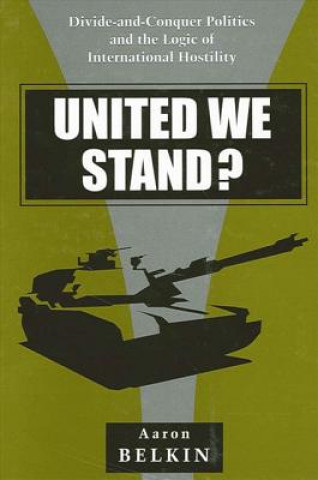
United We Stand?
Autor Aaron Belkin
It has long been assumed that leaders engage in international conflict to unify their followers--" what is often called the "rally' round the flag" hypothesis. Despite its intuitive appeal, however, this hypothesis does not always ... celý popis


- Jazyk:
 Angličtina
 - Vazba: Pevná
- Počet stran: 224
Nakladatelství: State University of New York Press, 2005
- Více informací o knize

2333 Kč
Dostupnost:
50 % šance Máme informaci, že by titul mohl být dostupný. Na základě vaší objednávky se ho pokusíme do 6 týdnů zajistit.
Prohledáme celý svět
Mohlo by se vám také líbit
-

Secret Series Complete Collection
801 Kč -

Suki's Kimono
180 Kč -

Francuski dla dzieci. Zdanie po zdaniu
267 Kč -

Practise and Pass Starters
665 Kč -

Sila radosti
128 Kč -

Don't Puck With My Heart
410 Kč -

Język R w data science. Importowanie, porządkowanie, przekształcanie, wizualizowanie i modelowanie danych
697 Kč -

Canal Tolls and American Shipping
538 Kč -

L'Espace céleste et la nature tropicale, description physique de l'univers. Préface de M. Babinet, dessins de Yan' Dargent.
1011 Kč -

Hygiene in Food Processing
5613 Kč -

Datrás de las cámaras : un manual para los profesionales de la televisión
825 Kč -

Mila's Reading Log
191 Kč -

Circe
299 Kč -

Afghanistan, Where God Only Comes To Weep
409 Kč -

Home Gardener's Herb Gardens
136 Kč -

Compensation
680 Kč -

Unleash Core Data
1108 Kč -

Zen: A Religion
489 Kč -

Gulf Between Us
702 Kč -

Winter World
163 Kč -

Tranquility
236 Kč -

A Handbook of Hindu Pantheism: The Panchadasi (1886)
1099 Kč -

Amulet
300 Kč -

Contemporary Authors
12844 Kč -

La Grande Arnaque de la Science: Collector Edition
245 Kč -

Colonisation Et Mode de Gouvernement En Algerie
311 Kč -

Manufacture Of Medical And Health Products By Transgenic Plants
3439 Kč -

Project X Code: Freeze Frozen with Fear
242 Kč
Darujte tuto knihu ještě dnes
- Objednejte knihu a zvolte Zaslat jako dárek.
- Obratem obdržíte darovací poukaz na knihu, který můžete ihned předat obdarovanému.
- Knihu zašleme na adresu obdarovaného, o nic se nestaráte.
Informovat o naskladnění knihy
Zadejte do formuláře e-mailovou adresu a jakmile knihu naskladníme, zašleme vám o tom zprávu. Pohlídáme vše za vás.
Více informací o knize United We Stand?
Nákupem získáte 233 bodů
 Anotace knihy
It has long been assumed that leaders engage in international conflict to unify their followers--" what is often called the "rally' round the flag" hypothesis. Despite its intuitive appeal, however, this hypothesis does not always provide a compelling explanation of the relationship between domestic politics and international conflict. In "United We Stand? Aaron Belkin shows that in one important realm, civil-military relations, leaders often prefer divisiveness over cohesion. When they feel domestically vulnerable, leaders use international conflict in order to create and exacerbate rivalries among their own military forces to lower the risk of a coup and to contribute to the consolidation and stability of the political order. Case studies include post-Soviet Georgia and Syria. "Belkin addresses an underexplained source of international conflict and does a persuasive job of turning widely accepted truisms on their heads. His basic argument is important, cleary presented, and well supported." --" Paul N. Stockton, coeditor of "Reconstituting America's Defense: The New U.S. National Security Strategy
Parametry knihy
Zařazení knihy Knihy v angličtině Society & social sciences Politics & government International relations
2333 Kč
- Plný název: United We Stand?
- Podnázev: Divide-and-conquer Politics and the Logic of International Hostility
- Autor: Aaron Belkin
- Jazyk: Angličtina
- Vazba: Pevná
- Počet stran: 224
- EAN: 9780791463437
- ID: 04702268
- Nakladatelství: State University of New York Press
- Hmotnost: 363 g
- Rozměry: 238 × 164 × 17 mm
- Datum vydání: 10. February 2005
Oblíbené z jiného soudku
-

Going to Tehran
536 Kč -

World Order
276 Kč -

Clash of Civilizations and the Remaking of World Order
325 Kč -

Political Order and Political Decay
325 Kč -

Tragedy of Great Power Politics
373 Kč -

Grand Chessboard
491 Kč -

The Spy and the Traitor
260 Kč -

Search for the "Manchurian Candidate"
329 Kč -

Countdown to Zero Day
335 Kč -

Creating Russophobia
615 Kč -

World Order
260 Kč -

Hundred-Year Marathon
334 Kč -

Diplomatic Protocol
735 Kč -

What Terrorists Want
437 Kč -

Grand Strategy of the Habsburg Empire
1044 Kč -

Diplomacy
505 Kč -

Structured Analytic Techniques for Intelligence Analysis
3827 Kč -

On Palestine
219 Kč -
How Spies Think
260 Kč -

Planetary Cycles Mundane Astrology
403 Kč -

Lords of the Desert
219 Kč -

Revenge of Geography
358 Kč -

PEACE TO END ALL PEACE
432 Kč -

Righteous Victims
428 Kč -

Legacy of Ashes
358 Kč -

Secret World
380 Kč -

Geopolitics: A Very Short Introduction
236 Kč -

Hell of Good Intentions
350 Kč -

Treacherous Alliance
444 Kč -

Evolution of Cooperation
400 Kč -

Future War and the Defence of Europe
839 Kč -

Naked Diplomat
292 Kč -

Dawn of Eurasia
292 Kč -

Man Without A Face
454 Kč -

My Silent War
267 Kč -

Future of Intelligence
515 Kč -

Last Soldiers of the Cold War
538 Kč -

Russophobia
3084 Kč -

Super Continent
841 Kč -

Deception
2828 Kč -

Target-Centric Network Modeling
2828 Kč -

Israel Lobby and US Foreign Policy
335 Kč -

OVERTHROW : AMERICA'S CENTURY OF REGIME
428 Kč -

Adults In The Room
285 Kč -

European Union: A Very Short Introduction
236 Kč -

Prisoners of Geography
529 Kč -

Cold War
407 Kč -

Face of Imperialism
1247 Kč -
Who Rules the World?
202 Kč
Osobní odběr Praha, Brno a 46994 dalších
Copyright ©2008-26 nejlevnejsi-knihy.cz Všechna práva vyhrazenaSoukromíCookies

 Vrácení do měsíce
 571 999 099 (8-15.30h)