Kód: 04634428
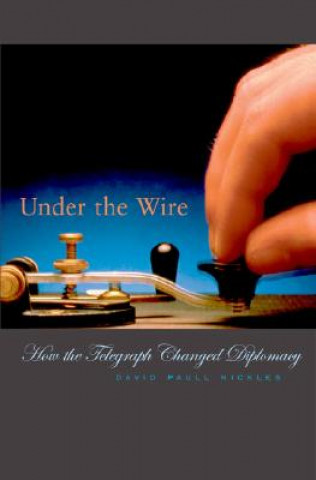
Under the Wire
Autor David Paull Nickles
How did the telegraph, a new and revolutionary form of communication, affect diplomats, who tended to resist change? In a study based on impressive multinational research, David Paull Nickles examines the critical impact of the te ... celý popis


- Jazyk:
 Angličtina
 - Vazba: Pevná
- Počet stran: 272
Nakladatelství: Harvard University Press, 2003
- Více informací o knize


Mohlo by se vám také líbit
-

Low-carb life - kompletní nízkosacharidová kuchařka
406 Kč -

Fell Sword
457 Kč -

Easystart: Maisie and the Dolphin
223 Kč -

Tenor Banjo Melody Chord Playing System
818 Kč -

Sonata No. 1: Flute and Piano
387 Kč -

Building Real-Time Analytics Systems: From Events to Insights with Apache Kafka and Apache Pinot
1124 Kč -

Sloník Abebe
273 Kč -

Лихо. Двенадцать железных цепей
486 Kč -

ONE & OTHER NUMBERS
462 Kč -

Acne Scars
6442 Kč -

240 Kreativ Bausteine Kreisel
367 Kč -

Misguided Morality
1162 Kč -

Kansei/Affective Engineering
2819 Kč -

Problem of Naturalism
2196 Kč -

Tomografia multislice com protocolo de baixa dose de radiaç?o
893 Kč -

RUSH
415 Kč -

Ugly Decade
403 Kč -

Massage and Aromatherapy
1182 Kč -

'Melusine' Und 'Fortunatus'
2732 Kč -

To Preserve and Protect: Policing Colonial Brisbane
521 Kč -

Cane Work: A Practical Textbook on Cane Basket Work
511 Kč -

Gedenkboek Van Stad En Lande (1792)
858 Kč -

Intermittent Fasting: Burn Fat, Lose Weight, Become Energetic and Happy - Use the Power of Your Body to Lose Weight and Increase Health
299 Kč -

Die Praxisphase im Medizinstudium
1214 Kč -

NMR Spectroscopy in the Undergraduate Curriculum
4961 Kč -

Every Person's Guide to Antioxidants
485 Kč -

Religion and Society in Nineteenth-Century Japan
1593 Kč -

Carnivals, Rogues, and Heroes
672 Kč
Darujte tuto knihu ještě dnes
- Objednejte knihu a zvolte Zaslat jako dárek.
- Obratem obdržíte darovací poukaz na knihu, který můžete ihned předat obdarovanému.
- Knihu zašleme na adresu obdarovaného, o nic se nestaráte.
Více informací o knize Under the Wire
Nákupem získáte 171 bodů
 Anotace knihy
How did the telegraph, a new and revolutionary form of communication, affect diplomats, who tended to resist change? In a study based on impressive multinational research, David Paull Nickles examines the critical impact of the telegraph on the diplomacy of the nineteenth and early twentieth centuries. Case studies in crisis diplomacy - the War of 1812, the Trent affair in the US Civil War, and the famous 1917 Zimmermann telegram - introduce wide-ranging thematic discussions on the autonomy of diplomats; the effects of increased speed on decision making and public opinion; the neglected role of clerks in diplomacy; and the issues of expense, garbled text, espionage and technophobia that initally made foreign ministries wary of telegraphy. Ultimately, the introductin of the telegraph contributed to the centralization of foreign ministries and the rising importance of signals intelligence. The faster pace of diplomatic disputes invited more emotional decisions by statesmen, while public opinion often exercised a belligerent influence on crises developing over a shorter period of time. "Under the Wire" offers a fascinating new perspective on the culture of diplomacy and the social history of technology.
Parametry knihy
Zařazení knihy Knihy v angličtině Society & social sciences Politics & government International relations
1714 Kč
- Plný název: Under the Wire
- Podnázev: How the Telegraph Changed Diplomacy
- Autor: David Paull Nickles
- Jazyk: Angličtina
- Vazba: Pevná
- Počet stran: 272
- EAN: 9780674010352
- ISBN: 0674010353
- ID: 04634428
- Nakladatelství: Harvard University Press
- Hmotnost: 531 g
- Rozměry: 235 × 156 × 24 mm
- Datum vydání: 30. November 2003
Oblíbené z jiného soudku
-

Clash of Civilizations and the Remaking of World Order
325 Kč -

Structured Analytic Techniques for Intelligence Analysis
3827 Kč -

Tragedy of Great Power Politics
373 Kč -
World Order
260 Kč -

Search for the "Manchurian Candidate"
329 Kč -

Legacy of Ashes
358 Kč -

Hundred-Year Marathon
334 Kč -

What Terrorists Want
437 Kč -

Russophobia
3084 Kč -

My Silent War
267 Kč -
Diplomacy
505 Kč -

World Order
276 Kč -
Going to Tehran
536 Kč -

On Palestine
219 Kč -

Grand Chessboard
491 Kč -

How Spies Think
260 Kč -

Planetary Cycles Mundane Astrology
403 Kč -

Countdown to Zero Day
335 Kč -

Lords of the Desert
219 Kč -

Revenge of Geography
358 Kč -

PEACE TO END ALL PEACE
432 Kč -

Righteous Victims
428 Kč -

Hell of Good Intentions
350 Kč -

Political Order and Political Decay
325 Kč -

Secret World
380 Kč -

Geopolitics: A Very Short Introduction
236 Kč -

Treacherous Alliance
444 Kč -

Evolution of Cooperation
390 Kč -

Future War and the Defence of Europe
839 Kč -

Naked Diplomat
292 Kč -

Dawn of Eurasia
292 Kč -

Man Without A Face
454 Kč -
Future of Intelligence
515 Kč -

Last Soldiers of the Cold War
538 Kč -

Super Continent
841 Kč -

Deception
2828 Kč -

Target-Centric Network Modeling
2828 Kč -

Israel Lobby and US Foreign Policy
335 Kč -

The Spy and the Traitor
260 Kč -

OVERTHROW : AMERICA'S CENTURY OF REGIME
428 Kč -

Adults In The Room
285 Kč -

European Union: A Very Short Introduction
236 Kč -

Prisoners of Geography
529 Kč -

Cold War
407 Kč -

Face of Imperialism
1247 Kč -
Who Rules the World?
202 Kč -
Craft of Intelligence
372 Kč -

Evolution of Co-Operation
314 Kč -
Future of Power
334 Kč
Osobní odběr Praha, Brno a 46757 dalších
Copyright ©2008-26 nejlevnejsi-knihy.cz Všechna práva vyhrazenaSoukromíCookies

 Vrácení do měsíce
 571 999 099 (8-15.30h)