
Kód: 23875362
Transportation
Autor Frederick Daniels
The nation''s air, land, and marine transportation systems are designed for accessibility and efficiency, two characteristics that make them vulnerable to attack. The focus of chapter 1 is how best to implement and finance a syste ... celý popis


- Jazyk:
 Angličtina
 - Vazba: Pevná
- Počet stran: 285
Nakladatelství: Nova Science Publishers Inc, 2022
- Více informací o knize

4959 Kč
Dostupnost:
50 % šance Máme informaci, že by titul mohl být dostupný. Na základě vaší objednávky se ho pokusíme do 6 týdnů zajistit.
Prohledáme celý svět
Mohlo by se vám také líbit
-

Naruto Box Set 2
3529 Kč -

Sonia Delaunay
525 Kč -

Le Colosse de Maroussi
317 Kč -

L'Accro du shopping ? la rescousse
294 Kč -
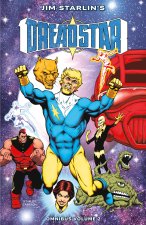
JIM STARLINS DREADSTAR OMNI V02
692 Kč -

Christ of the Prophets, The
618 Kč -

EVANGELION ANIMA IKUTO YAMASHITA ART BOOK (ARTBOOK VO JAPONAIS)
1613 Kč -

Night Train to Marrakech
525 Kč -
GENIAL B1.1 GUIA DOCENTE
837 Kč -
ICD10 & CPT/HCPCS Comprehensive Physician Medical Coding with Test Prep
754 Kč -

The Politics of Post-Conflict Heritage Reconstruction
3411 Kč -

Asi suenan los dinosaurios
565 Kč -

Notes Sommaires Sur Le Pourvoi de M. Le Procureur General Pres La Cour de Montpellier
284 Kč -

Mudshark
215 Kč -

Glaubenslehre
3187 Kč -

Not Today, Celeste!
491 Kč -

LEGUMES
181 Kč -

Astronomical Dialogues Between A Gentleman And A Lady: Wherein The Doctrine Of The Sphere, Uses The Globes, And The Elements Of Astronomy And Geograph
924 Kč -

STREICHQUARTETT G-DUR OP. 76 / 1 MUSIQUE D'ENSEMBLE
505 Kč -

Casina, Amphitryon, Captivi, Pseudolus
526 Kč -

¿Es posible hacer revivir al mamut?
58 Kč -
Charlie to the Rescue
509 Kč -

Numerical Structural Analysis
4707 Kč -
Elementos No Estructurales
237 Kč -

Merakli Gezginin Notlari
303 Kč -

Ibn Hazm Zahirilik Düsüncesinin Teorisyeni
303 Kč -

The Poetical Works of Hector MacNeill, Esq. Volume 1 of 2
404 Kč -

Fatores que afetam o consumo de cachaca
1135 Kč -
World of Wonders Reader # 21 What Can Go?
194 Kč -

Reptile Ear
7168 Kč -

Deutungen
144 Kč -

Finally Home
341 Kč -
Recharge Carrefour Romans 173vol été 1998
35317 Kč -

Les Secrets des Sprakkar
608 Kč -

New Scramble for Africa?
990 Kč
Darujte tuto knihu ještě dnes
- Objednejte knihu a zvolte Zaslat jako dárek.
- Obratem obdržíte darovací poukaz na knihu, který můžete ihned předat obdarovanému.
- Knihu zašleme na adresu obdarovaného, o nic se nestaráte.
Informovat o naskladnění knihy
Zadejte do formuláře e-mailovou adresu a jakmile knihu naskladníme, zašleme vám o tom zprávu. Pohlídáme vše za vás.
Více informací o knize Transportation
Nákupem získáte 496 bodů
 Anotace knihy
The nation''s air, land, and marine transportation systems are designed for accessibility and efficiency, two characteristics that make them vulnerable to attack. The focus of chapter 1 is how best to implement and finance a system of deterrence, protection, and response that effectively reduces the possibility and consequences of terrorist attacks without unduly interfering with travel, commerce, and civil liberties. Almost every conversation about surface transportation finance begins with a two-part question: What are the "needs" of the national transportation system, and how does the nation pay for them? Chapter 2 is aimed almost entirely at discussing the "how to pay for them" question. On 4 December 2015, President Barack Obama signed the Fixing America''s Surface Transportation Act (FAST Act; P.L. 114-94). As reported in chapter 3, the act authorised spending on federal highway and public transportation programs, surface transportation safety and research activities, and rail programs for five years to 30 September 2020. Despite significant investments in public transportation at the federal, state, and local levels, transit ridership has fallen in many of the top 50 transit markets. If strong gains in the New York area are excluded, ridership nationally declined by 7% over the past decade. Chapter 4 examines the implications for federal transit policy of the current weakness and possible future changes in transit ridership. Congress created the Railroad Rehabilitation and Improvement Financing (RRIF) program to offer long-term, low-cost loans to railroad operators, with particular attention to small freight railroads, to help them finance improvements to infrastructure and investments in equipment. This program is discussed in chapter 5. The Department of Transportation''s (DOT) Federal Railroad Administration (FRA) and Federal Transit Administration (FTA) carry out different approaches to rail safety oversight. FRA has a more centralised safety oversight program for railroads, while FTA''s program for oversight of rail transit safety largely relies on state safety agencies to monitor and enforce rail transit safety, as established in federal statute. Chapter 6 examines (1) key characteristics of FRA''s and FTA''s rail safety oversight programs and (2) strengths and limitations of FRA''s and FTA''s rail safety oversight programs. Research sponsored by the Federal Railroad Administration (FRA) has identified driver behaviour as the main cause of highway-rail grade crossing crashes and that factors such as train and traffic volume can contribute to the risk of a crash. Chapter 7 examines: (1) the focus of FRA''s grade-crossing-safety research, (2) how states select and implement grade-crossing projects and what data are available from FRA to inform their decisions, and (3) the challenges states reported in implementing and assessing projects and the extent to which FHWA assesses the program''s effectiveness.
Parametry knihy
Zařazení knihy Knihy v angličtině Law Laws of Specific jurisdictions Environment, transport & planning law
4959 Kč
- Plný název: Transportation
- Autor: Frederick Daniels
- Jazyk: Angličtina
- Vazba: Pevná
- Počet stran: 285
- EAN: 9781536156515
- ISBN: 1536156515
- ID: 23875362
- Nakladatelství: Nova Science Publishers Inc
- Hmotnost: 518 g
- Datum vydání: 01. October 2022
Oblíbené z jiného soudku
-

Scientific Foundations of Zoos and Aquariums
1426 Kč -

Climate Casino
350 Kč -

European Environmental Law
1446 Kč -

Environmental Principles and the Evolution of Environmental Law
1190 Kč -

Eradicating Ecocide
489 Kč -
Energy Transitions in Central and Eastern Europe
3032 Kč -

Growth Spiral
1182 Kč -

Birnie, Boyle, and Redgwell's International Law and the Environment
1822 Kč -

Wildlife Crime: From Theory to Practice
858 Kč -
Environmental Remediation Technologies for Metal-Contaminated Soils
2084 Kč -

Practical Guide to Drone Law
1339 Kč -
Ecosystem Services - Concept, Methods and Case Studies
3681 Kč -

Wild Life
576 Kč -

Earth is Our Business
407 Kč -
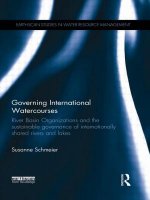
Governing International Watercourses
1907 Kč -

International Law of Underwater Cultural Heritage
2762 Kč -

Community Planning Handbook
1428 Kč -

Preussen
101 Kč -
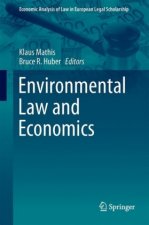
Environmental Law and Economics
4707 Kč -

Technology in Supply Chain Management and Logistics
3215 Kč -
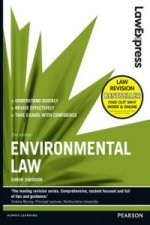
Law Express: Environmental Law
458 Kč -

In the Wilds of Climate Law
608 Kč -

Commercial Agents and the Law
12480 Kč -

Food and Nutrition Policy
2323 Kč -

Air Passenger Rights
1309 Kč -

European Model of Agriculture
3490 Kč -

European Environmental Law
2950 Kč -

Next Generation Water Governance
4383 Kč -

EU Environmental Law, Governance and Decision-Making
1190 Kč -
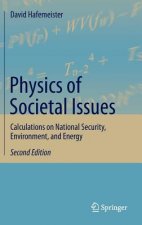
Physics of Societal Issues
1155 Kč -
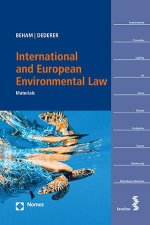
International and European Environmental Law
861 Kč -

IMDG-Code 2025, m. 1 Buch, m. 1 Online-Zugang
4299 Kč -
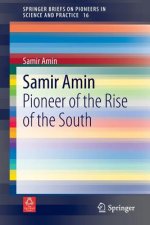
Samir Amin
1182 Kč -

Essential Concepts of Animals in Sustainability
1333 Kč -

Handbook of Plant-Based Meat Analogs
6594 Kč -

Dangerous Goods
1833 Kč -

EU Waste Law
7220 Kč -

Air Passenger Rights
3084 Kč -
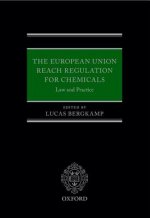
European Union REACH Regulation for Chemicals
8720 Kč -

Ethics, Law and Society
1866 Kč -
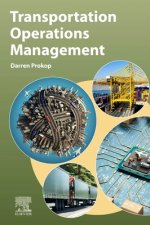
Transportation Operations Management
3317 Kč -

Moving Ahead with ISO 14000 - Improving Environmental Management & Advancing Sustainable Development
3581 Kč -

Measurement of Building Services
2345 Kč -
How to Deal with Climate Change?
2357 Kč -

Legal Issues for Implementing the Clean Development Mechanism in China
2357 Kč -

Guide to EU Environmental Law
825 Kč -

Human Right to Water
3297 Kč -
Multiple Stressors: A Challenge for the Future
2646 Kč -

Guide to EU Environmental Law
2530 Kč
Osobní odběr Praha, Brno a 46994 dalších
Copyright ©2008-26 nejlevnejsi-knihy.cz Všechna práva vyhrazenaSoukromíCookies

 Vrácení do měsíce
 571 999 099 (8-15.30h)