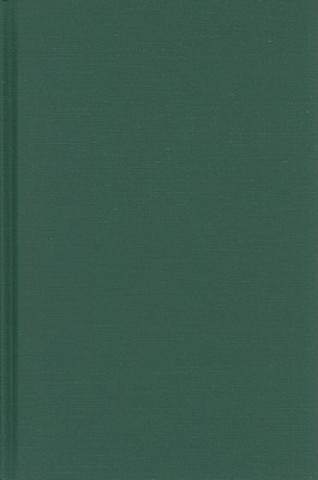
Kód: 04938967
Translating Time
Autor Bliss Cua Lim
Under modernity, time is regarded as linear and measurable by clocks and calendars. Despite the historicity of clock-time itself, the modern concept of time is considered universal and culturally neutral. What Walter Benjamin call ... celý popis


- Jazyk:
 Angličtina
 - Vazba: Pevná
- Počet stran: 360
Nakladatelství: Duke University Press, 2009
- Více informací o knize

2866 Kč
Dostupnost:
50 % šance Máme informaci, že by titul mohl být dostupný. Na základě vaší objednávky se ho pokusíme do 6 týdnů zajistit.
Prohledáme celý svět
Mohlo by se vám také líbit
-
Journey of Souls
361 Kč -

Lout of Count's Family (Novel) Vol. 8
317 Kč -

A Year of Sewing with Nani Iro: 18 Patterns to Make & Wear Throughout the Seasons
443 Kč -

Star Trek: Discovery Omnibus
442 Kč -
Lutheran Questions, Lutheran Answers
372 Kč -

Never Greater Slaughter
269 Kč -
Parallel Text: French Short Stories
232 Kč -

Billion Dollar Whale
454 Kč -

Hummingbird Handbook: Everything You Need to Know about These Fascinating Birds
412 Kč -
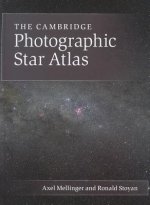
Cambridge Photographic Star Atlas
1448 Kč -
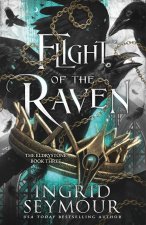
Flight of the Raven
296 Kč -

Nomad Poetics
372 Kč -
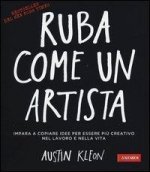
Ruba come un artista
283 Kč -

Research in Outdoor Education
1716 Kč -

100+ Knock Knock Jokes: Funny Knock Knock Jokes for Kids
196 Kč -

Sissy Feminization - From Alpha Male to Feminized Sissy - 5 Book Bundle - Volume 17 Short Stories of Forced Feminization, Crossdressing and Sissifica
686 Kč -

Rund um ... - Sekundarstufe I
649 Kč -

Historias y personajes : un recorrido por la Biblia
355 Kč -

Olympic Games
280 Kč -

Children's Environmental Rights Under International and Eu Law: The Changing Face of Fundamental Rights in Pursuit of Ecocentrism
3297 Kč -
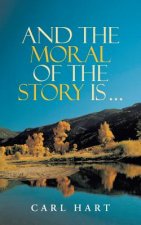
And the Moral of the Story Is ...
286 Kč -
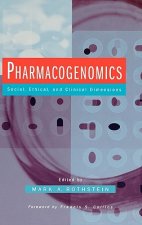
Pharmacogenomics - Social, Ethical and Clinical Dimensions
2950 Kč -

Another 2 Downunder
1218 Kč -

JUGENDLICHER, PILOT ODER PASSAGIER VON SEINEM ZIEL
813 Kč -
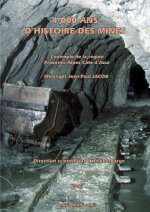
4000 ans d'Histoire des Mines. L'exemple de la région PACA
659 Kč -

They Stooped to Folly
853 Kč -

99 Dead Snowmen
271 Kč -

On Shaky Ground
328 Kč -

Understanding Strategic Interaction
2357 Kč -

Die Rolle des Islam im religiösen Pluralismus Indonesiens
389 Kč -
Revue Mabillon, archives de la France monastique
697 Kč -

FRONTERA INFINITA NUM. 3 DE 3
328 Kč -
Dielectric Phenomena In High Voltage Engineering
960 Kč -

Honeysuckle Dreams A Novel
362 Kč -
Acts of Naming
3397 Kč -

Novel Iron Chelators as Anti-tumour Agents
1449 Kč -

A BIM Approach to Evidence-Based Courtroom Design
1932 Kč -

Mein magisches Freundebuch
268 Kč -

Never Die On A Cold Night II: Revelations
372 Kč -

Infrastructures of Consumption
2027 Kč -

Little Hodge (1873)
598 Kč -

Un vecino poco amistoso; Ojos de deseo; Ardiente persecución
237 Kč
Darujte tuto knihu ještě dnes
- Objednejte knihu a zvolte Zaslat jako dárek.
- Obratem obdržíte darovací poukaz na knihu, který můžete ihned předat obdarovanému.
- Knihu zašleme na adresu obdarovaného, o nic se nestaráte.
Informovat o naskladnění knihy
Zadejte do formuláře e-mailovou adresu a jakmile knihu naskladníme, zašleme vám o tom zprávu. Pohlídáme vše za vás.
Více informací o knize Translating Time
Nákupem získáte 287 bodů
 Anotace knihy
Under modernity, time is regarded as linear and measurable by clocks and calendars. Despite the historicity of clock-time itself, the modern concept of time is considered universal and culturally neutral. What Walter Benjamin called 'homogeneous, empty time' founds the modern notions of progress and a uniform global present in which the past and other forms of time consciousness are seen as superseded. In "Translating Time", Bliss Cua Lim argues that fantastic cinema depicts the coexistence of other modes of being alongside and within the modern present, disclosing multiple 'immiscible' temporalities that strain against homogeneous time. In this wide-ranging study - encompassing Asian American video (On Cannibalism), ghost films from the New Cinema movements of Hong Kong and the Philippines ("Rouge", "Itim", "Haplos"), Hollywood remakes of Asian horror films ("Ju-on", "The Grudge", "A Tale of Two Sisters") and a Filipino horror film cycle on monstrous viscera suckers ("Aswang") - Lim conceptualizes the fantastic as a form of temporal translation. The fantastic translates supernatural agency in modern secular terms, but also exposes an untranslatable remainder, undermining the fantasy of a singular national time and emphasizing shifting temporalities of transnational reception. Lim interweaves scholarship on visuality with postcolonial historiography. She draws on Henri Bergson's understanding of cinema as both implicated in homogeneous time and central to its critique, as well as on postcolonial thought linking the ideology of progress to imperialist expansion. At stake in this project are more ethical forms of understanding time that refuse to domesticate difference as anachronism. While supernaturalism is often disparaged as a vestige of primitive or superstitious thought, Lim suggests an alternative interpretation of the fantastic as a mode of resistance to the ascendancy of homogeneous time and a starting-point for more ethical temporal imaginings.
Parametry knihy
Zařazení knihy Knihy v angličtině The arts Film, TV & radio Films, cinema
2866 Kč
- Plný název: Translating Time
- Podnázev: Cinema, the Fantastic, and Temporal Critique
- Autor: Bliss Cua Lim
- Jazyk: Angličtina
- Vazba: Pevná
- Počet stran: 360
- EAN: 9780822344995
- ISBN: 0822344998
- ID: 04938967
- Nakladatelství: Duke University Press
- Hmotnost: 708 g
- Rozměry: 233 × 198 × 29 mm
- Datum vydání: 21. September 2009
Oblíbené z jiného soudku
-
Hollywood Babylon
185 Kč -

Spiderman Into the Spider-Verse
736 Kč -

The Illusion of Life : Disney Animation
1077 Kč -
Movie Art of Syd Mead: Visual Futurist
800 Kč -

Sculpting in Time
762 Kč -
Story
641 Kč -

Into The Woods
291 Kč -

Animator's Survival Kit
882 Kč -

Horror Cinema
474 Kč -
Secrets of Tenet: Inside Christopher Nolan's Quantum Cold War
1042 Kč -

Wes Anderson Collection
956 Kč -

Jurassic Park
1168 Kč -
Interstellar
458 Kč -

Jurassic World: The Ultimate Visual History
1290 Kč -
Vision
707 Kč -

Black Holes: The Reith Lectures
194 Kč -
Hitchcock
522 Kč -

Sofia Coppola
396 Kč -

Art of Star Wars: The Last Jedi
748 Kč -
Great Movies
401 Kč -

Mamma MIA! - noty
558 Kč -

Film Form
350 Kč -
Art of The Adventures of Tintin
651 Kč -

Cinema of Aki Kaurismaki
690 Kč -
Evil Dead
433 Kč -

Adventure Time - The Enchiridion & Marcy's Super Secret Scrapbook
479 Kč -

Picture Theory
938 Kč -

Lighting for Cinematography
792 Kč -

Star Trek: Light-Up Starship Enterprise
293 Kč -

The Animator's Survival Kit
594 Kč -

Stranger Things: The Ultimate Pop-Up Book
1316 Kč -

Art of How to Train Your Dragon 2
687 Kč -

Alien: The Blueprints
629 Kč -
Donnie Darko Book
319 Kč -

Alien: The Archive - The Ultimate Guide to the Classic Movies
833 Kč -

Starting Point: 1979-1996
334 Kč -

Lynch on Lynch
343 Kč -
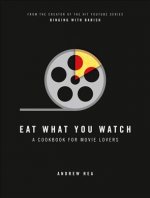
Eat What You Watch
358 Kč -

What Fresh Lunacy is This?
351 Kč -
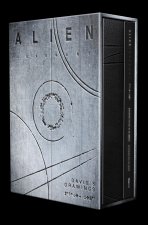
Alien Covenant: David's Drawings
790 Kč -

The Stanley Kubrick Archives
474 Kč -

Jonesy
254 Kč -

WKW: The Cinema of Wong Kar Wai
1045 Kč -

Fantastic Mr. Fox
677 Kč -

Art of The Secret World of Arrietty
568 Kč -

Star Wars - The Rebel Files
356 Kč -

Screenwriter's Workbook
348 Kč -

The Art of Tangled
664 Kč -

The Celestine Prophecy
270 Kč
Osobní odběr Praha, Brno a 47617 dalších
Copyright ©2008-26 nejlevnejsi-knihy.cz Všechna práva vyhrazenaSoukromíCookies

 Vrácení do měsíce
 571 999 099 (8-15.30h)