Kód: 04532044
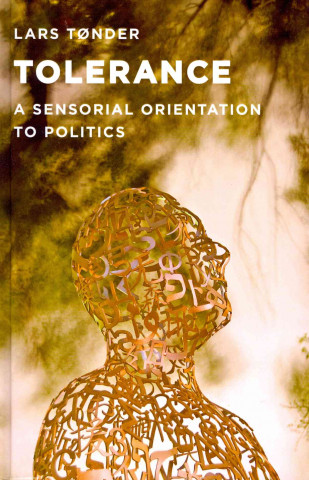
Tolerance
Autor Lars Tonder
The main task of Tolerance is to reorient discussions in democratic theory so as better to theorize how tolerance can operate as an active force in the context of deep pluralism. The objective is to develop a theory of active tole ... celý popis


- Jazyk:
 Angličtina
 - Vazba: Pevná
- Počet stran: 200
Nakladatelství: Oxford University Press Inc, 2013
- Více informací o knize


Mohlo by se vám také líbit
-

Alice's Adventures in Wonderland
293 Kč -

Quaternary Glaciers of Turkey
1198 Kč -

Dem Gespür auf der Spur
1284 Kč -

Upgrading the Space Shuttle
1214 Kč
Darujte tuto knihu ještě dnes
- Objednejte knihu a zvolte Zaslat jako dárek.
- Obratem obdržíte darovací poukaz na knihu, který můžete ihned předat obdarovanému.
- Knihu zašleme na adresu obdarovaného, o nic se nestaráte.
Více informací o knize Tolerance
Nákupem získáte 349 bodů
 Anotace knihy
The main task of Tolerance is to reorient discussions in democratic theory so as better to theorize how tolerance can operate as an active force in the context of deep pluralism. The objective is to develop a theory of active tolerance attentive to the many different ways in which societies can become tolerant, and to discuss what might get lost, conceptually as well as politically, if we don't pay attention to how active tolerance subsists within other practices of tolerance. Tolerance exceeds existing accounts, I argue, not because it cannot be domesticated for the purposes of either restraint or benevolence, but because this domestication does not preclude the possibility of another, more active tolerance. Tolerance develops this argument by mobilizing what I call a "sensorial orientation to politics." While a sensorial orientation does not refute the role of reason in democratic politics, it differs from its intellectualist counterpart by arguing that practices of reason-giving include ways of sensing the world, insisting that reason is always-already sensorial. A sensorial orientation, in other words, focuses on the embodied conditions of reasoning, which it takes to be neither completely synergistic nor immediately present, but reliant on representations, images, and memories, which situate sensory input within historically defined regimes of discourse and sensation, and which assume that sentient beings experience the world through both thought and action, mind and body. Theorists discussed in the book include Seneca, Spinoza, Nietzsche, Marcuse, and Merleau-Ponty, together with Descartes, Locke, Kant, Mill, Rawls, Forst, Scanlon, Taylor, Brown, and Connolly. Tolerance draws on a critical consideration of these thinkers in order to shed new light on the role of tolerance in both contemporary democratic theory and contemporary public discourse. The aim is to show how tolerance once again can become a practice of empowerment and pluralization.
Parametry knihy
Zařazení knihy Knihy v angličtině Humanities Philosophy Ethics & moral philosophy
3490 Kč
- Plný název: Tolerance
- Podnázev: A Sensorial Orientation to Politics
- Autor: Lars Tonder
- Jazyk: Angličtina
- Vazba: Pevná
- Počet stran: 200
- EAN: 9780199315802
- ISBN: 0199315809
- ID: 04532044
- Nakladatelství: Oxford University Press Inc
- Hmotnost: 496 g
- Rozměry: 239 × 162 × 17 mm
- Datum vydání: 17. October 2013
Oblíbené z jiného soudku
-

Justice
248 Kč -
Reasons and Persons
751 Kč -
Against Empathy
235 Kč -

Ethics and the Limits of Philosophy
582 Kč -

Civil Disobedience and Other Essays
91 Kč -

Ectogenesis. Artificial Womb Technology and the Future of Hu
1877 Kč -

Anger and Forgiveness
525 Kč -

Electric Animal
670 Kč -

Sharing Time
191 Kč -

Might is Right
261 Kč -
Skin in the Game
219 Kč -

Theory of Moral Sentiments
335 Kč -

What Money Can't Buy
251 Kč -

Beyond Good and Evil
250 Kč -

What We Owe to Each Other
860 Kč -
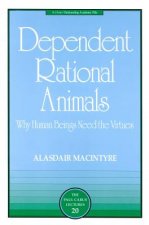
Dependent Rational Animals
417 Kč -

Better Never to Have Been
907 Kč -

After Virtue
574 Kč -

When Species Meet
412 Kč -

The Genealogy of Morals
132 Kč -

A Confession
183 Kč -

Notes on Suicide
285 Kč -

Justice for Hedgehogs
757 Kč -

Marriage and Morals
573 Kč -

Spy the Lie
341 Kč -

On the Genealogy of Morals and Ecce Homo
303 Kč -
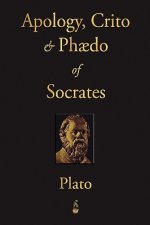
Apology, Crito and Phaedo of Socrates
227 Kč -

Philosophy of Freedom
309 Kč -

Formalism in Ethics and Non-Formal Ethics of Values
898 Kč -

The Ethics of Star Trek
355 Kč -

Moral Man and Immoral Society
558 Kč -
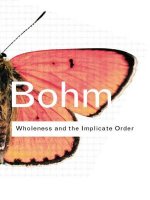
Wholeness and the Implicate Order
541 Kč -

Meditations
197 Kč -
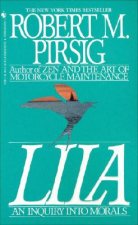
Lila
229 Kč -

Responsibility and Judgment
333 Kč -

Ethics
315 Kč -

Theory of Moral Sentiments
274 Kč -

Will to Power
228 Kč -

Most Good You Can Do
303 Kč -

Idea of Justice
317 Kč -
Born to Be Good
287 Kč -

Concept of Law
1595 Kč -

Training the Mind and Cultivating Loving-Kindness
309 Kč -

Pedagogy of Freedom
533 Kč -

Sickness Unto Death
223 Kč -
Philebus
294 Kč -

Niccolo Machiavelli
1397 Kč -

Art of Worldly Wisdom
207 Kč -
Just
773 Kč
Osobní odběr Praha, Brno a 46739 dalších
Copyright ©2008-26 nejlevnejsi-knihy.cz Všechna práva vyhrazenaSoukromíCookies

 Vrácení do měsíce
 571 999 099 (8-15.30h)