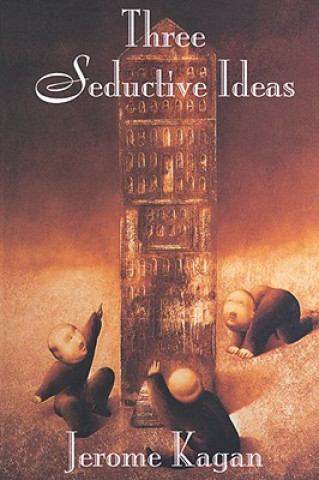
Kód: 04634160
Three Seductive Ideas
Autor Jerome Kagan
Do the first two years of life really determine a child's future development? Are human beings, like other primates, only motivated by pleasure? And do people actually have stable traits, like intelligence, fear, anxiety, and temp ... celý popis


- Jazyk:
 Angličtina
 - Vazba: Brožovaná
- Počet stran: 240
Nakladatelství: Harvard University Press, 2000
- Více informací o knize


Mohlo by se vám také líbit
-

Hobbit & The Lord of the Rings Boxed Set
2373 Kč -

Who Made Me a Princess Vol. 3
390 Kč -

Thorns & Fire: International sprayed edge edition
457 Kč -

24 dní do Vianoc
314 Kč -

Complete Swahili Beginner to Intermediate Course
898 Kč -
ABA Visualized Workbook
547 Kč -

Learn To Program With Minecraft
532 Kč -
Human Spark
957 Kč -

Incident at the Historical Museum
697 Kč -

Haibu Saves the Circus Animals
308 Kč -

Dac a végtelennel
117 Kč -

Tajwan. Herbatka na beczce prochu
306 Kč -

integrierter EU-Ansatz zur Stadterneuerung
997 Kč -

Web of Life
652 Kč -

Historia Doctrinae Catholicae Inter Armenos (1878)
1142 Kč -

SAMTLICHE WERKE (JSW) SERIE V BAND 3
7286 Kč -

Imperial India: Letters From the East
685 Kč -

Social Differentiation And Social Inequality
4835 Kč -

EGUISHEIM Circuit Découverte
444 Kč -

Hope in the Forest of Despair
1275 Kč -

Through the Eyes of Ghosts (Redux)
281 Kč
Darujte tuto knihu ještě dnes
- Objednejte knihu a zvolte Zaslat jako dárek.
- Obratem obdržíte darovací poukaz na knihu, který můžete ihned předat obdarovanému.
- Knihu zašleme na adresu obdarovaného, o nic se nestaráte.
Více informací o knize Three Seductive Ideas
Nákupem získáte 73 bodů
 Anotace knihy
Do the first two years of life really determine a child's future development? Are human beings, like other primates, only motivated by pleasure? And do people actually have stable traits, like intelligence, fear, anxiety, and temperament? This text takes on the assumptions behind these questions, in an attempt to prove them mistaken. Scientists, as well as lay people, tend to think of abstract processes - like intelligence or fear - as measurable entities, of which someone might have more or less. This approach, in Kagan's analysis, shows a blindness to the power of context and to the great variability within any individual, subject to different emotions and circumstances. "Infant determinism" is another widespread and dearly held conviction that Kagan contests. This theory - with its claim that early relationships determine lifelong patterns - underestimates human resiliency and adaptiveness, both emotional and cognitive (and fails to account for the happy products of miserable childhoods, and vice versa). The last of Kagan's targets is the pleasure principle, which, he argues, can hardly make sense of unselfish behaviour impelled by the desire for virtue and self-respect - the wish to do the right thing.
Parametry knihy
Zařazení knihy Knihy v angličtině Society & social sciences Psychology Psychological theory & schools of thought
729 Kč
- Plný název: Three Seductive Ideas
- Autor: Jerome Kagan
- Jazyk: Angličtina
- Vazba: Brožovaná
- Počet stran: 240
- EAN: 9780674001978
- ID: 04634160
- Nakladatelství: Harvard University Press
- Hmotnost: 380 g
- Rozměry: 233 × 166 × 13 mm
- Datum vydání: 03. April 2000
Oblíbené z jiného soudku
-
The Red Book – A Reader`s Edition
849 Kč -
Behave
276 Kč -
Synchronicity – An Acausal Connecting Principle
281 Kč -

Memories, Dreams, Reflections
292 Kč -
The Undiscovered Self
209 Kč -
Ego and Archetype
427 Kč -
Archetypes and the Collective Unconscious
1253 Kč -

Emotional Intelligence
224 Kč -

The Myth of Mental Illness
319 Kč -
Projection and Re-collection in Jungian Psychology
558 Kč -

People Of The Lie
248 Kč -

Why We Buy
334 Kč -

Psychoanalyst Meets Marina Abramovic
512 Kč -

Psychology of Love
381 Kč -
Aggression in Personality Disorders and Perversions
1025 Kč -
Love Relations
859 Kč -

Jung on Active Imagination
412 Kč -

Psychoanalytic Diagnosis
1178 Kč -

C.G.Jung and Hermann Hesse
365 Kč -
Study Guide to Accompany Garrett & Hough's Brain & Behavior: An Introduction to Behavioral Neuroscience
672 Kč -
Make It Stick
597 Kč -
The Interpretation of Dreams
157 Kč -

Red Book
4823 Kč -
Answer to Job
265 Kč -

The Sublime Object of Ideology
385 Kč -
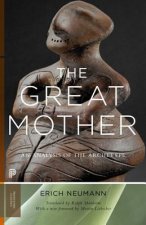
Great Mother
646 Kč -
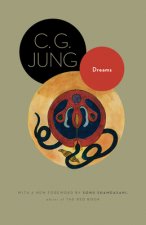
Dreams
302 Kč -

Civilization and Its Discontents
227 Kč -
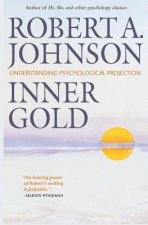
Inner Gold
444 Kč -
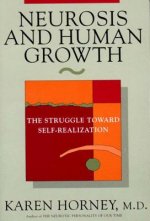
Neurosis and Human Growth
394 Kč -
The Empathy Game
419 Kč -

Ecrits
692 Kč -

How To Read Lacan
248 Kč -
A General Introduction to Psychoanalysis
157 Kč -
Ego and the Id
73 Kč -

Beyond the Pleasure Principle
292 Kč -
Dreams
401 Kč -
Anxiety - The Seminar of Jacques Lacan, Book X
420 Kč -
Seminar of Jacques Lacan
394 Kč -
Art and Artist
590 Kč -
Individuation in Fairy Tales
618 Kč -

Sybil
314 Kč -

Operationalized Psychodynamic Diagnosis OPD-3
1722 Kč -

Understanding Human Nature
312 Kč -
Integral Psychology
621 Kč -

Choice Factory
433 Kč -
Moonwalking with Einstein
244 Kč -

Meaning of Anxiety
364 Kč -
Collected Works of C.G. Jung
708 Kč
Osobní odběr Praha, Brno a 47531 dalších
Copyright ©2008-26 nejlevnejsi-knihy.cz Všechna práva vyhrazenaSoukromíCookies

 Vrácení do měsíce
 571 999 099 (8-15.30h)