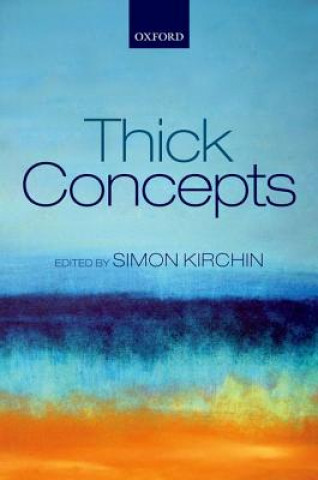
Kód: 02536811
Thick Concepts
Autor Simon Kirchin
What is the difference between judging someone to be good and judging them to be kind? Both judgements are typically positive, but the latter seems to offer more description of the person: we get a more specific sense of what they ... celý popis


- Jazyk:
 Angličtina
 - Vazba: Pevná
- Počet stran: 248
Nakladatelství: Oxford University Press, 2012
- Více informací o knize


Mohlo by se vám také líbit
-
Soccer IQ
264 Kč -

Petra: An Archaeological Guide
340 Kč -

Women, Work, and Health
1182 Kč -

No Quiero... Ir A Dormir
302 Kč -

Tips for Non Profits: a primer on communication, fundamental human needs and motivations
237 Kč -

Gräser und Grasland
622 Kč -
Travels in Canada and through the States of New York and Pennsylvania
550 Kč -

Fanny Hill: Die Memoiren eines Freudenmädchens
153 Kč -

American Dark Age – Racial Feudalism and the Rise of Black Liberalism
957 Kč -

IUTAM Symposium on Nonlinear Analysis of Fracture
1182 Kč -

Unsichtbare Loge
509 Kč -

Freedom and Terror in the Donbas
2460 Kč -

BibleAlive
458 Kč -

Saint Who Stole My Heart: Regency Rogues Book 4
312 Kč
Darujte tuto knihu ještě dnes
- Objednejte knihu a zvolte Zaslat jako dárek.
- Obratem obdržíte darovací poukaz na knihu, který můžete ihned předat obdarovanému.
- Knihu zašleme na adresu obdarovaného, o nic se nestaráte.
Více informací o knize Thick Concepts
Nákupem získáte 321 bodů
 Anotace knihy
What is the difference between judging someone to be good and judging them to be kind? Both judgements are typically positive, but the latter seems to offer more description of the person: we get a more specific sense of what they are like. Very general evaluative concepts (such as good, bad, right and wrong) are referred to as thin concepts, whilst more specific ones (including brave, rude, gracious, wicked, sympathetic, and mean) are termed thick concepts. In this volume, an international team of experts addresses the questions that this distinction opens up. How do the descriptive and evaluative functions or elements of thick concepts combine with each other? Are these functions or elements separable in the first place? Is there a sharp division between thin and thick concepts? Can we mark interesting further distinctions between how thick ethical concepts work and how other thick concepts work, such as those found in aesthetics and epistemology? How, if at all, are thick concepts related to reasons and action? These questions, and others, touch on some of the deepest philosophical issues about the evaluative and normative. They force us to think hard about the place of the evaluative in a (seemingly) nonevaluative world, and raise fascinating issues about how language works.
Parametry knihy
Zařazení knihy Knihy v angličtině Language linguistics Philosophy of language
3212 Kč
- Plný název: Thick Concepts
- Autor: Simon Kirchin
- Jazyk: Angličtina
- Vazba: Pevná
- Počet stran: 248
- EAN: 9780199672349
- ISBN: 0199672342
- ID: 02536811
- Nakladatelství: Oxford University Press
- Hmotnost: 538 g
- Rozměry: 240 × 161 × 19 mm
- Datum vydání: 06. August 2012
Oblíbené z jiného soudku
-
Trivium
468 Kč -

Construction of Social Reality
292 Kč -
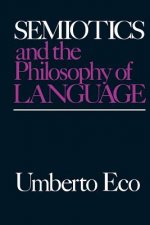
Semiotics and the Philosophy of Language
527 Kč -
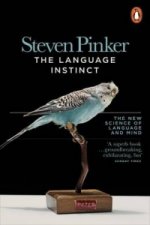
Language Instinct
336 Kč -

Rosicrucian Manual
302 Kč -
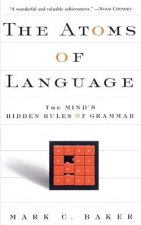
Atoms Of Language
319 Kč -

The Natural History of the Sign
392 Kč -
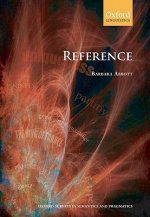
Reference
1349 Kč -

Documentality
1092 Kč -
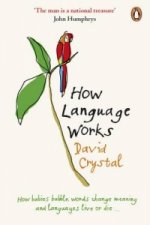
How Language Works
292 Kč -

Infancy and History
299 Kč -

Image Music Text
256 Kč -
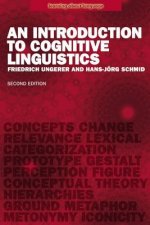
Introduction to Cognitive Linguistics
1685 Kč -
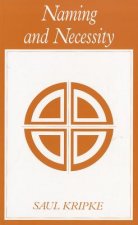
Naming and Necessity
638 Kč -
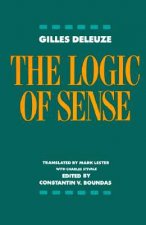
Logic of Sense
442 Kč -

Making It Explicit
1263 Kč -
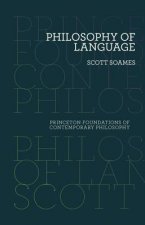
Philosophy of Language
608 Kč -
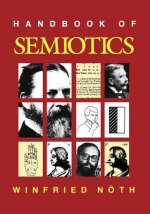
Handbook of Semiotics
1418 Kč -
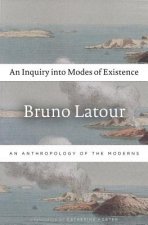
Inquiry into Modes of Existence
588 Kč -

Language Animal
754 Kč -
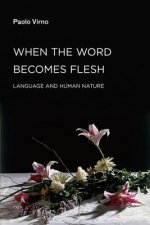
When the Word Becomes Flesh
312 Kč -

Critical Introduction to the Philosophy of Language
1362 Kč -
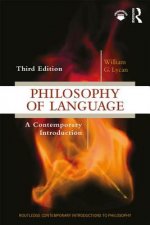
Philosophy of Language
1362 Kč -

Rhetoric of Motives
772 Kč -
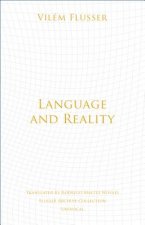
Language and Reality
443 Kč -
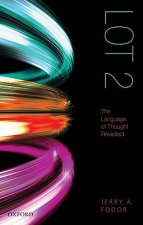
LOT 2
920 Kč -

Soul and Form
892 Kč -
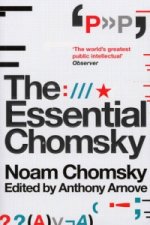
Essential Chomsky
445 Kč -

Making the Social World
315 Kč -
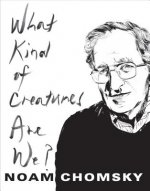
What Kind of Creatures Are We?
287 Kč -

Practice Makes Perfect English Articles and Determiners Up Close
275 Kč -
Practice Makes Perfect English Pronouns and Prepositions, Second Edition
333 Kč -
Philosophy of Language
1035 Kč -

More than Cool Reason
740 Kč -
Language Hoax
288 Kč -

Lectures on Rhetoric & Belles Lettres
318 Kč -
Authority of Law
1498 Kč -
Scandal of the Speaking Body
449 Kč -
Literary Mind
565 Kč -
Speaking from Elsewhere
909 Kč -

Practice Makes Perfect English Verb Tenses Up Close
410 Kč -

Latin
709 Kč -
Language, Proof, and Logic
2424 Kč -
Metaphor
907 Kč -

How to Do Things with Words
1324 Kč -
Signs
750 Kč -
Being Realistic about Reasons
705 Kč -

Introduction to the Philosophy of Language
1121 Kč -
Introduction to Substructural Logics
1379 Kč
Osobní odběr Praha, Brno a 47512 dalších
Copyright ©2008-26 nejlevnejsi-knihy.cz Všechna práva vyhrazenaSoukromíCookies

 Vrácení do měsíce
 571 999 099 (8-15.30h)