Kód: 44542015
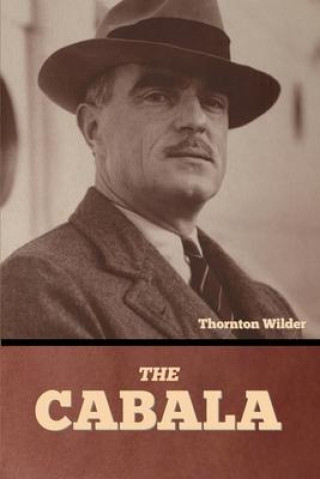
The Cabala
Autor Thornton Wilder
Ironic and self-ironic, unapologetically literary, urbane and heady. Reads, for the most part, like Woolf or Forster, occasionally reaching wry delights: "When the bourgeoisie discovered that she was accepting invitations there wa ... celý popis


- Jazyk:
 Angličtina
 - Vazba: Brožovaná
- Počet stran: 128
Nakladatelství: BIBLIOTECH PR, 2024
- Více informací o knize


Mohlo by se vám také líbit
-

Posvátné rebelky
342 Kč -
Legends of the Fall
227 Kč -

Co má vědět správný Čech
297 Kč -

Die großen Erzengel-Karten, m. Engelkarten
448 Kč
Darujte tuto knihu ještě dnes
- Objednejte knihu a zvolte Zaslat jako dárek.
- Obratem obdržíte darovací poukaz na knihu, který můžete ihned předat obdarovanému.
- Knihu zašleme na adresu obdarovaného, o nic se nestaráte.
Více informací o knize The Cabala
Nákupem získáte 36 bodů
 Anotace knihy
Ironic and self-ironic, unapologetically literary, urbane and heady. Reads, for the most part, like Woolf or Forster, occasionally reaching wry delights: "When the bourgeoisie discovered that she was accepting invitations there was a tumult as of many waters."
This is a book where you get the feeling that the trees, as it were, are more important than the forest. And then, after weaving this glittering verbal spell, the story pounces from behind it and flexes: does things that I not only haven't seen done but still can't imagine being done in serious literature.
This is absolutely a hidden gem of American lit.
I think you should read it and see what I mean. (J. Alfred)
Bio
Thornton Wilder, in full Thornton Niven Wilder, (born April 17, 1897, Madison, Wisconsin, U.S.-died December 7, 1975, Hamden, Connecticut), American writer whose innovative novels and plays reflect his views of the universal truths in human nature. He is probably best known for his plays.
After graduating from Yale University in 1920, Wilder studied archaeology in Rome. From 1930 to 1937 he taught dramatic literature and the classics at the University of Chicago.
His first novel, The Cabala (1926), set in 20th-century Rome, is essentially a fantasy about the death of the pagan gods. His most popular novel, The Bridge of San Luis Rey (1927; Pulitzer Prize), which was adapted for film and television, examines the lives of five people who died in the collapse of a bridge in 18th-century Peru. The Woman of Andros (1930) is an interpretation of Terence's Andria. Accused of being a "Greek" rather than an American writer, Wilder in Heaven's My Destination (1934) wrote about a quixotically good hero in a contemporary setting. His later novels are The Ides of March (1948), The Eighth Day (1967), and Theophilus North (1973).
Wilder's plays engage the audience in make-believe by having the actors address the spectators directly and by discarding props and scenery. The Stage Manager in Our Town (1938) talks to the audience, as do the characters in the farcical The Matchmaker (1954). Wilder won a Pulitzer Prize for Our Town, becoming the only person to receive the award in both the fiction and drama categories. The Matchmaker was made into a film in 1958 and adapted in 1964 into the immensely successful musical Hello, Dolly!, which was also made into a film.
Wilder's other plays include The Skin of Our Teeth (1942; Pulitzer Prize), which employs deliberate anachronisms and the use of the same characters in various geological and historical periods to show that human experience is much the same whatever the time or place. Posthumous publications include The Journals of Thornton Wilder, 1939-1961, edited by Donald Gallup, and Wilder's correspondence with Gertrude Stein, The Letters of Gertrude Stein and Thornton Wilder (1996), edited by Edward Burns and Ulla E. Dydo. (britannica)
Parametry knihy
Zařazení knihy Knihy v němčině Belletristik Erzählende Literatur Hauptwerk vor 1945
363 Kč
- Plný název: The Cabala
- Autor: Thornton Wilder
- Jazyk: Angličtina
- Vazba: Brožovaná
- Počet stran: 128
- EAN: 9798888307373
- ID: 44542015
- Nakladatelství: BIBLIOTECH PR
- Hmotnost: 163 g
- Rozměry: 229 × 152 × 8 mm
- Datum vydání: 03. January 2024
Oblíbené z jiného soudku
-

Heated Rivalry
227 Kč -

The Long Game
227 Kč -
King of Gluttony
229 Kč -

The Score (Collector's Edition)
498 Kč -

The Mistake (Collector's Edition)
501 Kč -

Insatiable
227 Kč -

The Deal (Collector's Edition)
522 Kč -

Little Stranger
324 Kč -
Onyx Storm (Deluxe Limited Edition) (The Empyrean, 3)
551 Kč -

Voracious
229 Kč -
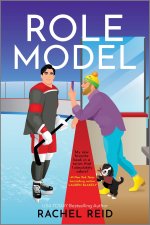
Role Model
227 Kč -

Grandmaster of Demonic Cultivation: Mo DAO Zu Shi (Deluxe Hardcover Novel) Vol. 5
472 Kč -

Game Changer
227 Kč -

For the Fans
334 Kč -
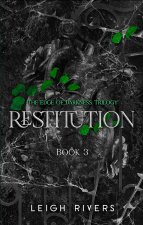
Restitution
227 Kč -

Common Goal
227 Kč -

Kiss the Villain
170 Kč -

Tough Guy
227 Kč -

Taiwan Travelogue
325 Kč -

The Daisy Chain Flower Shop
221 Kč -

Little Liar
368 Kč -

Goodbye, Eri
293 Kč -

The Legacy (Collector's Edition)
498 Kč -

The Goal (Collector's Edition)
498 Kč -

Dire Bound (Deluxe Limited Edition)
654 Kč -

Love Song
206 Kč -

Releasing 10
227 Kč -

In Her Own League
206 Kč -

Case File Compendium: Bing an Ben (Novel) Vol. 8
312 Kč -

The Scum Villain's Self-Saving System: Ren Zha Fanpai Zijiu Xitong (Deluxe Hardcover Novel) Box Set
1988 Kč -

Lights Out
227 Kč -

Time to Shine
221 Kč -

Ballad of Sword and Wine: Qiang Jin Jiu (Novel) Vol. 7
349 Kč -

Grandmaster of Demonic Cultivation: Mo DAO Zu Shi, Vol. 4
451 Kč -
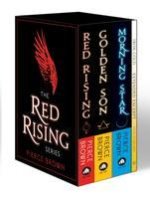
Red Rising 3-Book Box Set
898 Kč -

Tempting Venom (Deluxe Edition)
352 Kč -

Every Summer After
318 Kč -

Caught Up
227 Kč -
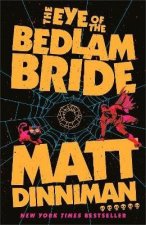
The Eye of the Bedlam Bride
457 Kč -
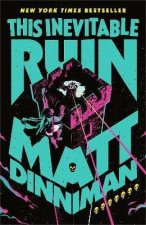
This Inevitable Ruin
457 Kč -
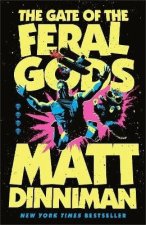
The Gate of the Feral Gods
430 Kč -

Caught Up
227 Kč -

Mile High
244 Kč -
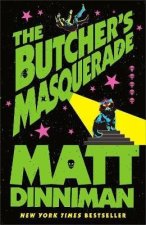
The Butcher's Masquerade
432 Kč -

The Score
545 Kč -

The Husky and His White Cat Shizun: Erha He Ta de Bai Mao Shizun (Novel) Vol. 11 (Special Edition)
473 Kč -
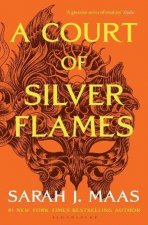
A court of silver flames
227 Kč -

Play Along
227 Kč -
My Friends
215 Kč
Osobní odběr Praha, Brno a 46611 dalších
Copyright ©2008-26 nejlevnejsi-knihy.cz Všechna práva vyhrazenaSoukromíCookies

 Vrácení do měsíce
 571 999 099 (8-15.30h)