Kód: 04546986
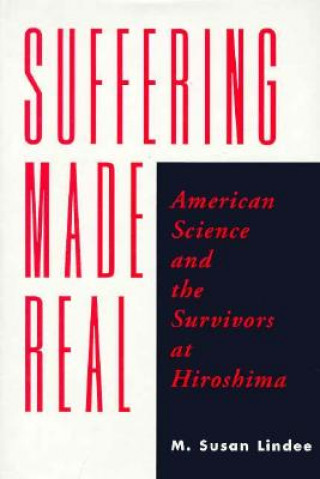
Suffering Made Real
Autor M. Susan Lindee
The atomic bombs dropped on Hiroshima and Nagasaki in August, 1945, unleashed a force as mysterious as it was deadly. In 1946, the Atomic Bomb Casualty Commission (ABCC), under the auspices of the Atomic Energy Commission (AEC), w ... celý popis


- Jazyk:
 Angličtina
 - Vazba: Pevná
- Počet stran: 298
Nakladatelství: University of Chicago Press, 1994
- Více informací o knize

2568 Kč
Dostupnost:
50 % šance Máme informaci, že by titul mohl být dostupný. Na základě vaší objednávky se ho pokusíme do 6 týdnů zajistit.
Prohledáme celý svět
Mohlo by se vám také líbit
-

Conquistadors of the Useless
468 Kč -

Der Steyr-Puch Haflinger des Österreichischen Bundesheeres
509 Kč -
Brrrm...Dopravní prostředky
71 Kč -
Adventures of Huckleberry Finn
265 Kč -
Arcana: The Indo-jazz Sessions
279 Kč -
Edvard Munch
501 Kč -
New Dictionary of French Idioms
528 Kč -
Engineering Production-Grade Shiny Apps
1907 Kč -

Le Corbusier
1135 Kč -

Tribus Du Sud-Ouest Marocain: Bassins Cotiers Entre Sous Et Draa (Ed.1891)
311 Kč -
Die Mensch-Erklärungsformel / Die Mensch-Erklärungsformel (Teil 6)
337 Kč -

Modernist Song
3335 Kč -

Music Express Yr 1 Replacement CD1
389 Kč -

The Witch's Cat
142 Kč -
Eagle and the Chicken Family
248 Kč -
Patrick Geddes et le Collège des Écossais. La colline et le monde
715 Kč -

Studying and Learning at University
557 Kč -
L'ENIGME DES VACANCES DE LA 6E A LA 5E - LE SECRET DU TITANIC
240 Kč -

Magical Snowman
267 Kč -

Vengeance Is Mine!
341 Kč -

Implementing Amsterdam
4563 Kč -

On Lord Nelson's Victory Over the French Fleet at Abouquir. an Idyl. by P. P. D. D. Pp. XII.
271 Kč -
Enhancing Student Engagement On Campus
1354 Kč -
Crisis in the Curriculum
3460 Kč -

Ten Tiny Tadpoles
196 Kč -

Scramble
833 Kč -

House of Libra
362 Kč -

Strangers to the Blood
299 Kč
Darujte tuto knihu ještě dnes
- Objednejte knihu a zvolte Zaslat jako dárek.
- Obratem obdržíte darovací poukaz na knihu, který můžete ihned předat obdarovanému.
- Knihu zašleme na adresu obdarovaného, o nic se nestaráte.
Informovat o naskladnění knihy
Zadejte do formuláře e-mailovou adresu a jakmile knihu naskladníme, zašleme vám o tom zprávu. Pohlídáme vše za vás.
Více informací o knize Suffering Made Real
Nákupem získáte 257 bodů
 Anotace knihy
The atomic bombs dropped on Hiroshima and Nagasaki in August, 1945, unleashed a force as mysterious as it was deadly. In 1946, the Atomic Bomb Casualty Commission (ABCC), under the auspices of the Atomic Energy Commission (AEC), was formed as a permanent American agency in Japan with the official mission of studying the medical effects of radiation on the survivors. The next ten years saw the ABCC's most intensive research on the genetic effects of radiation, and up until 1974 the ABCC scientists published papers on the effects of radiation on ageing, life span, fertility and disease. This text provides a comprehensive history of the ABCC's research on how radiation affected the survivors of the atomic bomb. Arguing that Cold War politics and cultural values fundamentally shaped the work of the ABCC, it describes how the project raised disturbing questions about the ethical implications of using human subjects in scientific research. How did the politics of the emerging Cold War affect the scientists' biomedical research and findings? How did the ABCC document and publicly present the effects of radiation? Why did the ABCC refuse to provide medical treatment to the survivors? Through a detailed examination of ABCC policies, archival materials, the minutes of committee meetings, newspaper accounts and interviews with ABCC scientists, Lindee explores how political and cultural interests were reflected in the day-to-day operations of the research programme.
Parametry knihy
Zařazení knihy Knihy v angličtině Humanities History Regional & national history
2568 Kč
- Plný název: Suffering Made Real
- Podnázev: American Science and the Survivors at Hiroshima
- Autor: M. Susan Lindee
- Jazyk: Angličtina
- Vazba: Pevná
- Počet stran: 298
- EAN: 9780226482378
- ID: 04546986
- Nakladatelství: University of Chicago Press
- Hmotnost: 622 g
- Rozměry: 235 × 159 × 23 mm
- Datum vydání: 01. October 1994
Oblíbené z jiného soudku
-
Hundred Years' War on Palestine
260 Kč -

Europe's Tragedy
445 Kč -

Bury My Heart At Wounded Knee
276 Kč -
History of the Peloponnesian War
335 Kč -

Plantagenets
314 Kč -

Alexander the Great
379 Kč -
Viking Way
1008 Kč -
Religion and the Decline of Magic
445 Kč -

Line in the Sand
276 Kč -

Florence
1268 Kč -

U.S. Aviation and Naval Warfare in the Vietnam War
620 Kč -
Rise and Fall of the House of Medici
335 Kč -
Arab of the Future
445 Kč -

Empire of Liberty
490 Kč -

In The Garden of Beasts
276 Kč -

Where I Was From
248 Kč -

Ethnic Cleansing of Palestine
276 Kč -
Benjamin Franklin
335 Kč -

To Hell and Back
319 Kč -
Campaigns of Alexander
303 Kč -
Spanish Civil War
489 Kč -

Mao: The Unknown Story
358 Kč -

Brothers
350 Kč -

Imprudent King
585 Kč -
Lemon Tree
260 Kč -

Jewellery in the Age of Queen Victoria
1610 Kč -

Time Traveller's Guide to Medieval England
291 Kč -
Cuneiform
291 Kč -

History of the Arab Peoples
317 Kč -
Struggle Against the State and Other Essays
257 Kč -

Eleanor Of Aquitaine
291 Kč -

American Colonies
365 Kč -

Coming of the Third Reich
423 Kč -
Socialism Betrayed
380 Kč -

Last Stand of the Tin Can Soldiers
428 Kč -

Invention of the Land of Israel
624 Kč -
Concise History of Romania
521 Kč -

World War II Infantry Tactics
371 Kč -

Happy Times in Norway
313 Kč -
Muqaddimah
310 Kč -

Middle East
348 Kč -

Fokker D VII Aces of World War I
437 Kč -
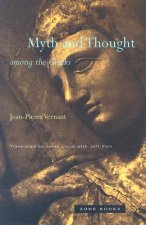
Myth and Thought among the Greeks
583 Kč -
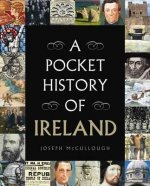
Pocket History of Ireland
178 Kč -

Margaret of York
315 Kč -

Mary Tudor
455 Kč -
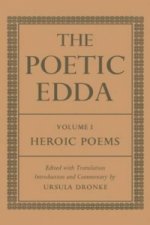
Poetic Edda: Volume 1: Heroic Poems
2721 Kč -
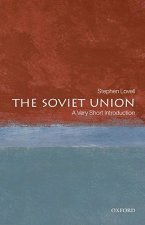
Soviet Union: A Very Short Introduction
225 Kč -

Sodomy and the Pirate Tradition
900 Kč
Osobní odběr Praha, Brno a 47518 dalších
Copyright ©2008-26 nejlevnejsi-knihy.cz Všechna práva vyhrazenaSoukromíCookies

 Vrácení do měsíce
 571 999 099 (8-15.30h)