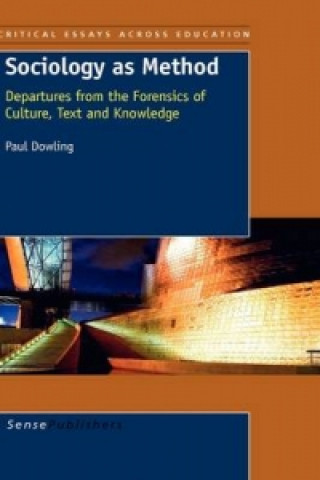
Kód: 09013873
Sociology as Method
Autor Dowling, Paul (University of London, UK)
Dowling is using the term, forensics, to refer to approaches to research that claim to uncover truths about the world that are somehow independent of the means of their uncovering. For some time, now, such approaches have been wid ... celý popis


- Jazyk:
 Angličtina
 - Vazba: Brožovaná
- Počet stran: 316
Nakladatelství: Brill - Sense, 2009
- Více informací o knize

1545 Kč
Dostupnost:
50 % šance Máme informaci, že by titul mohl být dostupný. Na základě vaší objednávky se ho pokusíme do 6 týdnů zajistit.
Prohledáme celý svět
Mohlo by se vám také líbit
-

I Wish I Was
177 Kč -

The History of Life and Death
1068 Kč -

Schluss mit Everybody's Darling!
611 Kč
Darujte tuto knihu ještě dnes
- Objednejte knihu a zvolte Zaslat jako dárek.
- Obratem obdržíte darovací poukaz na knihu, který můžete ihned předat obdarovanému.
- Knihu zašleme na adresu obdarovaného, o nic se nestaráte.
Informovat o naskladnění knihy
Zadejte do formuláře e-mailovou adresu a jakmile knihu naskladníme, zašleme vám o tom zprávu. Pohlídáme vše za vás.
Více informací o knize Sociology as Method
Nákupem získáte 155 bodů
 Anotace knihy
Dowling is using the term, forensics, to refer to approaches to research that claim to uncover truths about the world that are somehow independent of the means of their uncovering. For some time, now, such approaches have been widely regarded as naďve, but it is not clear that the implications of this recognition have always been adequately or appropriately taken into account. In attempting to do just that, Dowling presents a mature exposition of his organisational language, social activity method (SAM) in dialogue with a wide range of cultural settings, texts and technologies. SAM has been developed over a period of some twenty years via the transaction between a fundamental, theoretical principle and empirical data. This principle asserts that the sociocultural is to be understood in terms of strategic, autopoietic action directed at the formation, maintenance and destabilising of alliances and oppositions and the alliances and oppositions that are themselves emergent upon such action. This anti-forensic constructive description understands data texts, not as products of generative structures that lie behind them, but as instances of the organisational language, SAM, that will, ultimately, describe them and that is, in a sense, in front of them. Dowling describes himself as a theory engineer. The productivity of this work is in its potential to generate principled and articulated descriptions of empirical settings and texts, new ways of looking at them, not to direct, but to interrogate other practices relating to these settings and texts, to ask questions that would otherwise be left unasked. The origins of SAM lie in the analysis of mathematics education texts in the late 1980s and early 1990s and one of the chapters in this volume is again concerned with mathematics (and science) education in the first part of the twenty-first century. Other settings that come under scrutiny include classrooms, film, art, literature, knowledge in various domains, the internet, and so forth. The book also includes fundamental engagement with forensics, in particular, the work of and work inspired by Basil Bernstein. Paul Dowling is Professor of Education at the Institute of Education, University of London. Before joining the Institute in 1987, he had taught mathematics in secondary schools in and around London. His other publications include The Sociology of Mathematics Education: Mathematical Myths/Pedagogic Texts (1998, Falmer Press) and Doing Research/Reading Research: Re-interrogating education (with Andrew Brown, Routledge, 1998 and 2009). For more information, see homepage.mac.com/paulcdowling/ioe.
Parametry knihy
Zařazení knihy Knihy v angličtině Society & social sciences Education Philosophy & theory of education
1545 Kč
- Plný název: Sociology as Method
- Autor: Dowling, Paul (University of London, UK)
- Jazyk: Angličtina
- Vazba: Brožovaná
- Počet stran: 316
- EAN: 9789087908119
- ISBN: 9789087908119
- ID: 09013873
- Nakladatelství: Brill - Sense
- Hmotnost: 456 g
- Rozměry: 154 × 234 × 18 mm
- Datum vydání: 01. January 2009
Oblíbené z jiného soudku
-
Complexity and Education
1308 Kč -
Grammar of Fantasy
492 Kč -

Dumbing Us Down - 25th Anniversary Edition
359 Kč -
Language Teaching in Steiner-Waldorf Schools
243 Kč -
Research Methods in Education
1750 Kč -

Pedagogy of the Oppressed
731 Kč -

Leader in Me
336 Kč -

Great Tradition
734 Kč -

Art of Thought
1064 Kč -

Gift of Wonder
391 Kč -

Resisting Educational Inequality
1355 Kč -
Bringing Words to Life
1035 Kč -
Teaching To Transgress
932 Kč -

Weapons of Mass Instruction
365 Kč -
Critical Thinking
302 Kč -

On the Meaning of Life
334 Kč -

Art of Thought
754 Kč -
Unschooled Mind
536 Kč -
Education of the Child
316 Kč -
Experience And Education
256 Kč -
Education and the Social Order
573 Kč -

Place-Based Education
227 Kč -

Hidden Lives of Learners
651 Kč -
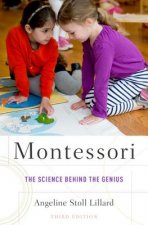
Montessori
784 Kč -
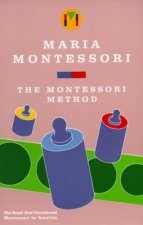
Montessori Method
308 Kč -

Understanding Waldorf Education
244 Kč -
Growth Mindset Coach
380 Kč -
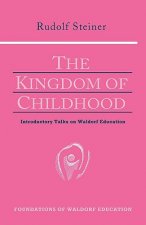
Kingdom of Childhood
386 Kč -
Seven Myths About Education
966 Kč -
![45 Tips, Tricks, and Secrets for the Successful International Baccalaureate [IB] Student](https://media.libris.to/jacket/16056511t.jpg "45 Tips, Tricks, and Secrets for the Successful International Baccalaureate [IB] Student")
45 Tips, Tricks, and Secrets for the Successful International Baccalaureate [IB] Student
651 Kč -

Instead of Education
401 Kč -

Methamphetamine The Drug Of Death
208 Kč -
Democracy and Education
420 Kč -

Work Hard. Be Nice
367 Kč -
Counter Wokecraft
322 Kč -
New Culture of Learning
204 Kč -
On Education
587 Kč -

Plough Quarterly No. 19 - School for Life
191 Kč -
Case against Education
789 Kč -
History and Philosophy of Art Education
1415 Kč -
What If Everything You Knew About Education Was Wrong?
795 Kč -

Earth in Mind
658 Kč -
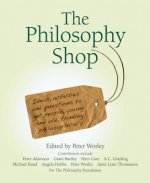
Philosophy Foundation
716 Kč -
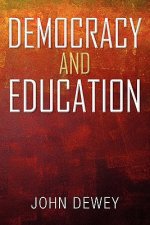
Democracy and Education
316 Kč -
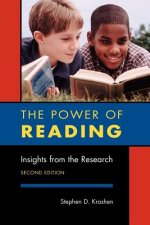
Power of Reading
865 Kč -
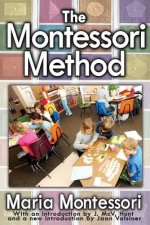
Montessori Method
1691 Kč -
Human Nature
287 Kč -

EU Law
1355 Kč -
Child's Changing Consciousness
482 Kč
Osobní odběr Praha, Brno a 46811 dalších
Copyright ©2008-26 nejlevnejsi-knihy.cz Všechna práva vyhrazenaSoukromíCookies

 Vrácení do měsíce
 571 999 099 (8-15.30h)