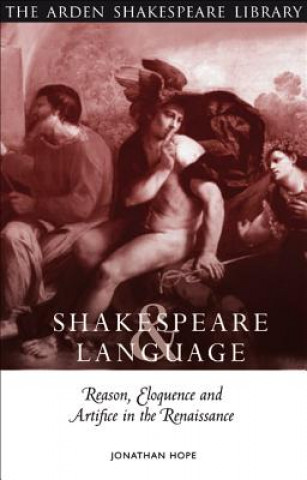
Kód: 04315586
Shakespeare and Language: Reason, Eloquence and Artifice in the Renaissance
Autor Jonathan Hope
'Much drink may be said to be an equivocator with lechery: it makes him, and it mars him; it sets him on, and it takes him off; it persuades him, and disheartens him; makes him stand to, and not stand to: in conclusion, equivocate ... celý popis


- Jazyk:
 Angličtina
 - Vazba: Pevná
- Počet stran: 272
Nakladatelství: Bloomsbury Publishing, 2010
- Více informací o knize


Mohlo by se vám také líbit
-

Don Quixote
276 Kč -

Rurouni Kenshin, Vol. 24
191 Kč -

C-47/R4D Units of the ETO and MTO
521 Kč -

Shape of Bones
601 Kč -

Batman: The Puppet Master's Revenge
487 Kč -

Introduction to Mathematica (R) for Physicists
1384 Kč -
Wuthering Heights
685 Kč -

Wicked Day!
152 Kč -

Barbers' Company. a Paper Read Before the British Arch Ological Association on October 15th, 1881. Second Edition.
354 Kč -

La caída de la casa Munroe
361 Kč -

An Oration, on the Apparent, and the Real Political Situation of the United States: Pronounced Before the Connecticut Society of Cincinnati, Assembled
287 Kč -

Breeze of Love and Life
303 Kč -

Transformative Concepts for Drug Design: Target Wrapping
3532 Kč -

Memoirs Of A Vagabond
206 Kč -

Killing Your Cancer without Killing Yourself
482 Kč -

homosexualismo politico
1949 Kč -

Texte rahmen
3641 Kč -

Phytohortology
8463 Kč -

Sexplosion
620 Kč -
Politics of Aristotle
348 Kč -

Policromía
542 Kč
Darujte tuto knihu ještě dnes
- Objednejte knihu a zvolte Zaslat jako dárek.
- Obratem obdržíte darovací poukaz na knihu, který můžete ihned předat obdarovanému.
- Knihu zašleme na adresu obdarovaného, o nic se nestaráte.
Více informací o knize Shakespeare and Language: Reason, Eloquence and Artifice in the Renaissance
Nákupem získáte 286 bodů
 Anotace knihy
'Much drink may be said to be an equivocator with lechery: it makes him, and it mars him; it sets him on, and it takes him off; it persuades him, and disheartens him; makes him stand to, and not stand to: in conclusion, equivocates him in a sleep, and, giving him the lie, leaves him.' Porter, Macbeth, II i. Why would Elizabethan audiences find Shakespeare's Porter in Macbeth so funny? And what exactly is meant by the name the 'Weird' Sisters? Jonathan Hope, in a comprehensive and fascinating study, looks at how the concept of words meant something entirely different to Elizabethan audiences than they do to us today. In Shakespeare and Language: Reason, Eloquence and Artifice in the Renaissance, he traces the ideas about language that separate us from Shakespeare. Our understanding of 'words', and how they get their meanings, based on a stable spelling system and dictionary definitions, simply does not hold. Language in the Renaissance was speech rather than writing - for most writers at the time, a 'word' was by definition a collection of sounds, not letters - and the consequences of this run deep. They explain our culture's inability to appreciate Shakespeare's wordplay, and suggest that a rift opened up in the seventeenth century as language came to be regarded as essentially 'written'. The book also considers the visual iconography of language in the Renaissance, the influence of the rhetorical tradition, the extent to which Shakespeare's late style is driven by a desire to increase the subjective content of the text, and new ways of studying Shakespeare's language using computers. As such it will be of great interest to all serious students and teachers of Shakespeare. Despite the complexity of its subject matter, the book is accessibly written with an undergraduate readership in mind.
Parametry knihy
Zařazení knihy Knihy v angličtině Literature & literary studies Literature: history & criticism Literary studies: plays & playwrights
2862 Kč
- Plný název: Shakespeare and Language: Reason, Eloquence and Artifice in the Renaissance
- Autor: Jonathan Hope
- Jazyk: Angličtina
- Vazba: Pevná
- Počet stran: 272
- EAN: 9781904271697
- ISBN: 1904271693
- ID: 04315586
- Nakladatelství: Bloomsbury Publishing
- Hmotnost: 376 g
- Rozměry: 201 × 135 × 20 mm
- Datum vydání: 01. December 2010
Oblíbené z jiného soudku
-

1599: A Year in the Life of William Shakespeare
335 Kč -

King Henry V
373 Kč -

Macbeth (No Fear Shakespeare)
161 Kč -

Streetcar Named Desire
219 Kč -
Faust
525 Kč -

Shakespeare's Sonnets
305 Kč -
Romeo and Juliet (No Fear Shakespeare)
145 Kč -

Midsummer Night's Dream: The Oxford Shakespeare
194 Kč -
Othello: The Oxford Shakespeare
182 Kč -
Titus Andronicus
165 Kč -

Merchant Of Venice
289 Kč -

Hamlet
194 Kč -
Complete Sonnets and Poems: The Oxford Shakespeare
188 Kč -

Glass Menagerie
219 Kč -

The Tempest: No Fear Shakespeare Side-by-Side Plain English
145 Kč -

King Richard III
324 Kč -
Shakespeare: the Invention of the Human
521 Kč -
Twelfth Night, or What You Will: The Oxford Shakespeare
191 Kč -

Twelfth Night
278 Kč -

View from the Bridge
219 Kč -
Romeo and Juliet
269 Kč -
Complete Pelican Shakespeare
1299 Kč -

Julius Caesar: The Oxford Shakespeare
424 Kč -
Shakespearean Tragedy
342 Kč -
Much Ado About Nothing (No Fear Shakespeare)
195 Kč -

Hamlet
220 Kč -

Japanese No Dramas
594 Kč -

Sonnets and a Lover's Complaint
227 Kč -

Merchant of Venice: The Oxford Shakespeare
194 Kč -
King Henry IV Part 1
382 Kč -

Poems
321 Kč -

King Henry VI Part 3
380 Kč -

Double Falsehood
590 Kč -
Two Noble Kinsmen: The Oxford Shakespeare
198 Kč -
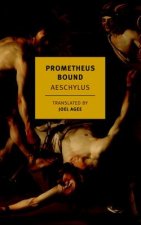
Prometheus Bound
308 Kč -
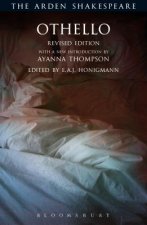
Othello
269 Kč -
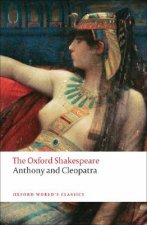
Anthony and Cleopatra: The Oxford Shakespeare
194 Kč -
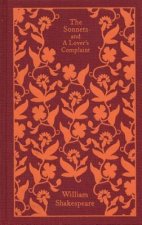
Sonnets and a Lover's Complaint
358 Kč -

Hamlet (No Fear Shakespeare)
148 Kč -

All My Sons
226 Kč -

Taste Of Honey
330 Kč -

Shakespeare's Use of the Arts of Language
462 Kč -
Much Ado About Nothing: The Oxford Shakespeare
189 Kč -
Timon Of Athens
321 Kč -
Gospel according to Shakespeare
766 Kč -

Price
229 Kč -

King Lear (No Fear Shakespeare)
145 Kč -

Shakespeare
445 Kč -
Winter's Tale
289 Kč
Osobní odběr Praha, Brno a 48423 dalších
Copyright ©2008-26 nejlevnejsi-knihy.cz Všechna práva vyhrazenaSoukromíCookies

 Vrácení do měsíce
 571 999 099 (8-15.30h)