Kód: 02404873
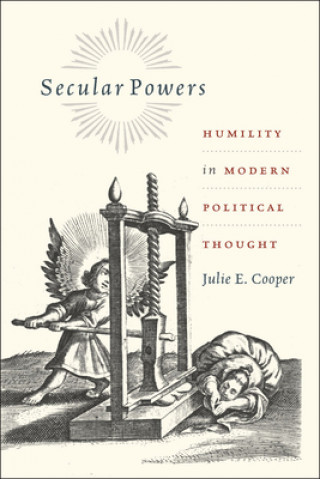
Secular Powers
Autor Julie E Cooper
Secularism is usually thought to contain the project of self-deification, in which humans attack God's authority in order to take his place. Julie E. Cooper overturns this conception through an incisive analysis of the early moder ... celý popis


- Jazyk:
 Angličtina
 - Vazba: Pevná
- Počet stran: 256
Nakladatelství: The University of Chicago Press, 2013
- Více informací o knize

1235 Kč

Skladem u dodavatele v malém množství
Odesíláme za 13-18 dnů
Potřebujete více kusů?Máte-li zájem o více kusů, prověřte, prosím, nejprve dostupnost titulu na naši zákaznické podpoře.
Přidat mezi přání
Mohlo by se vám také líbit
-

Rarum : priesvitnosť
294 Kč -

MINIX TV Series: Stranger Things - Eleven #173
339 Kč -

Sepp Holzer's Permaculture
524 Kč -

Creative Whack Pack
287 Kč -

Pomyśl dwa razy. Myron Bolitar
288 Kč -

Game AI Pro 360: Guide to Tactics and Strategy
1362 Kč -

Way of Infinite Harmony: Path of Her Holiness Princess Ma Gu, Goddess of Cannabis
279 Kč -

Unter Gottes Kriegern: Auf Kreuzzug mit Richard Löwenherz
283 Kč -

Snöfrid Virágvölgyből
266 Kč -

Christian Astrology
444 Kč -

Cruising the Library
635 Kč -

Como polvo en el viento
584 Kč -

Krtek - Kvarteto
57 Kč -

Eine unglaublich sagenhafte TORTENGESCHICHTE
349 Kč -

Nouvelles inquiètes - Pavillons Poche
328 Kč -

Profanations
605 Kč -

Odswietna butelka Tom 15
125 Kč -

Proceedings of the 2022 International Conference on Green Building, Civil Engineering and Smart City, 2 Teile
7057 Kč -

The Man from Glengarry: A Tale of the Ottawa
361 Kč -

Deníčky jednorožce Duháčkův nový kouzelný kamarád
190 Kč -

Viva Mexiko - Farben und Freude (Wandkalender 2026 DIN A3 quer), CALVENDO Monatskalender
646 Kč -

Owleene
424 Kč -

Ce Que Coute Un Caprice, Suivi de Un Coup de Foudre Sous Un Ciel Serein. 4e Edition
336 Kč -

Opium's Orphans
1115 Kč -

Nightstorm and the Grand Slam
142 Kč -

Myth Truer Than History
445 Kč -

The Essential Herbs Handbook: More Than 100 Herbs for Well-Being, Healing, and Happiness
361 Kč -

Санитарная оценка станц&
772 Kč -

Closed Commercial State
1285 Kč -

Indian Uprising of 1857-8
615 Kč -

Vetting and Other Stories
257 Kč -

Common Core Reading Lessons
4008 Kč -

Der Mensch, der Affe
1546 Kč -

Grace
382 Kč -

Mrs. Farrell
256 Kč -

Great Stories from the Mountain: 8 Expansive Short Stories
391 Kč -

Combining Ability Analysis and Authentication of F1 Hybrids in Wheat
1209 Kč -

Geographical Part Of The Nuzhat Al Qulub
859 Kč -

In the Oneness of Time
372 Kč -

Mark Twain in the Margins
719 Kč -

REPORT ON THE CLIMATIC & AGRIC
445 Kč -

Gravitational N-Body Simulations
2094 Kč -

There Was a Shtetl in Lithuania
1691 Kč -

Alignment of Department of Defense Manpower, Resources, and Personnel Systems
479 Kč -

Responsible Innovation
1212 Kč -

Bernard Pourriere
491 Kč -

Criaturas míticas de España
592 Kč -

Sudoku Counter Display
1992 Kč -

No One Told Me
237 Kč
Darujte tuto knihu ještě dnes
- Objednejte knihu a zvolte Zaslat jako dárek.
- Obratem obdržíte darovací poukaz na knihu, který můžete ihned předat obdarovanému.
- Knihu zašleme na adresu obdarovaného, o nic se nestaráte.
Více informací o knize Secular Powers
Nákupem získáte 124 bodů
 Anotace knihy
Secularism is usually thought to contain the project of self-deification, in which humans attack God's authority in order to take his place. Julie E. Cooper overturns this conception through an incisive analysis of the early modern justifications for secular politics. While she agrees that secularism is a means of empowerment, she argues that we have misunderstood the sources of secular empowerment and the kinds of strength to which it aspires. Contemporary understandings of secularism, Cooper contends, have been shaped by a limited understanding of it as a shift from vulnerability to power. But the works of the foundational thinkers of secularism tell a different story. Analyzing the writings of Hobbes, Spinoza, and Rousseau at the moment of secularity's inception, she shows that all three understood that acknowledging one's limitations was a condition of successful self-rule. And while all three invited humans to collectively build and sustain a political world, their invitations did not amount to self-deification. Cooper establishes that secular politics as originally conceived does not require a choice between power and vulnerability. Rather, it challenges us - today as then - to reconcile them both as essential components of our humanity.
Parametry knihy
Zařazení knihy Knihy v angličtině Humanities Philosophy Social & political philosophy
1235 Kč
- Plný název: Secular Powers
- Autor: Julie E Cooper
- Jazyk: Angličtina
- Vazba: Pevná
- Počet stran: 256
- EAN: 9780226081298
- ISBN: 022608129X
- ID: 02404873
- Nakladatelství: The University of Chicago Press
- Hmotnost: 485 g
- Rozměry: 229 × 152 × 20 mm
- Datum vydání: 06. December 2013
Oblíbené z jiného soudku
-

The 48 Laws of Power
448 Kč -

Prince: The Original Classic
270 Kč -
Lean Thinking
606 Kč -

You Must Change Your Life
551 Kč -

End of History and the Last Man
341 Kč -

BIRTH OF BIOPOLITICS
397 Kč -

Modern Social Imaginaries
442 Kč -

Machinic Unconscious
469 Kč -

Free Will
187 Kč -
The Republic
249 Kč -

A Conflict of Visions
611 Kč -

Platform Capitalism
296 Kč -

Years of Rice and Salt
267 Kč -

Essential Drucker
285 Kč -

Race, Nation, Class
332 Kč -

Making of the Indebted Man
256 Kč -

Progress
467 Kč -

Discourse on Inequality
195 Kč -
On Populist Reason
470 Kč -

Critical Models
1088 Kč -

Pure War
535 Kč -
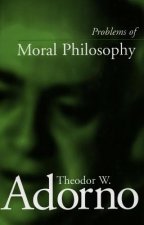
Problems of Moral Philosophy
576 Kč -

Hegel and the Freedom of Moderns
743 Kč -

American Iconoclast
358 Kč -

Peace, Land, and Bread
599 Kč -
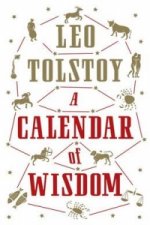
Calendar of Wisdom
220 Kč -

One-Dimensional Man
551 Kč -

Between Past and Future
319 Kč -

Future of Nostalgia
588 Kč -

On The Abolition Of All Polictical
226 Kč -

To Have or To Be?
700 Kč -

Rene Girard's Mimetic Theory
1319 Kč -

German Ideology
282 Kč -

Beyond Nature and Culture
948 Kč -

Zapp!: the Lightning of Empowerment
318 Kč -

On Practice and Contradiction
482 Kč -

Rising Up and Rising Down
397 Kč -
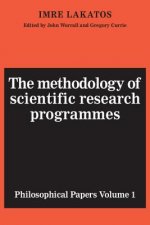
Methodology of Scientific Research Programmes: Volume 1
608 Kč -

Fashion System
390 Kč -
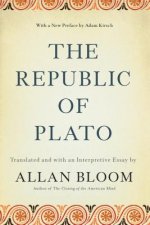
Republic of Plato
480 Kč -
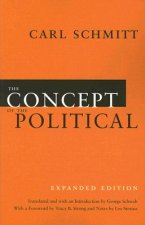
Concept of the Political - Expanded Edition
635 Kč -

Frames of War
328 Kč -
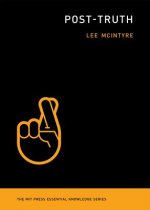
Post-Truth
287 Kč -

Political Philosophy
392 Kč -

What is Power?
361 Kč -

Oxford Handbook of Political Ideologies
1120 Kč -

Candlestick Charting Explained Workbook: Step-by-Step Exercises and Tests to Help You Master Candlestick Charting
683 Kč -

Common Sense, The Rights Of Man And Other Essential Writings
174 Kč -

Small Arcs of Larger Circles
451 Kč
Osobní odběr Praha, Brno a 46922 dalších
Copyright ©2008-26 nejlevnejsi-knihy.cz Všechna práva vyhrazenaSoukromíCookies

 Vrácení do měsíce
 571 999 099 (8-15.30h)