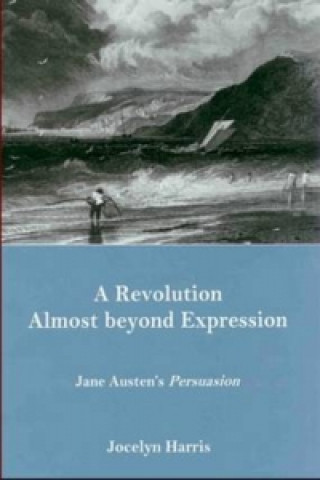
Kód: 04749574
Revolution Almost Beyond Expression
Autor Jocelyn Harris
To praise Jane Austen's novels only as stylistic masterpieces is to strip them of the historical, cultural, and literary contexts that might otherwise illuminate them. By focusing primarily on the political, historical, satiric, ... celý popis


- Jazyk:
 Angličtina
 - Vazba: Pevná
- Počet stran: 280
Nakladatelství: Associated University Presses, 2007
- Více informací o knize


Mohlo by se vám také líbit

Darujte tuto knihu ještě dnes
- Objednejte knihu a zvolte Zaslat jako dárek.
- Obratem obdržíte darovací poukaz na knihu, který můžete ihned předat obdarovanému.
- Knihu zašleme na adresu obdarovaného, o nic se nestaráte.
Více informací o knize Revolution Almost Beyond Expression
Nákupem získáte 294 bodů
 Anotace knihy
To praise Jane Austen's novels only as stylistic masterpieces is to strip them of the historical, cultural, and literary contexts that might otherwise illuminate them. By focusing primarily on the political, historical, satiric, actively intertextual, and deeply sexualized text of Persuasion, Jocelyn Harris seeks to reconcile the so-called insignificance of her content with her high canonical status, for Austen's interactions with real and imagined worlds prove her to be innovative, even revolutionary. This book answers common assertions that Austen's content is restricted; that being uneducated and a woman, she could only write unconsciously, realistically, and autobiographically of what she knew; that her national and sexual politics were reactionary; and that her novels serve mainly as havens from reality. Such ideas arose from literal readings of Austen's letters, the family's representation of her as a gentle, unlearned genius, and the assumption that she could not write about the Napoleonic Wars. Persuasion is, though, permeated with references to war as well as peace. Harris suggests that Persuasion may respond to Walter Scott's review of Emma, Austen's correspondence with Fanny Knight, hostile reviews of Frances Burney's The Wanderer, contemporary attacks on the novel, and her own defense of fiction in Northanger Abbey. Self-critical in revision, Austen calls on Byron, Shakespeare, Napoleon, and Cook to modify wartime constructions of English masculinity such as Southey's Nelson. Similarly, her critique of Scott's first three novels confirms that her attitude toward class and gender is far from reactionary. Persuasion reveals Austen's patriotism, her pioneering lyricism, and her hopes for sexual equality. Although like Turner she portrays Lyme as sublime and liminally open to change, she attacks Bath, a city shadowed by mortality and corruption, with a savage indignation characteristic of contemporary satire. Persuasion sketches a society founded on merit and distributive justice, its turn from woe to joy derived not so much from her own life as from the seasonal resurrections of Shakespeare's late tragicomedies, her religious beliefs, and the nation's mixed grief and jubilee after Waterloo. Harris draws on new information to argue that Austen is an outward looking, intertextually aware, and remarkably self-conscious author.
Parametry knihy
Zařazení knihy Knihy v angličtině Literature & literary studies Literature: history & criticism Literary studies: general
2936 Kč
- Plný název: Revolution Almost Beyond Expression
- Autor: Jocelyn Harris
- Jazyk: Angličtina
- Vazba: Pevná
- Počet stran: 280
- EAN: 9780874139662
- ISBN: 087413966X
- ID: 04749574
- Nakladatelství: Associated University Presses
- Hmotnost: 598 g
- Rozměry: 238 × 161 × 26 mm
- Datum vydání: 01. July 2007
Oblíbené z jiného soudku
-
How to Read a Book
248 Kč -
Art of Rhetoric
94 Kč -
Zofloya
227 Kč -
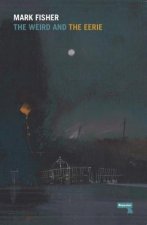
Weird and the Eerie
205 Kč -
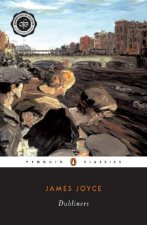
Dubliners
202 Kč -

Karamazov Brothers
230 Kč -
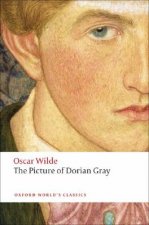
The Picture of Dorian Gray
149 Kč -
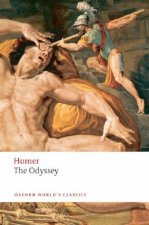
Odyssey
209 Kč -
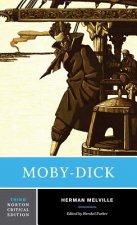
Moby-Dick
638 Kč -

Saga of Tanya the Evil, Vol. 3
279 Kč -
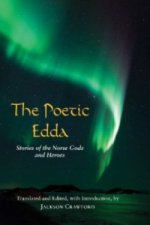
The Poetic Edda
668 Kč -
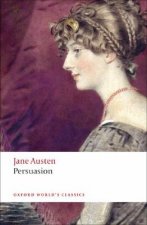
Persuasion
116 Kč -
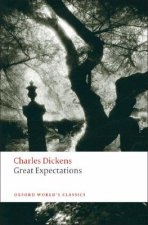
Great Expectations
160 Kč -
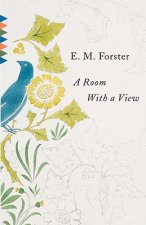
Room With A View
210 Kč -
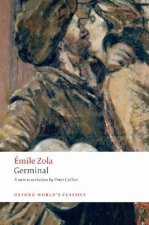
Germinal
174 Kč -
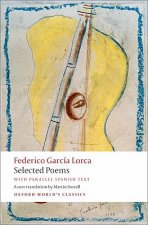
Selected Poems
225 Kč -
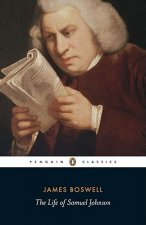
Life of Samuel Johnson
434 Kč -
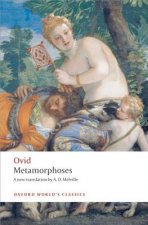
Metamorphoses
162 Kč -
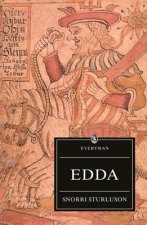
Edda
178 Kč -
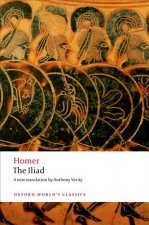
Iliad
244 Kč -
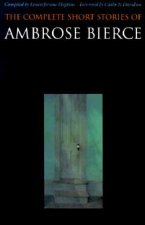
Complete Short Stories of Ambrose Bierce
489 Kč -
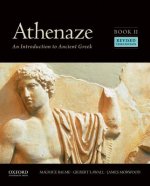
Athenaze, Book II
2799 Kč -

Annotated Alice
235 Kč -
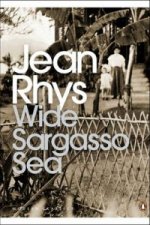
Wide Sargasso Sea
224 Kč -
SEOUL University Korean 1B Workbook (QR), m. 1 Audio
753 Kč -
SEOUL University Korean 1B Student's Book (QR), m. 1 Audio
1107 Kč -
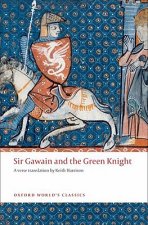
Sir Gawain and The Green Knight
194 Kč -
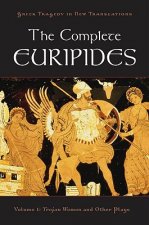
Complete Euripides Volume I Trojan Women and Other Plays
272 Kč -
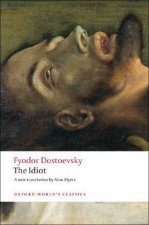
Idiot
224 Kč -
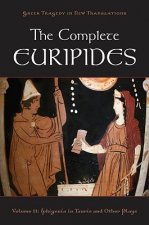
Complete Euripides Volume II Electra and Other Plays
272 Kč -

Selected Poetry
205 Kč -
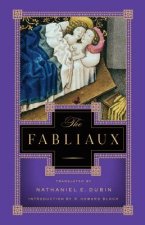
Fabliaux
560 Kč -
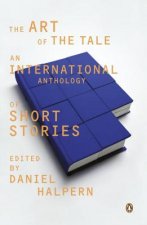
The Art of the Tale
466 Kč -
Fantastic in Literature
846 Kč -
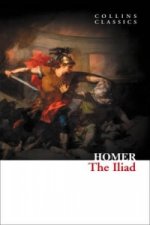
Iliad
107 Kč -
Two Treatises of Government
178 Kč -
Twenty Years After
263 Kč -
Odyssey (Deckle Edge)
380 Kč -
Anna Karenina
193 Kč -
Memoirs of a Dutiful Daughter
293 Kč -
Great God Pan and Other Horror Stories
380 Kč -
Essential Writings of Ralph Waldo Emerson
412 Kč -

Education of a Wandering Man
169 Kč -
Three Theban Plays
276 Kč -
Consolation of Philosophy
248 Kč -
Poetics
227 Kč -
Tenant of Wildfell Hall
189 Kč -
Splintered Light
495 Kč -
Ivanhoe
194 Kč
Osobní odběr Praha, Brno a 47529 dalších
Copyright ©2008-26 nejlevnejsi-knihy.cz Všechna práva vyhrazenaSoukromíCookies

 Vrácení do měsíce
 571 999 099 (8-15.30h)