Kód: 39298517
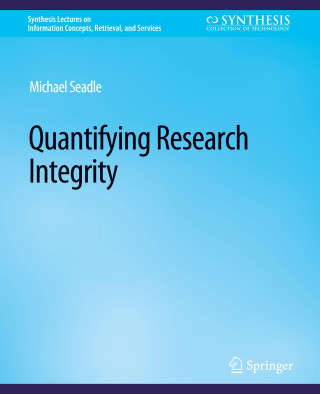
Quantifying Research Integrity
Autor Michael Seadle
Institutions typically treat research integrity violations as black and white, right or wrong. The result is that the wide range of grayscale nuances that separate accident, carelessness, and bad practice from deliberate fraud and ... celý popis


- Jazyk:
 Angličtina
 - Vazba: Brožovaná
- Počet stran: 144
Nakladatelství: Springer International Publishing, 2016
- Více informací o knize

1154 Kč
Dostupnost:
50 % šance Máme informaci, že by titul mohl být dostupný. Na základě vaší objednávky se ho pokusíme do 6 týdnů zajistit.
Prohledáme celý svět
Mohlo by se vám také líbit
-

Moonwalk
284 Kč -

The Score
323 Kč -

The Deal
275 Kč -

The Mistake
248 Kč -

Jujutsu Kaisen, Vol. 30
271 Kč -

Berserk Deluxe Volume 1
781 Kč -

Invincible Compendium Volume 2
1229 Kč -

The Goal
312 Kč -

Witch Hat Atelier: Grimoire Edition 1
777 Kč -

Berserk Deluxe Volume 2
837 Kč -

Murdoku
380 Kč -

Lord of Mysteries, Vol. 3: The Clown, Part III
409 Kč -

Witch Hat Atelier Manga Box Set 1
1241 Kč -

Jujutsu Kaisen, Vol. 25
221 Kč -

Moonwalk: A Memoir
517 Kč -

Legacy
249 Kč -

Heated Rivalry
227 Kč -

JoJo's Bizarre Adventure: Part 7--Steel Ball Run, Vol. 7
427 Kč -

Berserk Deluxe Volume 3
781 Kč -

Jujutsu Kaisen, Vol. 26
225 Kč -

White Nights
89 Kč
Darujte tuto knihu ještě dnes
- Objednejte knihu a zvolte Zaslat jako dárek.
- Obratem obdržíte darovací poukaz na knihu, který můžete ihned předat obdarovanému.
- Knihu zašleme na adresu obdarovaného, o nic se nestaráte.
Informovat o naskladnění knihy
Zadejte do formuláře e-mailovou adresu a jakmile knihu naskladníme, zašleme vám o tom zprávu. Pohlídáme vše za vás.
Více informací o knize Quantifying Research Integrity
Nákupem získáte 115 bodů
 Anotace knihy
Institutions typically treat research integrity violations as black and white, right or wrong. The result is that the wide range of grayscale nuances that separate accident, carelessness, and bad practice from deliberate fraud and malpractice often get lost. This lecture looks at how to quantify the grayscale range in three kinds of research integrity violations: plagiarism, data falsification, and image manipulation.Quantification works best with plagiarism, because the essential one-to-one matching algorithms are well known and established tools for detecting when matches exist. Questions remain, however, of how many matching words of what kind in what location in which discipline constitute reasonable suspicion of fraudulent intent. Different disciplines take different perspectives on quantity and location. Quantification is harder with data falsification, because the original data are often not available, and because experimental replication remains surprisingly difficult. The same is true with image manipulation, where tools exist for detecting certain kinds of manipulations, but where the tools are also easily defeated.This lecture looks at how to prevent violations of research integrity from a pragmatic viewpoint, and at what steps can institutions and publishers take to discourage problems beyond the usual ethical admonitions. There are no simple answers, but two measures can help: the systematic use of detection tools and requiring original data and images. These alone do not suffice, but they represent a start.The scholarly community needs a better awareness of the complexity of research integrity decisions. Only an open and wide-spread international discussion can bring about a consensus on where the boundary lines are and when grayscale problems shade into black. One goal of this work is to move that discussion forward.
Parametry knihy
Zařazení knihy Knihy v němčině Naturwissenschaften, Medizin, Informatik, Technik Informatik, EDV Informatik
1154 Kč
- Plný název: Quantifying Research Integrity
- Autor: Michael Seadle
- Jazyk: Angličtina
- Vazba: Brožovaná
- Počet stran: 144
- EAN: 9783031011788
- ISBN: 3031011783
- ID: 39298517
- Nakladatelství: Springer International Publishing
- Hmotnost: 284 g
- Rozměry: 235 × 191 × 9 mm
- Datum vydání: 22. December 2016
Osobní odběr Praha, Brno a 46611 dalších
Copyright ©2008-26 nejlevnejsi-knihy.cz Všechna práva vyhrazenaSoukromíCookies

 Vrácení do měsíce
 571 999 099 (8-15.30h)