
Kód: 04938893
Proletarian Gamble
Autor Ken C. Kawashima
Korean workers in Japan constituted imperial Japan's largest colonial labour force in the 1920s and 1930s. Caught between the Scylla of agricultural destitution in Korea and the Charybdis of industrial depression in Japan, migrant ... celý popis


- Jazyk:
 Angličtina
 - Vazba: Pevná
- Počet stran: 312
Nakladatelství: Duke University Press, 2009
- Více informací o knize

3042 Kč
Dostupnost:
50 % šance Máme informaci, že by titul mohl být dostupný. Na základě vaší objednávky se ho pokusíme do 6 týdnů zajistit.
Prohledáme celý svět
Mohlo by se vám také líbit
-

Complete Hindi Beginner to Intermediate Course
827 Kč -

Secret Garden
331 Kč -

The Boston Bruins vs. the Montreal Canadiens
200 Kč -

Tarzan (Disney)
230 Kč -

Free Trade and Economic Restructuring in Latin America
2006 Kč -

A Debt So Ruthless
512 Kč -

When Your Lazarus Dies!
501 Kč
Darujte tuto knihu ještě dnes
- Objednejte knihu a zvolte Zaslat jako dárek.
- Obratem obdržíte darovací poukaz na knihu, který můžete ihned předat obdarovanému.
- Knihu zašleme na adresu obdarovaného, o nic se nestaráte.
Informovat o naskladnění knihy
Zadejte do formuláře e-mailovou adresu a jakmile knihu naskladníme, zašleme vám o tom zprávu. Pohlídáme vše za vás.
Více informací o knize Proletarian Gamble
Nákupem získáte 304 bodů
 Anotace knihy
Korean workers in Japan constituted imperial Japan's largest colonial labour force in the 1920s and 1930s. Caught between the Scylla of agricultural destitution in Korea and the Charybdis of industrial depression in Japan, migrant Korean peasants arrived on Japanese soil amid extreme forms of precariousness in the labour and housing markets. For the migrant, becoming a worker in Japan was dependent on chance, on knowing or meeting the right people, on being in the right place at the right time. In "The Proletarian Gamble", Ken C. Kawashima maintains that contingent labour is a defining characteristic of capitalist commodity economies. He develops his argument by scrutinizing how the labour power of Korean workers in Japan was commodified, how they fought against the racist and contingent conditions of exchange, and how they combated institutionalized racism. Kawashima draws on previously unseen archival materials from interwar Japan as he describes how Korean migrants struggled against various recruitment practices, unfair and discriminatory wages, sudden firings, racist housing practices, and excessive bureaucratic red-tape. Demonstrating that there was no single Korean 'minority,' he reveals how Koreans exploited fellow Koreans and how the stratification of their communities worked to the advantage of state and capital. However, Kawashima also describes how when migrant workers did organize, as when they became involved in Roso (the largest Korean communist labour union in Japan), and in Zenkyo (the Japanese communist labour union), their diverse struggles were united toward a common goal. In "The Proletarian Gamble", his analysis of the Korean migrant workers' experiences opens into a much broader re-thinking of the fundamental nature of capitalist commodity economies and the analytical categories of the proletariat, surplus populations, commodification, and state power.
Parametry knihy
Zařazení knihy Knihy v angličtině Humanities History Regional & national history
3042 Kč
- Plný název: Proletarian Gamble
- Podnázev: Korean Workers in Interwar Japan
- Autor: Ken C. Kawashima
- Jazyk: Angličtina
- Vazba: Pevná
- Počet stran: 312
- EAN: 9780822343998
- ISBN: 0822343991
- ID: 04938893
- Nakladatelství: Duke University Press
- Hmotnost: 567 g
- Rozměry: 236 × 155 × 23 mm
- Datum vydání: 17. April 2009
Oblíbené z jiného soudku
-

Ethnic Cleansing of Palestine
276 Kč -

Rubicon
317 Kč -

Bury My Heart At Wounded Knee
276 Kč -

Time Traveller's Guide to Medieval England
276 Kč -

History of the Kings of Britain
310 Kč -

Cuneiform
227 Kč -

Alexander the Great
380 Kč -

Battle for Spain
331 Kč -
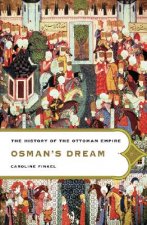
Osman's Dream
408 Kč -

How to be a Victorian
292 Kč -

'Tis
248 Kč -

Europe in the High Middle Ages
328 Kč -

Wages of Destruction
445 Kč -

Empress Dowager Cixi
325 Kč -

How to Listen to Jazz
319 Kč -

Ecclesiastical History of the English People
240 Kč -
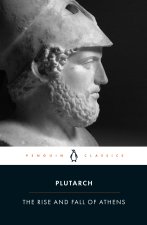
Rise And Fall of Athens
374 Kč -

Voynich Manuscript
1054 Kč -

Colossus
248 Kč -

Ataturk
336 Kč -

The History of Rome
380 Kč -

Our Street
636 Kč -

Blood, Toil, Tears and Sweat
343 Kč -

Origins of the Second World War
295 Kč -

Diana: Her True Story - In Her Own Words
276 Kč -

Campaigns of Alexander
313 Kč -

Viking Way
1064 Kč -
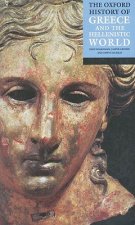
Oxford History of Greece and the Hellenistic World
381 Kč -

Anti-Intellectualism in American Life
335 Kč -

History of the Byzantine State and Society
1226 Kč -

Byzantium
336 Kč -

Florence
1268 Kč -

Strange Death of Europe
310 Kč -

Lords of the Horizons
292 Kč -

American Nations
303 Kč -

Berlin
276 Kč -

Montcalm's Crushing Blow
413 Kč -

Imagining the Balkans
875 Kč -

Inventing Eastern Europe
673 Kč -

Winston Churchill
402 Kč -

Two Lives of Charlemagne
297 Kč -

With Musket and Tomahawk, Vol. I
528 Kč -

Secret History of the IRA
423 Kč -

Memoirs from the House of the Dead
219 Kč -

Austrian Commanders of the Napoleonic Wars
414 Kč -

Black Athena Writes Back
995 Kč -

Promised You A Miracle
314 Kč -

Paston Letters
241 Kč -

Attila and the Nomad Hordes
414 Kč
Osobní odběr Praha, Brno a 47484 dalších
Copyright ©2008-26 nejlevnejsi-knihy.cz Všechna práva vyhrazenaSoukromíCookies

 Vrácení do měsíce
 571 999 099 (8-15.30h)