Kód: 19191307
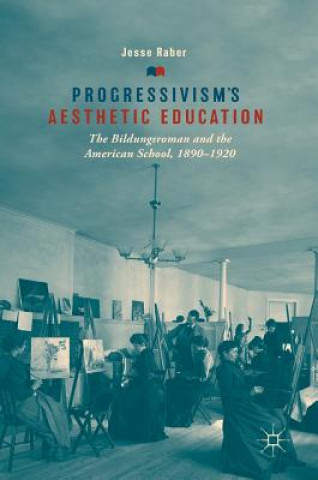
Progressivism's Aesthetic Education
Autor Jesse Raber
During the Progressive Era in the United States, as teaching became professionalized and compulsory attendance laws were passed, the public school emerged as a cultural authority. What did accepting this authority mean for America ... celý popis


- Jazyk:
 Angličtina
 - Vazba: Pevná
- Počet stran: 208
Nakladatelství: Springer International Publishing AG, 2018
- Více informací o knize


Mohlo by se vám také líbit
-

Neštěkej a jez!
418 Kč -

Capacitively-Coupled Chopper Amplifiers
2345 Kč
Darujte tuto knihu ještě dnes
- Objednejte knihu a zvolte Zaslat jako dárek.
- Obratem obdržíte darovací poukaz na knihu, který můžete ihned předat obdarovanému.
- Knihu zašleme na adresu obdarovaného, o nic se nestaráte.
Více informací o knize Progressivism's Aesthetic Education
Nákupem získáte 183 bodů
 Anotace knihy
During the Progressive Era in the United States, as teaching became professionalized and compulsory attendance laws were passed, the public school emerged as a cultural authority. What did accepting this authority mean for Americans' conception of self-government and their freedom of thought? And what did it mean for the role of artists and intellectuals within democratic society? Jesse Raber argues that the bildungsroman negotiated this tension between democratic autonomy and cultural authority, reprising an old role for the genre in a new social and intellectual context. Considering novels by Abraham Cahan, Willa Cather, and Charlotte Perkins Gilman alongside the educational thought of John Dewey, the Montessorians, the American Herbartians, and the social efficiency educators, Raber traces the development of an aesthetics of social action. Richly sourced and vividly narrated, this book is a creative intervention in the fields of literary criticism, pragmatic philosophy, aesthetic theory, and the history of education.
Parametry knihy
Zařazení knihy Knihy v angličtině Humanities History Regional & national history
1830 Kč
- Plný název: Progressivism's Aesthetic Education
- Podnázev: The Bildungsroman and the American School, 1890-1920
- Autor: Jesse Raber
- Jazyk: Angličtina
- Vazba: Pevná
- Počet stran: 208
- EAN: 9783319900438
- ISBN: 3319900439
- ID: 19191307
- Nakladatelství: Springer International Publishing AG
- Hmotnost: 454 g
- Rozměry: 210 × 148 × 18 mm
- Datum vydání: 12. July 2018
Oblíbené z jiného soudku
-

Hundred Years' War on Palestine
260 Kč -

The Fourth Turning
358 Kč -

Time Traveller's Guide to Medieval England
276 Kč -

Black Hawk Down
335 Kč -

Line in the Sand
235 Kč -

On China
407 Kč -

How to be a Victorian
293 Kč -

Empress Dowager Cixi
329 Kč -

History of the Arab Peoples
317 Kč -

Arabs
400 Kč -

Age Of Revolution
336 Kč -

Babylon
307 Kč -

Civil War
209 Kč -

Biggest Prison on Earth
293 Kč -

Pompeii
272 Kč -

Ancien Regime and the Revolution
312 Kč -

Roman History
343 Kč -

Swiss Watching
338 Kč -

Setting the East Ablaze
315 Kč -

Napoleon's Red Lancers
338 Kč -

Fools Crow
318 Kč -

Conquest of New Spain
293 Kč -

Northern Crusades
312 Kč -

Reconstruction of Nations
617 Kč -

Modern Ireland 1600-1972
420 Kč -

Age of the Vikings
361 Kč -

Balloon-busting Aces of World War 1
438 Kč -

Team of Rivals
417 Kč -

General History of the Pyrates
591 Kč -

Polish Saber
1293 Kč -

Mons Graupius AD 83
467 Kč -

London Labour and the London Poor
256 Kč -

Irish Freedom
380 Kč -

Scramble for China
380 Kč -

History of the Decline and Fall of the Roman Empire
465 Kč -

Cambridge Illustrated History of France
895 Kč -

Vivid Faces
362 Kč -

Nations and Nationalism since 1780
350 Kč -

Inanna, Lady of Largest Heart
656 Kč -

Revolution without Revolutionaries
639 Kč -

Hungarian and Bulgarian Aces of World War 2
438 Kč -

Great Departure
387 Kč -

Annotated U.S. Constitution and Declaration of Independence
375 Kč -

Concise History of Albania
795 Kč -

Ireland Since the Famine
441 Kč -

Carrier Air Group 86
908 Kč -

Israel-Palestine Conflict
914 Kč -

What Has Government Done to Our Money?
334 Kč -

Empires and Barbarians
741 Kč
Osobní odběr Praha, Brno a 46865 dalších
Copyright ©2008-26 nejlevnejsi-knihy.cz Všechna práva vyhrazenaSoukromíCookies

 Vrácení do měsíce
 571 999 099 (8-15.30h)