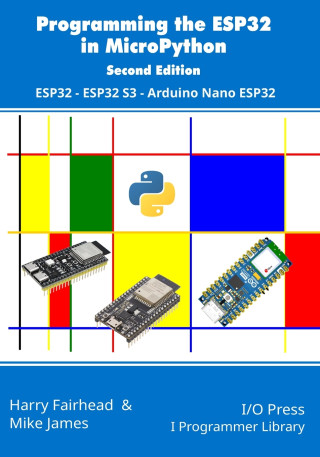
Kód: 47219157
Programming the ESP32 in MicroPython, 2nd Edition
Autor Harry Fairhead
New in this edition is support for the ESP32 S3 and the Arduino Nano ESP32.The ESP32 is a remarkable device. It is low cost but with many different subsystems that make it more powerful than you might think. You can use it for sim ... celý popis


- Jazyk:
 Angličtina
 - Vazba: Brožovaná
- Počet stran: 364
Nakladatelství: Amazon Digital Services LLC - Kdp, 2025
- Více informací o knize


Mohlo by se vám také líbit
-

Blue Lock 21
231 Kč -

Batman: A Death in the Family
415 Kč -

Iron Maiden: Infinite Dreams
1123 Kč -

The Knave and the Moon
490 Kč -

The Rose Bargain
209 Kč -

Game On
266 Kč -

Blood on the Tracks 15
225 Kč -

DC X Sonic the Hedgehog
360 Kč -

Terrified Teacher at Ghoul School!, Vol. 10
225 Kč -
The Happiness Advantage
335 Kč -

Rebuild Aircooled Vw Engines Hp255
572 Kč -

Paper Girls Deluxe Edition, Volume 3
608 Kč -
The Happiness Advantage
466 Kč -

Pyrography Workbook
335 Kč -

Pure Watercolour Painting
401 Kč -

STM32 Mastery
283 Kč -

Happiness Advantage
350 Kč -

Eleven Madison Park: The Next Chapter
1305 Kč -

Untamed
221 Kč -
Get Started with MicroPython on Raspberry Pi Pico
334 Kč -

Little Book of Self-Care for Pisces
259 Kč -

The ESP32 Cheap Yellow Display Book
712 Kč -

Prophecies & Oracles Myths & Tales
445 Kč -

The Novel - A Writer's Guide: Discover the Joy of Writing Fiction
224 Kč -
Python 3
1024 Kč -
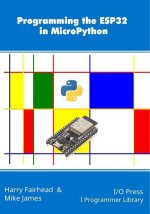
Programming the ESP32 in MicroPython
713 Kč -

Eat More Plants. A Chef's Journal
1082 Kč -
ESP32 MicroPython Programming
299 Kč -

Most Delicious Poison: The Story of Nature's Toxins--From Spices to Vices
618 Kč -

First Love and Other Stories
408 Kč -

Morphology of Biblical Greek
599 Kč -

Conrad Veidt on Screen
984 Kč -

The Peaky Diners: A Peaky Blinders Companion Cookbook - Based on Traditional British Fare
396 Kč -

Necessary Evil
267 Kč -
IoT based Projects: Realization with Raspberry Pi, NodeMCU and Arduino (English Edition)
444 Kč -
Quantum Computing in Practice with Qiskit (R) and IBM Quantum Experience (R)
1034 Kč -

Lonely Planet You Only Live Once
1110 Kč -

How to Read New York
386 Kč -

How to Garden, New Edition: A Practical Introduction to Gardening
449 Kč -

Thanku: Poems of Gratitude
358 Kč -

Irish Folk and Fairy Tales
303 Kč -

KOMPASS Autokarte Lago di Garda, Lac de Garde 1:125.000
236 Kč -

Arthur's Thanksgiving
179 Kč -

Make Your Own Silver Jewellery
385 Kč -
Programming ESP32
224 Kč -

Addiction - Psychology and Treatment
1821 Kč -
Programming the Pico
225 Kč -
Programming ESP32
278 Kč -

Micropython STM32 Programming Guide
299 Kč -
Theoretical Physics 1
2681 Kč -

Country bin pull'em
653 Kč -

RabbitMQ Cookbook
1143 Kč -

Three Theban Plays
514 Kč -

Rhodesian Civil War (1966-1979)
838 Kč -

Midnight Floral Thank You Notes (Stationery, Note Cards, Boxed Cards)
202 Kč -

Exam Prep for Marketing and E-Commerce by Miller & Jentz, 1st Ed.
851 Kč -

Figured Harmony at the Keyboard Part 2
810 Kč -
New Ways In Psychoanalysis
589 Kč -

The Public Life of Capt. John Brown
670 Kč -

Visible Learning: Lesson Planning
842 Kč -
Advanced Java: Concepts and Implementation
1462 Kč -

Der 1. Ritter
302 Kč -
3D Printing: Second Edition
362 Kč -

Descartes Highlands
339 Kč -

Selected Poems: From the Edition Definitive
576 Kč -

Twentieth-Century Literary Criticism
18878 Kč -

Retinal Degenerative Diseases
7462 Kč -

Hanging on to the Edges
641 Kč -

Scratch and Draw Unicorns
236 Kč -

Posttraumatic Stress Disorder in Children and Adolescents
847 Kč -

Crawl of Fame
543 Kč -

Fuzzy Optimization and Multi-Criteria Decision Making in Digital Marketing
4785 Kč -
Sintering Applications
3334 Kč -
Native and Non-Native Teachers in English Language Classrooms
3363 Kč -

African Americans in Higher Education
3822 Kč -

Don't Get Sunburned: 50 Ways to Save Your Skin
205 Kč -

Pros and Cons of Leasehold Enfranchisement
283 Kč -

Tale of the Shore and Ocean
584 Kč -

Obedient Germans? - A Rebuttal
605 Kč -

Oedipus Trilogy
576 Kč -

11 September and its Aftermath
1740 Kč -

Inequality in Education
5942 Kč -

Geoheritage of the Middle Atlas (Morocco)
3983 Kč -

Deep Learning Applications and Intelligent Decision Making in Engineering
4903 Kč -

Hecuba
895 Kč -

Sustainable Tourism and Indigenous Peoples
1548 Kč -

Agriculturally Important Fungi for Sustainable Agriculture
3734 Kč -

Mining in Africa
1218 Kč -

Routledge Handbook of Socio-Legal Theory and Methods
1619 Kč -

Mr. Melon Bear
464 Kč -

Transforming Practices for the English as a Foreign Language Classroom
908 Kč
Darujte tuto knihu ještě dnes
- Objednejte knihu a zvolte Zaslat jako dárek.
- Obratem obdržíte darovací poukaz na knihu, který můžete ihned předat obdarovanému.
- Knihu zašleme na adresu obdarovaného, o nic se nestaráte.
Více informací o knize Programming the ESP32 in MicroPython, 2nd Edition
Nákupem získáte 71 bodů
 Anotace knihy
New in this edition is support for the ESP32 S3 and the Arduino Nano ESP32.
The ESP32 is a remarkable device. It is low cost but with many different subsystems that make it more powerful than you might think. You can use it for simple applications because it is cheap, but you can also use it for more sophisticated applications because it is capable.
MicroPython is a good choice of language to program the ESP32. Although it is a slower language than C, most of the time this doesn't matter and it is much easier to use. As a high-level language, MicroPython is based on Python 3 and is fully object-oriented. In general, you can take an existing Python 3 program and simply run it under MicroPython. If there are any changes to make, they are generally minor.
Another good thing about MicroPython on the ESP32 is that it is very easy to get started. After a simple installation procedure you have a working MicroPython machine which you can program almost at once using the Thonny IDE or PyCharm which has more extensive syntax checking and input prompting.
The purpose of the book is to reveal what you can do with the ESP's GPIO lines together with widely used sensors, servos and motors and ADCs. After covering the GPIO, outputs and inputs, events and interrupts, it gives you hands-on experience of PWM (Pulse Width Modulation), the SPI bus, the I2C bus and the 1-Wire bus. We also cover direct access to the hardware, adding an SD Card reader, sleep states to save power, the RTC, RMT and touch sensors, not to mention how to use WiFi.
Jointly authored by Harry Fairhead and Mike James, this book combines Harry's expertise in electronics and the IoT with Mike's knowledge of Python. Their other collaborations include Programming the Raspberry Pi Pico/W in MicroPython, Raspberry Pi IoT In Python Using GPIO Zero and Raspberry Pi IoT In Python Using Linux Drivers.
Harry Fairhead is the author of Programming the ESP32 in C Using the Arduino Library, Programming the ESP32 in C Using the Espressif IDF and the C language counterparts of books on the Raspberry Pi and the Pico. He is also the author of Fundamental C: Getting Closer To The Machine and Applying C For The IoT With Linux.
Mike James is the author of the Programmer's Python: Something Completely Different series of books and several other programming and computer science titles in the I Programmer Library.
Parametry knihy
Zařazení knihy Knihy v němčině Naturwissenschaften, Medizin, Informatik, Technik Informatik, EDV Programmiersprachen
713 Kč
- Plný název: Programming the ESP32 in MicroPython, 2nd Edition
- Autor: Harry Fairhead
- Jazyk: Angličtina
- Vazba: Brožovaná
- Počet stran: 364
- EAN: 9781871962932
- ISBN: 1871962935
- ID: 47219157
- Nakladatelství: Amazon Digital Services LLC - Kdp
- Hmotnost: 630 g
- Rozměry: 254 × 178 × 19 mm
- Datum vydání: 11. January 2025
Oblíbené z jiného soudku
-
Effective C, 2nd Edition
956 Kč -
Building Event-Driven Microservices
1112 Kč -
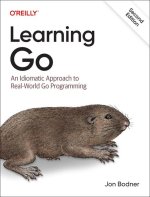
Learning Go: An Idiomatic Approach to Real-World Go Programming
1124 Kč -

Windows Security Internals with Powershell
1014 Kč -

Learn PowerShell in a Month of Lunches: Covers Windows, Linux, and macOS
1061 Kč -

SQL for Data Analytics - Fourth Edition
1121 Kč -

Head First SQL
1191 Kč -

Python Automation for Dummies
608 Kč -
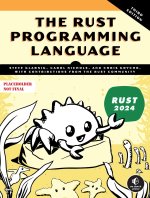
The Rust Programming Language, 3rd Edition
1014 Kč -
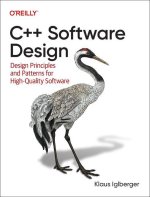
C++ Software Design
1268 Kč -

Crafting Interpreters
956 Kč -
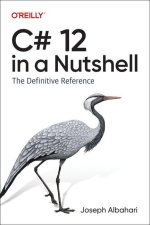
C# 12 in a Nutshell: The Definitive Reference
1112 Kč -
Kubernetes - Up and Running
1268 Kč -

C# 14 and .NET 10 - Modern Cross-Platform Development Fundamentals - Tenth Edition
1230 Kč -
Functional Programming in Scala
1305 Kč -
Robust Python
894 Kč -
Fastapi: Modern Python Web Development
894 Kč -

C# unity Programming For Beginners
279 Kč -
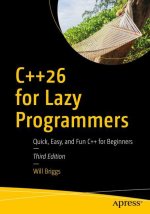
C++26 for Lazy Programmers
1274 Kč -
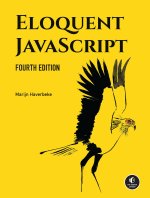
Eloquent Javascript, 4th Edition
779 Kč -
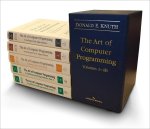
Art of Computer Programming, The, Volumes 1-4B, Boxed Set
6316 Kč -
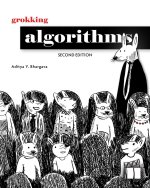
Grokking Algorithms, Second Edition
1144 Kč -
Node.js Design Patterns - Fourth Edition
1167 Kč -

Electronic Music and Sound Design - Theory and Practice with Max 8 - volume 3
1317 Kč -
Learning Php, MySQL & JavaScript
956 Kč -
High Performance Python
1017 Kč -

Software Requirements Essentials: Core Practices for Successful Business Analysis
693 Kč -
Modern C++ Programming Cookbook - Third Edition
1167 Kč -

Building Medallion Architectures
956 Kč -
Programming Phoenix LiveView
980 Kč -

C# 13 and .NET 9 - Modern Cross-Platform Development Fundamentals - Ninth Edition
1270 Kč -
Css: The Definitive Guide: Web Layout and Presentation
1423 Kč -

Web Development with Blazor - Third Edition
1105 Kč -
Godot 4 for Beginners
1064 Kč -

Java: The Complete Reference, Thirteenth Edition
956 Kč -

Twenty Years of a New Kind of Science
722 Kč -
Vibe Coding: The Future of Programming
1112 Kč -
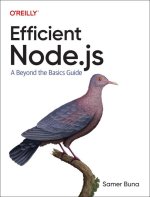
Efficient Node.Js
1049 Kč -
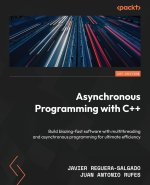
Asynchronous Programming with C++
898 Kč -
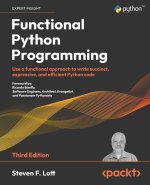
Functional Python Programming - Third Edition
1100 Kč -
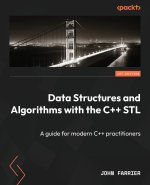
Data Structures and Algorithms with the C++ STL
1002 Kč -
Introducing C++
956 Kč -
OCP Oracle Certified Professional Java SE 17 Developer Study Guide: Exam 1Z0-829
1034 Kč -

Functional Design: Principles, Patterns, and Practices
1015 Kč -

Art Of 64-bit Assembly, Volume 1
1350 Kč -
Grokking Simplicity
1337 Kč -

HTML and CSS QuickStart Guide
568 Kč -
Core Data Services for ABAP
2164 Kč -
Practical Robotics in C++ :
919 Kč
Osobní odběr Praha, Brno a 48102 dalších
Copyright ©2008-26 nejlevnejsi-knihy.cz Všechna práva vyhrazenaSoukromíCookies

 Vrácení do měsíce
 571 999 099 (8-15.30h)