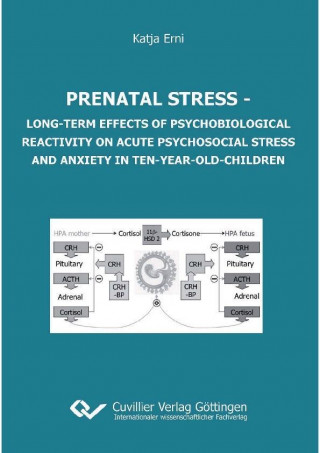
Kód: 12828235
Prenatal stress. Long-term Effects of Psychobiological Reactivity on Acute Psychosocial Stress and Anxiety in Ten-year-old-children
Autor Katja Erni
Various lines of research in animals and humans indicate that prenatal stress can have long-lasting effects on biological and psychological processes of the offspring. In particular, prenatal stress is associated with long-term di ... celý popis


- Jazyk:
 Angličtina
 - Vazba: Brožovaná
- Počet stran: 128
Nakladatelství: Cuvillier Verlag, 2012
- Více informací o knize


Mohlo by se vám také líbit
-

Mistborn Trilogy Boxed Set
904 Kč -

Mistborn
273 Kč -
Flight of the Moon Dragon: A Branches Book (Dragon Masters #6)
148 Kč -

Trilogie Mistborn
799 Kč -
Little Book of Balenciaga
301 Kč -
Diary of a Young Girl
205 Kč -

Gietrzwałd. Wezwanie. O aktualności przesłania
302 Kč -
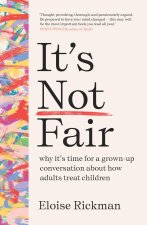
It’s Not Fair
292 Kč -
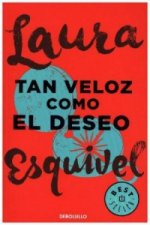
Tan veloz como el deseo
267 Kč -

Healing Is the New High
317 Kč -
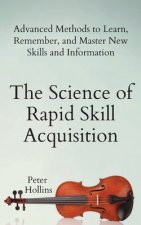
Science of Rapid Skill Acquisition
444 Kč -
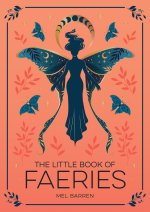
Little Book of Faeries
178 Kč -

Star Wars: Light of the Jedi (The High Republic)
636 Kč -

The Selection Stories - The Prince & The Guard
260 Kč -

Das neue Buch vom Leben auf dem Lande
573 Kč -
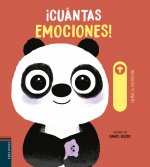
¡CUANTAS EMOCIONES!
419 Kč -
GOOD CLINICAL RESEARCH PRACTICE (GCP)
813 Kč -

Advanced Aerospace Materials
2208 Kč -
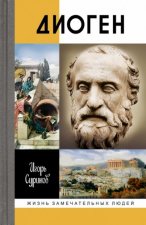
Диоген
653 Kč -

Хорусианские войны. Воскрешение
737 Kč -

Literatur im raumlichen und zeitlichen Kontext am Beispiel Hermann Hesses Unterm Rad
612 Kč -
Gnostika Nr. 55
410 Kč -

Eloge de la direction spirituelle
787 Kč -
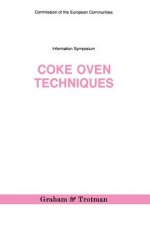
Coke Oven Techniques
2357 Kč -
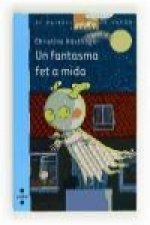
Un fantasma fet a mida
250 Kč -

Erinnerungen an meine Kindheit
308 Kč -

Life and Works of Charles Lamb. with Introduction and Notes by A. Ainger. Volume VIII
615 Kč -
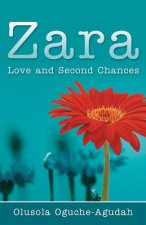
Zara
491 Kč -
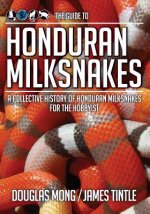
The Guide to Honduran Milksnakes: A Collective History of Honduran Milksnakes for the Hobbyist
1063 Kč -

War in European History: Is It Really Over?
299 Kč -
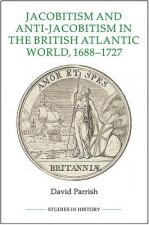
Jacobitism and Anti-Jacobitism in the British Atlantic World, 1688-1727
3050 Kč -

Roi de la Cite Merveilleuse
313 Kč -
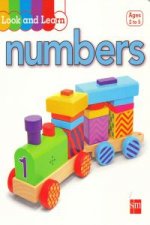
Numbers
264 Kč -
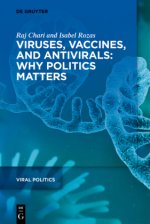
Viruses, Vaccines, and Antivirals: Why Politics Matters
822 Kč -

Der Weg zum Ziel
279 Kč
Darujte tuto knihu ještě dnes
- Objednejte knihu a zvolte Zaslat jako dárek.
- Obratem obdržíte darovací poukaz na knihu, který můžete ihned předat obdarovanému.
- Knihu zašleme na adresu obdarovaného, o nic se nestaráte.
Více informací o knize Prenatal stress. Long-term Effects of Psychobiological Reactivity on Acute Psychosocial Stress and Anxiety in Ten-year-old-children
Nákupem získáte 42 bodů
 Anotace knihy
Various lines of research in animals and humans indicate that prenatal stress can have long-lasting effects on biological and psychological processes of the offspring. In particular, prenatal stress is associated with long-term disturbances in HPA axis function. Moreover, prenatal stress in animals is linked with anxiety in later life. Likewise, in humans, gestational stress has a significant impact on emotional problems of the offspring. However, to date, there have been no studies investigating the effects of prenatal glucocorticoid exposure on psychological, endocrine, and autonomic responses to a standardized psychosocial stress test in children aged 10 years. Furthermore, studies investigating the effects of prenatal glucocorticoids on anxiety in children aged 10 years as assessed by self-report as well as maternal and paternal rating are lacking. In particular, knowledge is lacking about healthy children born after the 34th week of gestation without complications (e.g. oxygen administration because of respiratory distress syndrome) as well as with no other physical diseases or disabilities after birth. In addition, to date, the long-term effects of prenatal glucocorticoid exposure in children who are healthy and show no disparities in their level of development are poorly understood. In a cross-sectional study design, a total sample of 135 children was examined. The Glucocorticoids+Tocolytics (GC+TOC) group was characterized by tocolytic treatment of the childrenżs mothers due to signs of preterm labor during the second trimester of pregnancy. In addition, the pregnant women received glucocorticoid treatment (betamethasone) in order to accelerate fetal lung maturation in case of preterm birth. The Tocolytics (TOC) group consisted of children whose mothers also had signs of preterm labor during the second trimester of pregnancy. These mothers, like the mothers of the GC+TOC group, were administered tocolytic treatment, but did not receive glucocorticoid treatment. In both of these groups, only pregnant women were included with no other reasons (e.g. premature rupture of membranes) for tocolytic treatment than preterm labor as reported in medical records. The CONTROL group consisted of children whose mothers experienced a complication-free pregnancy. Data 1: To investigate the psychological, endocrine and autonomic responses to a standardized psychosocial stress test for children (TSST-C) was applied. Psychological parameters using self-report questionnaires (EWL-KJ and PASA) as well as salivary cortisol and heart rate were measured during the experiment. Group comparisons revealed differences in psychological (control expectancies and stress appraisal) and in biological (salivary cortisol) parameters in children who were prenatally exposed to glucocorticoids as compared to both control groups. Data 2: The effects of prenatal glucocorticoid exposure on anxiety in children as assessed by themselves and their mothers and fathers were examined. Self-report questionnaires measuring anxiety were filled in by the children (SCAS-D and EWL-KJ). Mothers and fathers completed questionnaires measuring anxiety and emotional stability in their children (HiPIC). With respect to self-reported anxiety as wells as anxiety and emotional stability as assessed by the fathers, significant differences between the three groups were revealed in group comparisons. Moreover, we found a child-father agreement in anxiety ratings. Prenatal glucocorticoid exposure is associated with an altered psychological and biological stress reactivity in response to a psychosocial stress test even in healthy 10-year-old children. Moreover, children who were prenatally exposed to glucocorticoids showed higher anxiety values and were described as less emotionally stable than the control groups.
Parametry knihy
421 Kč
- Plný název: Prenatal stress. Long-term Effects of Psychobiological Reactivity on Acute Psychosocial Stress and Anxiety in Ten-year-old-children
- Autor: Katja Erni
- Jazyk: Angličtina
- Vazba: Brožovaná
- Počet stran: 128
- EAN: 9783954040223
- ISBN: 3954040220
- ID: 12828235
- Nakladatelství: Cuvillier Verlag
- Hmotnost: 177 g
- Rozměry: 210 × 148 × 7 mm
- Datum vydání: 01. March 2012
Oblíbené z jiného soudku
-

Moonwalk
260 Kč -

The Score
248 Kč -

The Deal
290 Kč -
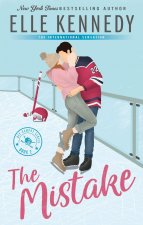
The Mistake
227 Kč -

Jujutsu Kaisen, Vol. 30
240 Kč -

Berserk Deluxe Volume 1
779 Kč -
Berserk Deluxe Volume 2
837 Kč -

The Goal
261 Kč -

Dancing The Dream
517 Kč -

Berserk Deluxe Volume 3
779 Kč -
Invincible Compendium Volume 2
1123 Kč -
Murdoku
319 Kč -
Legacy
244 Kč -
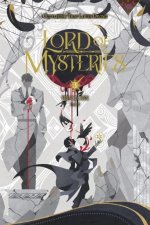
Lord of Mysteries, Vol. 3: The Clown, Part III
373 Kč -
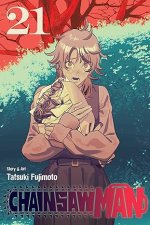
Chainsaw Man, Vol. 21
199 Kč -
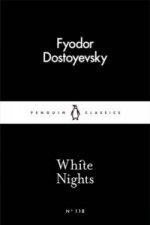
White Nights
83 Kč -
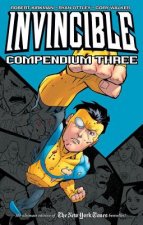
Invincible Compendium Volume 3
1123 Kč -

Jujutsu Kaisen, Vol. 29
240 Kč -
Witch Hat Atelier Manga Box Set 1
1254 Kč -
JoJo's Bizarre Adventure: Part 7--Steel Ball Run, Vol. 7
427 Kč -
Witch Hat Atelier: Grimoire Edition 1
794 Kč -

Lord of Mysteries, Vol. 1: The Clown, Part I
325 Kč -

Berserk Deluxe Volume 5
804 Kč -

Jujutsu Kaisen, Vol. 25
221 Kč -

Jujutsu Kaisen, Vol. 26
240 Kč -

Heated Rivalry
227 Kč -

Moonwalk: A Memoir
528 Kč -

Jujutsu Kaisen, Vol. 2
240 Kč -
Restitution
235 Kč -

Jujutsu Kaisen, Vol. 1
251 Kč -

Veil Volume 1
350 Kč -

Berserk Deluxe Volume 4
879 Kč -

Yesteryear
328 Kč -

The Courage To Be Disliked
206 Kč -

Invincible Compendium Volume 1
1167 Kč -

Witch Hat Atelier: Grimoire Edition 2
786 Kč -

Jujutsu Kaisen, Vol. 28
221 Kč -

The Long Game
227 Kč -

Voracious
227 Kč -

Berserk Deluxe Volume 6
837 Kč -

Jojo's Bizarre Adventure: Part 7--Steel Ball Run, Vol. 2
442 Kč -
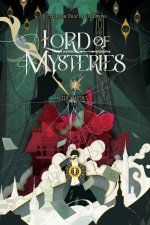
Lord of Mysteries, Vol. 2: The Clown, Part II
349 Kč -

The Count of Monte Cristo
229 Kč -

Jojo's Bizarre Adventure: Part 7--Steel Ball Run, Vol. 1
457 Kč -
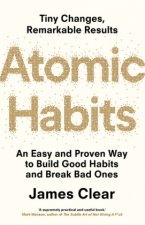
Atomic Habits
344 Kč -
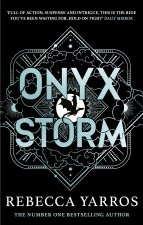
Onyx Storm
227 Kč -

Jujutsu Kaisen, Vol. 3
221 Kč -
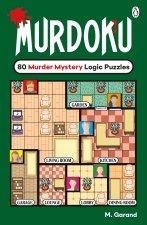
Murdoku
344 Kč -
Insatiable
229 Kč
Osobní odběr Praha, Brno a 46735 dalších
Copyright ©2008-26 nejlevnejsi-knihy.cz Všechna práva vyhrazenaSoukromíCookies

 Vrácení do měsíce
 571 999 099 (8-15.30h)