Kód: 04549727
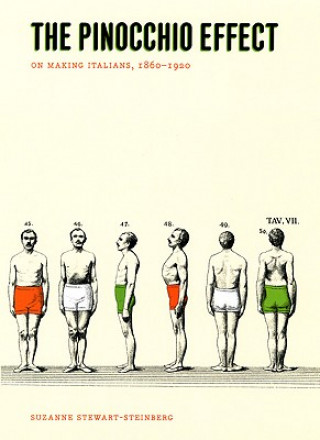
Pinocchio Effect
Autor Suzanne Stewart-Steinberg
Soon after the disparate states of the Italian peninsula unified in the 1860s to create a single nation, the nationalist Massimo D'Azeglio is said to have remarked, "We have made Italy, now we have to make Italians." "The Pinocchi ... celý popis


- Jazyk:
 Angličtina
 - Vazba: Pevná
- Počet stran: 400
Nakladatelství: The University of Chicago Press, 2008
- Více informací o knize

1642 Kč

Skladem u dodavatele v malém množství
Odesíláme za 13-18 dnů
Potřebujete více kusů?Máte-li zájem o více kusů, prověřte, prosím, nejprve dostupnost titulu na naši zákaznické podpoře.
Přidat mezi přání
Mohlo by se vám také líbit
-

Systems View of Life
599 Kč -

Blue Period 2
249 Kč -

Kriegstagebuch Des Preussischen Gefreiten Albert Koch Aus Dem West- Und Mainfeldzug Des Jahres 1866
1030 Kč -

Quantam Mechanics and Path Integrals
657 Kč -

School for Good and Evil (Books 1-6)
1138 Kč -

The Romantic Era: 102 Selections from Symphonies, Ballets, Operas & Piano Literature for Piano Solo
438 Kč -
Springer Handbook of Robotics
10833 Kč -

DEATH CURE
375 Kč -

Pour un instant d'éternité
323 Kč -

One Kind Man
220 Kč -
History of the Spanish Language
1712 Kč -

Karty klasyczne – wróżenie i magia. Odkryj sekrety najpopularniejszej talii kart i sam kształtuj swoje przeznaczenie
226 Kč -

Vánoce s kočkou
236 Kč -

Sudoku Puzzle Books Large Print: Easy, Medium to Hard Level Puzzles for Adult Sulution inside
245 Kč -

Don Laws
2795 Kč -

Soldier Supporting Soldiers
635 Kč -

DICCIONARIO MINI FRANCAIS ESPAGNOL ESPAÑOL FRANCES
222 Kč -

Comment aimer un cowboy
242 Kč -

O Caranguejo Colin Encontra a um Tesouro
574 Kč -

Play?
332 Kč -

She: A History of Adventure
217 Kč -

Early Decision
300 Kč -

Explorer Books (Pioneer Science: Earth Science): Lightning Strikes
264 Kč -
Jekologicheskoe powedenie na morskih ohranqemyh territoriqh
406 Kč -

Fantastic Figures of Speech (Fun with English)
200 Kč -

INNGIQTUQ
113 Kč -

Bingo
400 Kč -

Dynamic Systems, Economic Growth, and the Environment
2357 Kč -

Perfect Lie
189 Kč -

Facts and Arguments Respecting the Great Utility of an Extensive Plan of Inland Navigation in America.
321 Kč -

1322SB Ancenis.Riaillé
468 Kč -

Luftschiff Tentakel 2 (Puzzle)
735 Kč -

These: de la Loi Aquilia
417 Kč -

El Rosario
938 Kč -
Collection of Hymns. With Several Translations From the Hymn-book of the Moravian Brethren. Part II
881 Kč -

Sie haben gewonnen!
525 Kč -

Making Sense of Penal Change
2956 Kč -

A System of National Education
380 Kč -

100% "The" Men: Echt Situaties, Strategieën En Oplossingen Om Gentleman Te Worden!
439 Kč -

Ueber die Hypothese einer Vererbung von Verletzungen
308 Kč -

Alphabet Imperial Militaire
402 Kč -
Comparative Reception of Relativity
4707 Kč
Darujte tuto knihu ještě dnes
- Objednejte knihu a zvolte Zaslat jako dárek.
- Obratem obdržíte darovací poukaz na knihu, který můžete ihned předat obdarovanému.
- Knihu zašleme na adresu obdarovaného, o nic se nestaráte.
Více informací o knize Pinocchio Effect
Nákupem získáte 164 bodů
 Anotace knihy
Soon after the disparate states of the Italian peninsula unified in the 1860s to create a single nation, the nationalist Massimo D'Azeglio is said to have remarked, "We have made Italy, now we have to make Italians." "The Pinocchio Effect" draws on a remarkably broad array of sources to trace this making of a modern national identity in Italy, a subject that remains strikingly understudied in the English-speaking world of Italian studies. Taking as her guiding metaphor the character of Pinocchio - a national icon made famous in 1881 by the eponymous children's book - Suzanne Stewart-Steinberg argues that just like the renowned puppet, modern Italians were caught in a complex interplay between freely chosen submission and submission demanded by an outside force. In doing so, she explores all the ways that identity was constructed through newly formed attachments, voluntary and otherwise, to the young nation. Featuring deft readings of the period's most important Italian cultural and social thinkers - including the theorist of mass psychology Scipio Sighele, the authors Matilde Serao and Edmondo De Amicis, the criminologist Cesare Lombroso, and the pedagogue Maria Montessori - Stewart-Steinberg's richly multidisciplinary book will set a new standard in Italian studies.
Parametry knihy
Zařazení knihy Knihy v angličtině Humanities History Regional & national history
1642 Kč
- Plný název: Pinocchio Effect
- Podnázev: On Making Italians, 1860-1920
- Autor: Suzanne Stewart-Steinberg
- Jazyk: Angličtina
- Vazba: Pevná
- Počet stran: 400
- EAN: 9780226774480
- ISBN: 0226774481
- ID: 04549727
- Nakladatelství: The University of Chicago Press
- Hmotnost: 936 g
- Rozměry: 237 × 162 × 30 mm
- Datum vydání: 05. February 2008
Oblíbené z jiného soudku
-

Hundred Years' War on Palestine
260 Kč -
History of the Peloponnesian War
350 Kč -
Decline and Fall of the Roman Empire
155 Kč -

Plantagenets
314 Kč -

Bury My Heart At Wounded Knee
276 Kč -

The Fourth Turning
358 Kč -

Rubicon
317 Kč -

Concise History of Hungary
521 Kč -

Basque History Of The World
292 Kč -

Genghis Khan
381 Kč -

How to Listen to Jazz
317 Kč -
Religion and the Decline of Magic
445 Kč -

Alexander the Great
379 Kč -

Palestine
424 Kč -

Footnotes in Gaza
489 Kč -
Masnavi. Book Four
272 Kč -
Masnavi, Book Three
267 Kč -

Reconstruction of Nations
608 Kč -

Making Sense of the Troubles
379 Kč -

Penguin Historical Atlas of the Vikings
381 Kč -

Persian Fire
335 Kč -
Oxford History of Greece and the Hellenistic World
385 Kč -

The Great Depression: A Diary
334 Kč -

The Balkans, 1804-2012
445 Kč -

Seven Pillars of Wisdom
298 Kč -

1000 Years of Annoying the French
270 Kč -

U.S. Aviation and Naval Warfare in the Vietnam War
627 Kč -
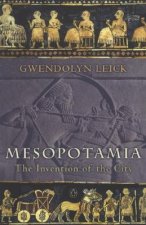
Mesopotamia
317 Kč -

Penguin History of Europe
495 Kč -

American West
246 Kč -

Empress of the East
292 Kč -

Arab of the Future
445 Kč -

Historical Atlas of Central Europe
1555 Kč -

Black Jacobins
319 Kč -

Walls of Constantinople AD 324-1453
376 Kč -
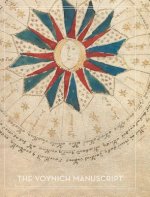
Voynich Manuscript
990 Kč -

Ornament Of The World
334 Kč -
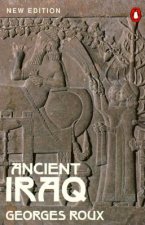
Ancient Iraq
423 Kč -

Salonica, City of Ghosts
358 Kč -

Christ Stopped at Eboli
226 Kč -

Forbidden Archeology
774 Kč -
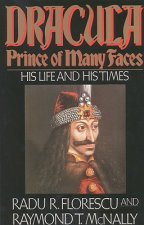
Dracula, Prince Of Many Faces
365 Kč -
Chivalry
409 Kč -

Tigers I and II and their Variants
954 Kč -

Cardinal Richelieu
867 Kč -

Defying Hitler
248 Kč -

Book in the Renaissance
590 Kč -
Early History of Rome
292 Kč -

Great Mortality
248 Kč
Osobní odběr Praha, Brno a 48465 dalších
Copyright ©2008-26 nejlevnejsi-knihy.cz Všechna práva vyhrazenaSoukromíCookies

 Vrácení do měsíce
 571 999 099 (8-15.30h)