Kód: 14574049
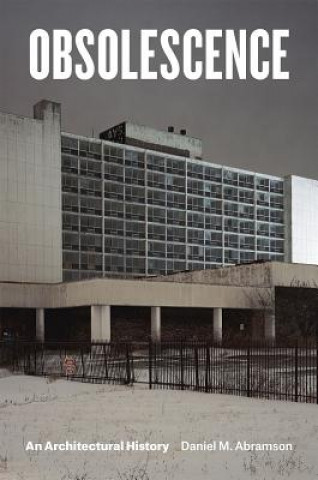
Obsolescence
Autor Daniel M. Abramson
In our architectural pursuits, we often seem to be in search of something newer, grander, or more efficient and this phenomenon is not novel. In the spring of 1910 hundreds of workers labored day and night to demolish the Gillende ... celý popis


- Jazyk:
 Angličtina
 - Vazba: Brožovaná
- Počet stran: 202
Nakladatelství: The University of Chicago Press, 2017
- Více informací o knize


Mohlo by se vám také líbit
-

Children of Dune
214 Kč -

Frank Herbert's Dune Saga 6-Book Boxed Set
1673 Kč -

Frank Herbert's Dune Saga 3-Book Deluxe Hardcover Boxed Set
2267 Kč -

Children of Dune
779 Kč -

Dramatic Ritual: Best of the Equinox, Volume II
442 Kč -

One Minute Manager Builds High Performing Teams
226 Kč -

Postmodern Condition
443 Kč -
Archigram
1496 Kč -

Undoing Project
276 Kč -

Celtic Stencil Designs
192 Kč -

Rewriting Architecture: 10+1 Actions for an Adaptive Architecture
683 Kč -

Okolí Prahy 50 tras s daty GPS
134 Kč -

Vander's Renal Physiology, Tenth Edition
1304 Kč -
Essays on Architecture and City Planning
906 Kč -

Wolf-Man and Sigmund Freud
5510 Kč -

Neue Spielregeln im Arbeitnehmererfinderrecht
369 Kč -

Raus aus meiner Kuche, Mann!
208 Kč -

Fisheries Subsidies under International Law
2357 Kč -

Farmington
558 Kč -

Halo (CD Digisleeve)
457 Kč -

Kody Chan
349 Kč -

I Knew You Before You Were Born
155 Kč -

Our World Readers: The Shark King's Cave
229 Kč -

Parabolische Logarithmen Und Parabolische Trigonometrie: Eine Vergleichende Untersuchung
423 Kč -

Prince Fortune and Prince Fatal.
504 Kč -

Medeltidens Statsskick, Omkr. 800-1350 (1895)
881 Kč -

Fin de Siecle: Piece En 4 Actes
337 Kč -

Handbook of Ferroalloys
5262 Kč
Darujte tuto knihu ještě dnes
- Objednejte knihu a zvolte Zaslat jako dárek.
- Obratem obdržíte darovací poukaz na knihu, který můžete ihned předat obdarovanému.
- Knihu zašleme na adresu obdarovaného, o nic se nestaráte.
Více informací o knize Obsolescence
Nákupem získáte 79 bodů
 Anotace knihy
In our architectural pursuits, we often seem to be in search of something newer, grander, or more efficient and this phenomenon is not novel. In the spring of 1910 hundreds of workers labored day and night to demolish the Gillender Building in New York, once the loftiest office tower in the world, in order to make way for a taller skyscraper. The New York Times puzzled over those who would sacrifice the thirteen-year-old structure, "as ruthlessly as though it were some ancient shack." In New York alone, the Gillender joined the original Grand Central Terminal, the Plaza Hotel, the Western Union Building, and the Tower Building on the list of just one generation's razed metropolitan monuments. In the innovative and wide-ranging Obsolescence, Daniel M. Abramson investigates this notion of architectural expendability and the logic by which buildings lose their value and utility. The idea that the new necessarily outperforms and makes superfluous the old, Abramson argues, helps people come to terms with modernity and capitalism's fast-paced change. Obsolescence, then, gives an unsettling experience purpose and meaning. Belief in obsolescence, as Abramson shows, also profoundly affects architectural design. In the 1960s, many architects worldwide accepted the inevitability of obsolescence, experimenting with flexible, modular designs, from open-plan schools, offices, labs, and museums to vast megastructural frames and indeterminate building complexes. Some architects went so far as to embrace obsolescence's liberating promise to cast aside convention and habit, envisioning expendable short-life buildings that embodied human choice and freedom. Others, we learn, were horrified by the implications of this ephemerality and waste, and their resistance eventually set the stage for our turn to sustainability the conservation rather than disposal of resources. Abramson's fascinating tour of our idea of obsolescence culminates in an assessment of recent manifestations of sustainability, from adaptive reuse and historic preservation to postmodernism and green design, which all struggle to comprehend and manage the changes that challenge us on all sides.
Parametry knihy
Zařazení knihy Knihy v angličtině The arts Architecture History of architecture
791 Kč
- Plný název: Obsolescence
- Autor: Daniel M. Abramson
- Jazyk: Angličtina
- Vazba: Brožovaná
- Počet stran: 202
- EAN: 9780226478050
- ISBN: 022647805X
- ID: 14574049
- Nakladatelství: The University of Chicago Press
- Hmotnost: 306 g
- Rozměry: 153 × 228 × 14 mm
- Datum vydání: 25. January 2017
Oblíbené z jiného soudku
-

World Trade Center (Classics of American Architecture)
467 Kč -

Antifascist Architecture
774 Kč -

Architectural Digest at 100: A Century of Style
1968 Kč -

Modern Architecture A-Z
474 Kč -
Modern Architecture
480 Kč -
What is Architectural History?
606 Kč -

Brutalist Japan
954 Kč -

One World Tartarians (Black and White)
637 Kč -

Architecture
525 Kč -

California Crazy
1016 Kč -

Architecture
531 Kč -

Short Story of Architecture
362 Kč -
Orders of Architecture
209 Kč -

domus 1970s
611 Kč -

The Soul of Korean Architecture
329 Kč -

Architecture
374 Kč -

Architecture in the Age of Stalin
991 Kč -

World Architecture
801 Kč -

History of Western Architecture, Sixth edition
1429 Kč -

Possibility of an Absolute Architecture
1201 Kč -

World History of Architecture, Third Edition
1118 Kč -

Art Nouveau
667 Kč -

Global History of Architecture, 3e
2897 Kč -

Atmospheres
854 Kč -

World History of Design Volume 2
1282 Kč -
Ruins and Fragments
955 Kč -

Abandoned France
783 Kč -

Towards a New Architecture
255 Kč -

Art Deco Architecture
645 Kč -

Late Victorian Interiors and Interior Details
208 Kč -
Architectural Details
788 Kč -

Chronology of Architecture
523 Kč -
Traditional Chinese Architecture
1362 Kč -

History of Architecture
3408 Kč -
Chinese Brutalism Today
875 Kč -

World History of Design Volume 1
1211 Kč -

New History of Modern Architecture
833 Kč -
Contrasts
647 Kč -

Ancient Angkor
875 Kč -

Japan and the West
1601 Kč -

Brick
1004 Kč -

Soviet Modernism, Brutalism, Post-modernism: Buildings and Projects in Ukraine 1960-1990
2343 Kč -
Phantom Architecture
598 Kč -

The Soul of Korean Architecture
512 Kč -

Dairy Queens
1779 Kč -

American Homes
428 Kč -

At Home at Highclere
597 Kč -
Architecture Competitions and the Production of Culture, Quality and Knowledge
1340 Kč -

Chicago School of Architecture
258 Kč
Osobní odběr Praha, Brno a 46788 dalších
Copyright ©2008-26 nejlevnejsi-knihy.cz Všechna práva vyhrazenaSoukromíCookies

 Vrácení do měsíce
 571 999 099 (8-15.30h)