Kód: 14274453
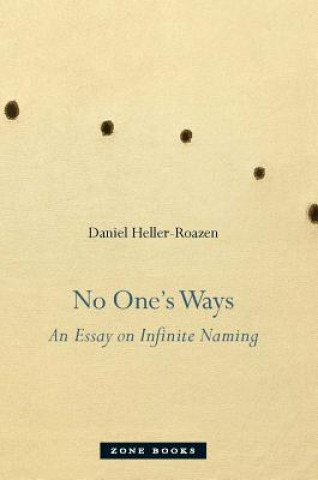
No One's Ways - An Essay on Infinite Naming
Autor Daniel Heller-Roazen
Homer recounts how, trapped inside a monster's cave, with nothing but his wits to call upon, Ulysses once saved himself by twisting his name. He called himself Outis: "No One,ż or "Non-One,ż "No Man,ż or "Non-Man.ż The ploy was a ... celý popis


- Jazyk:
 Angličtina
 - Vazba: Pevná
- Počet stran: 336
Nakladatelství: Zone Books, 2017
- Více informací o knize


Mohlo by se vám také líbit
-

Harry Potter and the Chamber of Secrets: MinaLima Edition
788 Kč -
Kod emocji. Jak uwolnić zablokowane emocje i cieszyć się zdrowiem, szczęściem oraz miłością.
243 Kč -

Mr Wilman's Motoring Adventure
240 Kč -

Dragonfly in Amber
169 Kč -

Książeczka kontrastowa Zwierzęta w domu
55 Kč -

The Illustrated Encyclopedia of Dinosaurs and Prehistoric Creatures
554 Kč -

Money-Saving Gardener Containers
358 Kč -

Creative Habit
335 Kč -

Room of One's Own and Three Guineas (Vintage Classics Woolf Series)
208 Kč -

Never Bet Against Occam: Mast Cell Activation Disease and the Modern Epidemics of Chronic Illness and Medical Complexity
537 Kč -

Pulp
276 Kč -

Look Inside Trains
207 Kč -

Make It With Air-Dry Clay
248 Kč -

Hitler Legacy
475 Kč -

Basic Machines and How They Work
194 Kč -

Jamie Hewlett
1334 Kč -

Profesor Wilczur
199 Kč -

FIRST TIME MANAGER DEI
336 Kč -

Being The Other Woman
352 Kč -
Mathematics Handbook for Science and Engineering
3379 Kč -

Birnie, Boyle, and Redgwell's International Law and the Environment
1822 Kč -

Finding Our Fathers
654 Kč -

The Haunting of Hajji Hotak
219 Kč -

Dinosaur and Other Prehistoric Creatures Activity Lab: Exciting Projects for Exploring the Prehistoric World
368 Kč -

Soul Cage
196 Kč -

CRC World Dictionary of Medicinal and Poisonous Plants
34241 Kč -

Disney Stitch: Story Book & Money Box
289 Kč -

Gerade Mini-Gleise
202 Kč -

Fifth Hammer - Pythagoras and the Disharmony of the World
726 Kč -

H.c. Andersens Nye Eventyr Og Historier: Med Illustrationer Efter Originaltegninger Af L. Fr?lich, Volume 1...
576 Kč -

ChessBase 17 - Tipps und Tricks
610 Kč -

Incorporating Your Business For Dummies
442 Kč -
Econometrics of Climate, Energy, and Green Transition
3553 Kč -

Alice in Wonderland: Down the Rabbit Hole
389 Kč -

Catorce de julio
717 Kč -

Oklahoma Cook Book
242 Kč -

Environmental Valuation with Discrete Choice Experiments in R
1182 Kč -

World Building
5509 Kč -

De hormigas y personas
349 Kč -

Karácsonyi fények
238 Kč -

Pivotal Tuesdays
650 Kč -

Žena, která zmizela
220 Kč -

The Smart Sales Method: The CEO's Guide To Improving Sales Results For B2B Technology Sales Teams
444 Kč -

ARANKA
430 Kč -

Roe e l'ultima battaglia
555 Kč -

Les Nevroses. Les Ames, Les Luxures, Les Refuges, Les Spectres, Les Tenebres
674 Kč -

L?t framrutan vara större än bakrutan
192 Kč -
Politics and Economics of the Transition Period
1801 Kč -

Rumänische Volkstänze, für Klavier Ausgabe für Klarinette und Klavier
341 Kč -

Dark Tongues - The Art of Rogues and Riddlers
927 Kč -

Klimaänderungen
775 Kč -

Fleaona the Vegetarian Cat
279 Kč -

Fatty liver diet: the new complete guide on fatty liver disease. More than 80 recipes for fatty liver, managing eczema and psoriasis.
217 Kč -

Shadow King
325 Kč -

The Great Lakes Ships of Frank E. Kirby
1024 Kč -

Oeuvres Completes de Voltaire. Correspondances,18
821 Kč
Darujte tuto knihu ještě dnes
- Objednejte knihu a zvolte Zaslat jako dárek.
- Obratem obdržíte darovací poukaz na knihu, který můžete ihned předat obdarovanému.
- Knihu zašleme na adresu obdarovaného, o nic se nestaráte.
Více informací o knize No One's Ways - An Essay on Infinite Naming
Nákupem získáte 107 bodů
 Anotace knihy
Homer recounts how, trapped inside a monster's cave, with nothing but his wits to call upon, Ulysses once saved himself by twisting his name. He called himself Outis: "No One,ż or "Non-One,ż "No Man,ż or "Non-Man.ż The ploy was a success. He blinded his barbaric host and eluded him, becoming anonymous, for a while, even as he bore a name. Philosophers never forgot the lesson that the ancient hero taught. From Aristotle and his commentators in Greek, Arabic, Latin, and more modern languages, from the masters of the medieval schools to Kant and his many successors, thinkers have exploited the possibilities of adding "non-ż to the names of man. Aristotle is the first to write of "indefiniteż or "infiniteż names, his example being "non-man.ż Kant turns to such terms in his theory of the infinite judgment, illustrated by the sentence, "The soul is non-mortal.ż Such statements play major roles in the philosophies of Maimon, Fichte, Schelling, Hegel, and Hermann Cohen. They are profoundly reinterpreted in the twentieth century by thinkers as diverse as Carnap and Heidegger.
Parametry knihy
Zařazení knihy Knihy v angličtině Language linguistics Philosophy of language
1068 Kč
- Plný název: No One's Ways - An Essay on Infinite Naming
- Autor: Daniel Heller-Roazen
- Jazyk: Angličtina
- Vazba: Pevná
- Počet stran: 336
- EAN: 9781935408888
- ISBN: 1935408887
- ID: 14274453
- Nakladatelství: Zone Books
- Hmotnost: 596 g
- Rozměry: 161 × 235 × 30 mm
- Datum vydání: 21. March 2017
Oblíbené z jiného soudku
-
Trivium
471 Kč -
Philosophy of Language
1035 Kč -
Philosophy of Language
650 Kč -
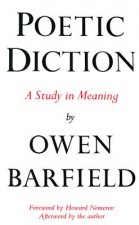
Poetic Diction
586 Kč -
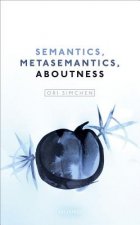
Semantics, Metasemantics, Aboutness
2297 Kč -

Construction of Social Reality
297 Kč -
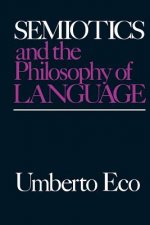
Semiotics and the Philosophy of Language
527 Kč -

Making the Social World
315 Kč -

Image Music Text
265 Kč -

Language Instinct
335 Kč -

What Coleridge Thought
599 Kč -

Rosicrucian Manual
302 Kč -
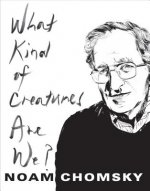
What Kind of Creatures Are We?
287 Kč -

Practice Makes Perfect English Pronouns and Prepositions, Second Edition
299 Kč -

Practice Makes Perfect English Articles and Determiners Up Close
275 Kč -
Atoms Of Language
334 Kč -
Naming and Necessity
694 Kč -
Logic of Sense
442 Kč -

Language Hoax
303 Kč -
Handbook of Semiotics
1221 Kč -

Infancy and History
299 Kč -

Language Animal
1019 Kč -

Practice Makes Perfect English Verb Tenses Up Close
385 Kč -

Adam's Tongue
365 Kč -

Rhetoric of Motives
772 Kč -
LOT 2
919 Kč -
Reference
1787 Kč -
Soul and Form
892 Kč -

Documentality
1092 Kč -

The Natural History of the Sign
392 Kč -
How Language Works
275 Kč -
Essential Chomsky
449 Kč -

Introduction to Cognitive Linguistics
1760 Kč -

Making It Explicit
1071 Kč -
Inquiry into Modes of Existence
490 Kč -

More than Cool Reason
841 Kč -

Lectures on Rhetoric & Belles Lettres
304 Kč -
Authority of Law
1545 Kč -
When the Word Becomes Flesh
312 Kč -
Scandal of the Speaking Body
432 Kč -

Critical Introduction to the Philosophy of Language
1499 Kč -

Literary Mind
666 Kč -
Speaking from Elsewhere
846 Kč -

Latin
696 Kč -

Philosophy of Language
1428 Kč -

Language, Proof, and Logic
3127 Kč -
How to Do Things with Words
1324 Kč -
Signs
750 Kč -
Metaphor
1243 Kč
Osobní odběr Praha, Brno a 47617 dalších
Copyright ©2008-26 nejlevnejsi-knihy.cz Všechna práva vyhrazenaSoukromíCookies

 Vrácení do měsíce
 571 999 099 (8-15.30h)