Kód: 04733027
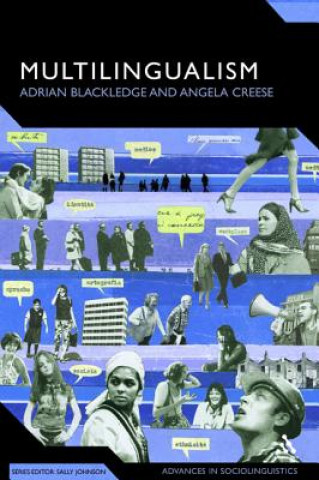
Multilingualism
Autor Adrian Blackledge, Angela Creese
What does it mean to young people to be multilingual? What do multilingual speakers' linguistic resources mean to them? Are they happy to discard their languages, and assimilate to English, or are there other issues at stake? Do c ... celý popis


- Jazyk:
 Angličtina
 - Vazba: Pevná
- Počet stran: 266
Nakladatelství: Bloomsbury Publishing, 2009
- Více informací o knize


Mohlo by se vám také líbit
-

Universe
773 Kč -

Big Sticker Book of Animals
252 Kč -
Sing-along Nursery Rhymes
182 Kč -
Grammar & Vocabulary Practice Intermediate B1. Teacher's Book
791 Kč -
Social Skills for Teenagers and Adults with Asperger Syndrome
594 Kč -
Cambridge Companion to Latin American Poetry
927 Kč -

Carlismo
600 Kč -

Prodloužená jízda
278 Kč -

NBLA Biblia de Estudio MacArthur, Tapa Dura, Azul, Interior a dos colores
941 Kč -

Fundamentals of Layout Design for Electronic Circuits
2345 Kč -

THE DEVOTION OF SUSPECT X
599 Kč -
Foucault, Cultural Studies, and Governmentality
907 Kč -

Complete Works of Oscar Wilde: Volume III: The Picture of Dorian Gray: The 1890 and 1891 Texts
11335 Kč -

Why do the online betting sites always win?: Learn their 'secrets'
142 Kč -

Sketches of Young Couples, Young Ladies, Young Gentlemen
772 Kč -

The Last Summer Of Lost Souls
237 Kč -
Parallel Machines: Parallel Machine Languages
3532 Kč -

Compendio de historia del derecho
1415 Kč -

Modulacao da Fotossintese e do Nitrogenio por Condicoes de alto CO2
1014 Kč -

Niger Cultivation in Konkan region of Maharashtra State
1014 Kč -

From My Mouth to God's Ear
468 Kč -
BABADADA, norsk - Swahili, visuell ordbok - kamusi ya michoro
651 Kč -

Self-Timed Control of Concurrent Processes
3012 Kč -

Revolving Culture
676 Kč -

Das Nervensystem und dessen Krankheiten
350 Kč -

Der Einfluss der Handelsoffenheit auf das Wirtschaftswachstum in Äthiopien
813 Kč -

Sarah Summerlin
268 Kč -

Stars as Laboratories for Fundamental Physics
2871 Kč -

Pathways: Listening, Speaking, and Critical Thinking 1A Split
869 Kč -

Construction and Operation of Steam Engines for Locomotives
1014 Kč -

Ancient Rome
437 Kč -

Local Economies in Turmoil
2675 Kč -

Red Saxony
1619 Kč -

Geography Bee Declassified - U.S. Files
444 Kč -

American Writers
15230 Kč
Darujte tuto knihu ještě dnes
- Objednejte knihu a zvolte Zaslat jako dárek.
- Obratem obdržíte darovací poukaz na knihu, který můžete ihned předat obdarovanému.
- Knihu zašleme na adresu obdarovaného, o nic se nestaráte.
Více informací o knize Multilingualism
Nákupem získáte 567 bodů
 Anotace knihy
What does it mean to young people to be multilingual? What do multilingual speakers' linguistic resources mean to them? Are they happy to discard their languages, and assimilate to English, or are there other issues at stake? Do communities set out to ensure that their languages are maintained and passed on to the next generation, and if so, how, and why? What if speakers appropriate and make use of linguistic resources not typically associated with their 'ethnic' or 'heritage' group? Is there consensus about the role and value of particular sets of linguistic resources, or is this contested, and negotiated? How do negotiations about linguistic resources and identities play out in institutional contexts, and what language practices are used in these negotiations? Adrian Blackledge and Angela Creese address these questions, taking a critical perspective to examine issues such as nationalism, heritage, culture, identity negotiation, ideology and power. They offer responses from their detailed investigations of the language practices of multilingual young people and their teaching experiences in complementary schools in four cities in England. As a comprehensive examination of the issues surrounding multilingualism, it will be essential reading for advanced students and researchers of sociolinguistics and multilingualism.
Parametry knihy
Zařazení knihy Knihy v angličtině Language linguistics Psycholinguistics
5672 Kč
- Plný název: Multilingualism
- Podnázev: A Critical Perspective
- Autor: Adrian Blackledge, Angela Creese
- Jazyk: Angličtina
- Vazba: Pevná
- Počet stran: 266
- EAN: 9780826492104
- ISBN: 082649210X
- ID: 04733027
- Nakladatelství: Bloomsbury Publishing
- Hmotnost: 551 g
- Rozměry: 234 × 156 × 15 mm
- Datum vydání: 07. December 2009
Oblíbené z jiného soudku
-
Introducing Neuro-Linguistic Programming
329 Kč -
Raising Multilingual Children
271 Kč -

French as a Foreign Language for Cambridge IGCSE™ Workbook with Digital Access (2 Years)
606 Kč -

Language Strategies for Trilingual Families
349 Kč -
Parents' and Teachers' Guide to Bilingualism
334 Kč -

Becoming Fluent
388 Kč -
Neurolinguistics
1505 Kč -
Psycholinguistics
1171 Kč -
Bilingual Edge, the
319 Kč -
Linguistics: A Very Short Introduction
225 Kč -
How Languages are Learned
1142 Kč -
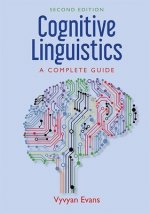
Cognitive Linguistics
842 Kč -

7 Steps to Raising a Bilingual Child
316 Kč -
Constructing a Language
904 Kč -
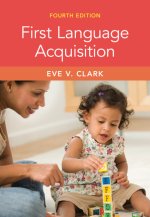
First Language Acquisition
1180 Kč -
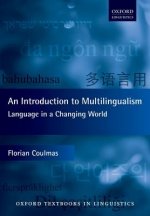
Introduction to Multilingualism
923 Kč -
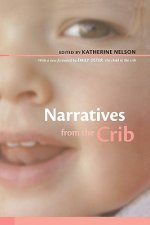
Narratives from the Crib
929 Kč -
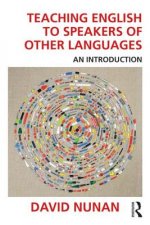
Teaching English to Speakers of Other Languages
1619 Kč -

Point of Words
983 Kč -
Transition From Prelinguistic To Linguistic Communication
1760 Kč -

Multilingualism and Identity
708 Kč -

Mein zweisprachiges Bilderbuch - (Deutsch / Persisch, Farsi, Dari)
642 Kč -

Growing up with Three Languages
645 Kč -
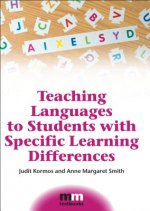
Teaching Languages to Students with Specific Learning Differences
810 Kč -

Why Only Us
495 Kč -
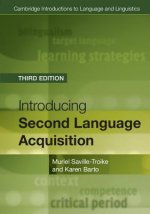
Introducing Second Language Acquisition
943 Kč -

Understanding Deaf Culture
955 Kč -

Basic Mandarin Chinese - Speaking & Listening Practice Book
334 Kč -
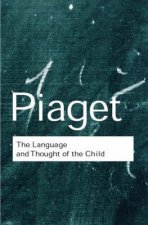
Language and Thought of the Child
714 Kč -
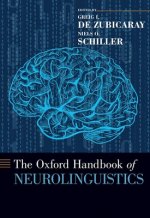
Oxford Handbook of Neurolinguistics
6829 Kč -

Grammar of Words
713 Kč -
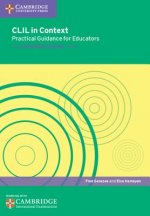
CLIL in Context Practical Guidance for Educators
1853 Kč -

Foundations of Language
1308 Kč -
How Language Began
1034 Kč -
Positive Psychology in SLA
1103 Kč -

Bilingual Family
976 Kč -

Mehrsprachigkeit und Bildung in Kitas und Schulen
648 Kč -
Handbook of Play Therapy and Therapeutic Play
1247 Kč -
Understanding Second Language Acquisition
1513 Kč -
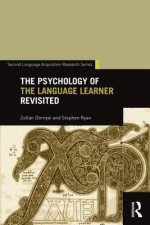
Psychology of the Language Learner Revisited
2316 Kč -

Oxford Handbook of Construction Grammar
1669 Kč -
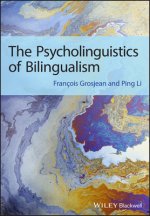
Psycholinguistics of Bilingualism
1218 Kč -
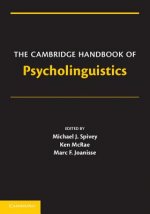
Cambridge Handbook of Psycholinguistics
1796 Kč -

Bilingual First Language Acquisition
943 Kč -
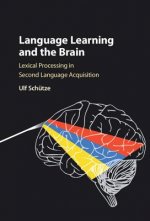
Language Learning and the Brain
3353 Kč -
Reflections on Language Teacher Identity Research
1811 Kč -
Gesture and Thought
1009 Kč -
Teaching Proficiency Through Reading and Storytelling (TPRS)
1499 Kč -
Metaphor and Emotion
1270 Kč
Osobní odběr Praha, Brno a 48132 dalších
Copyright ©2008-26 nejlevnejsi-knihy.cz Všechna práva vyhrazenaSoukromíCookies

 Vrácení do měsíce
 571 999 099 (8-15.30h)