Kód: 01288895
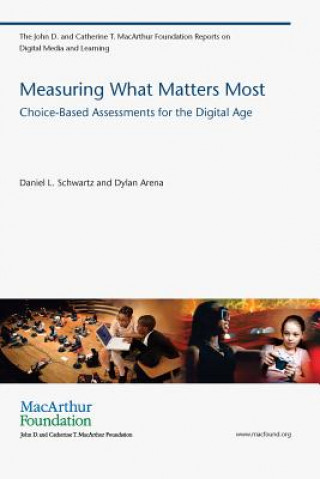
Measuring What Matters Most
Autor Daniel L Schwartz
If a fundamental goal of education is to prepare students to act independently in the world -- in other words, to make good choices -- an ideal educational assessment would measure how well we are preparing students to do so. Curr ... celý popis


- Jazyk:
 Angličtina
 - Vazba: Brožovaná
- Počet stran: 192
Nakladatelství: MIT Press Ltd, 2013
- Více informací o knize

273 Kč
Dostupnost:
50 % šance Máme informaci, že by titul mohl být dostupný. Na základě vaší objednávky se ho pokusíme do 6 týdnů zajistit.
Prohledáme celý svět
Mohlo by se vám také líbit
-

THE SEA OF MONSTERS
209 Kč -

The Minimalist-Ish Journal
318 Kč -

Complete Diabetes Cookbook
568 Kč -
Niedermeyer's Electroencephalography
12214 Kč -

Inside a U.S. Embassy
380 Kč -

Jednoduše buďte šťastní
277 Kč -

Fair Catch
334 Kč -

Principles of Managerial Finance, Global Edition
1744 Kč -

Slovenská národná strana 1918 - 1938
242 Kč -

Vrána
173 Kč -
High-Yield Biostatistics, Epidemiology, and Public Health
1146 Kč -

The Domino Men
300 Kč -

VERBOS ESPANOLES
277 Kč -

In the Footsteps of the Brontes
385 Kč -

C'est sale !
641 Kč -

Tasting Notes
453 Kč -

Raccolta Cuckold 4
399 Kč -

Helping Couples Overcome Infidelity
4595 Kč -

Imagining the Americas in Medici Florence
2660 Kč -

Metternich's German Policy, Volume II
3982 Kč -

Progress of Sin
437 Kč -

Property Masters
6155 Kč -

Antonina; or, The fall of Rome By: Wilkie Collins: Novel
339 Kč -

Boho Minimaliste - Livre de coloriage pour adolescents et adultes
572 Kč -

Karistina and the Gathering of Magic
340 Kč -

Grundriss der unorganischen Chemie gemäss den neueren Ansichten
470 Kč -

Fairy Tales Their Origin and Meaning
336 Kč -

Full Spiritual Authority
257 Kč -

Reproducing Gender
6588 Kč -

Yellow Rose Among the Red
389 Kč -

Advances in Information and Computer Security
1182 Kč -

Einflüsse des deutschen Strafrechts auf die jüngere Strafrechtsreformbewegung in Spanien.
1295 Kč -

The Posey County High School Football Almanac: 1899 to 2018
176 Kč -

Uncommodified Blackness
1344 Kč -

Sistema Informatico para la gestion de Proyectos Agropecuarios
997 Kč -

Vancouver Island: Its Resources and Capabilities, as a Colony.
338 Kč -

Achievements of the Class of 1902, Yale College, From Birth to the Year 1912 (Classic Reprint)
837 Kč -

German Pop Culture
2307 Kč -

MARIUS, FANNY, CESAR
496 Kč -

Supercars. Le auto più straordinarie di tutti i tempi
576 Kč -

Education of Arnold Hitler
339 Kč -

Aktionärsrechte und Nachhaltigkeit.
2820 Kč
Darujte tuto knihu ještě dnes
- Objednejte knihu a zvolte Zaslat jako dárek.
- Obratem obdržíte darovací poukaz na knihu, který můžete ihned předat obdarovanému.
- Knihu zašleme na adresu obdarovaného, o nic se nestaráte.
Informovat o naskladnění knihy
Zadejte do formuláře e-mailovou adresu a jakmile knihu naskladníme, zašleme vám o tom zprávu. Pohlídáme vše za vás.
Více informací o knize Measuring What Matters Most
Nákupem získáte 27 bodů
 Anotace knihy
If a fundamental goal of education is to prepare students to act independently in the world -- in other words, to make good choices -- an ideal educational assessment would measure how well we are preparing students to do so. Current assessments, however, focus almost exclusively on how much knowledge students have accrued and can retrieve. In Measuring What Matters Most, Daniel Schwartz and Dylan Arena argue that choice should be the interpretive framework within which learning assessments are organized. Digital technologies, they suggest, make this possible; interactive assessments can evaluate students in a context of choosing whether, what, how, and when to learn. Schwartz and Arena view choice not as an instructional ingredient to improve learning but as the outcome of learning. Because assessments shape public perception about what is useful and valued in education, choice-based assessments would provide a powerful lever in this reorientation in how people think about learning. Schwartz and Arena consider both theoretical and practical matters. They provide an anchoring example of a computerized, choice-based assessment, argue that knowledge-based assessments are a mismatch for our educational aims, offer concrete examples of choice-based assessments that reveal what knowledge-based assessments cannot, and analyze the practice of designing assessments. Because high variability leads to innovation, they suggest democratizing assessment design to generate as many instances as possible. Finally, they consider the most difficult aspect of assessment: fairness. Choice-based assessments, they argue, shed helpful light on fairness considerations.
Parametry knihy
Zařazení knihy Knihy v angličtině Society & social sciences Education Organization & management of education
273 Kč
- Plný název: Measuring What Matters Most
- Autor: Daniel L Schwartz
- Jazyk: Angličtina
- Vazba: Brožovaná
- Počet stran: 192
- EAN: 9780262518376
- ISBN: 0262518376
- ID: 01288895
- Nakladatelství: MIT Press Ltd
- Hmotnost: 352 g
- Rozměry: 205 × 138 × 14 mm
- Datum vydání: 25. January 2013
Oblíbené z jiného soudku
-
Tasks and Content of the Steiner-Waldorf Curriculum
501 Kč -
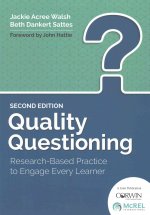
Quality Questioning
672 Kč -

First Little Readers: Guided Reading Level C (Parent Pack)
425 Kč -

First Little Readers Parent Pack: Guided Reading Level B
251 Kč -
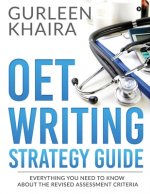
OET Writing Strategy Guide
506 Kč -
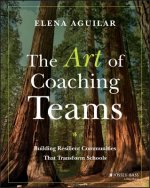
Art of Coaching Teams - Building Resilient Communities that Transform Schools
599 Kč -

The Naked Roommate
319 Kč -

Mine the Gap for Mathematical Understanding, Grades K-2
672 Kč -
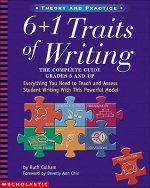
6 + 1 Traits of Writing
525 Kč -

Mine the Gap for Mathematical Understanding, Grades 6-8
774 Kč -

Lesson Planning Tweaks for Teachers
531 Kč -

Negotiation for All
498 Kč -

Mine the Gap for Mathematical Understanding, Grades 3-5
672 Kč -

Smartest Kids in the World
276 Kč -

You, Your Child, and School
297 Kč -

Onward - Cultivating Emotional Resilience in Educators
599 Kč -

How to Win at College
319 Kč -

Form Drawing and Colouring
336 Kč -

Whatever Happened to Margo?
226 Kč -
Basic Montessori
335 Kč -

Lean Lesson Planning
423 Kč -
Hundred Languages of Children
929 Kč -
Visible Learning: Feedback
904 Kč -

Battle Hymn of the Tiger Teachers
683 Kč -

Secret Art of Passing the Ib Diploma
754 Kč -

Frogs into Princes
729 Kč -
Leverage Leadership 2.0
768 Kč -
New Yorker Book of Teacher Cartoons
465 Kč -
Dynamic Evaluation of Motor Speech Skills (DEMSS) Manual
3743 Kč -
Handbook of Test Development
3924 Kč -

School Reform From the Inside Out
896 Kč -

Pearson REVISE Edexcel GCSE Maths Higher Guided Revision Workbook - 2023 and 2024 exams
236 Kč -
Reflection Guide to The Impact Cycle
465 Kč -

OCA/OCP Java SE 8 Programmer Certification Kit
1658 Kč -

Rich Dad Poor Dad
477 Kč -
Outcomes Intermediate: Workbook with CD
671 Kč -
How to Be Heard
318 Kč -
Responsive Teaching
629 Kč -

Rudolf Steiner's Curriculum for Steiner-Waldorf Schools
765 Kč -

On the Nature of the Psyche
508 Kč -

Concept-Based Curriculum and Instruction for the Thinking Classroom
734 Kč -
Kallis' TOEFL iBT Pattern Speaking 1
384 Kč -
Kallis' TOEFL iBT Pattern Reading 1
384 Kč -

Building Foundations of Scientific Understanding
980 Kč -

Minds of Boys
318 Kč -
Innovator's Mindset
442 Kč -

Pearson REVISE Edexcel GCSE English Language Guided Revision Workbook - 2023 and 2024 exams
211 Kč -

Forest School for All
1052 Kč -
Still Failing at Fairness
436 Kč
Osobní odběr Praha, Brno a 46632 dalších
Copyright ©2008-26 nejlevnejsi-knihy.cz Všechna práva vyhrazenaSoukromíCookies

 Vrácení do měsíce
 571 999 099 (8-15.30h)