Kód: 09083609
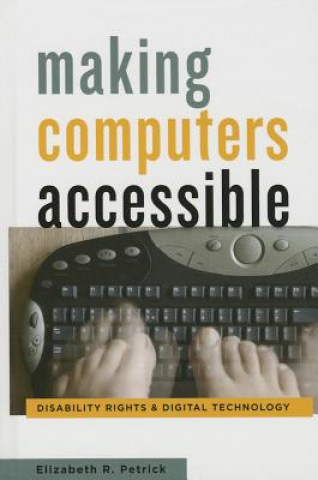
Making Computers Accessible
Autor Elizabeth R. Petrick
In 1974, not long after developing the first universal optical character recognition technology, Raymond Kurzweil struck up a conversation with a blind man on a flight. Kurzweil explained that he was searching for a use for his ne ... celý popis


- Jazyk:
 Angličtina
 - Vazba: Pevná
- Počet stran: 208
Nakladatelství: Johns Hopkins University Press, 2015
- Více informací o knize

1327 Kč

Skladem u dodavatele v malém množství
Odesíláme za 11-15 dnů
Potřebujete více kusů?Máte-li zájem o více kusů, prověřte, prosím, nejprve dostupnost titulu na naši zákaznické podpoře.
Přidat mezi přání
Mohlo by se vám také líbit
-

Miraculous Journey of Edward Tulane
178 Kč -

Autobiography of Benjamin Franklin
225 Kč -

Love from Giraffes Can't Dance
175 Kč -

Increasing Autodesk Revit Productivity for BIM Projects
1143 Kč -

The Sociology of Play, Recreation, and Leisure Time
598 Kč -

AGENDA ANUAL SEMANAL 2024 ISA MUGURUZA***
373 Kč -

Familie an Der Schwelle Zum Neuen Jahrtausend
1468 Kč -

Islam, Gender, and Democracy in Comparative Perspective
791 Kč -

A Taytsh Manifesto – Yiddish, Translation, and the Making of Modern Jewish Culture
1017 Kč -

Sir Prise
408 Kč -

Analyse de la Liqueur Bayer Par R fractom trie Dispersive
1338 Kč -

Experiencing Stanislavsky Today
5287 Kč -

Histoire Du Pere Vieyra, Jesuite Portugais, Missionnaire Dans l'Ancien Et Le Nouveau Monde
445 Kč -

Faded Love
227 Kč
Darujte tuto knihu ještě dnes
- Objednejte knihu a zvolte Zaslat jako dárek.
- Obratem obdržíte darovací poukaz na knihu, který můžete ihned předat obdarovanému.
- Knihu zašleme na adresu obdarovaného, o nic se nestaráte.
Více informací o knize Making Computers Accessible
Nákupem získáte 133 bodů
 Anotace knihy
In 1974, not long after developing the first universal optical character recognition technology, Raymond Kurzweil struck up a conversation with a blind man on a flight. Kurzweil explained that he was searching for a use for his new software. The blind man expressed interest: One of the frustrating obstacles that blind people grappled with, he said, was that no computer program could translate text into speech. Inspired by this chance meeting, Kurzweil decided that he must put his new innovation to work to "overcome this principal handicap of blindness." By 1976, he had built a working prototype, which he dubbed the Kurzweil Reading Machine. This type of innovation demonstrated the possibilities of computers to dramatically improve the lives of people living with disabilities. In Making Computers Accessible, Elizabeth R. Petrick tells the compelling story of how computer engineers and corporations gradually became aware of the need to make computers accessible for all people. Motivated by user feedback and prompted by legislation such as the Americans with Disabilities Act, which offered the promise of equal rights via technological accommodation, companies developed sophisticated computerized devices and software to bridge the accessibility gap. People with disabilities, Petrick argues, are paradigmatic computer users, demonstrating the personal computer's potential to augment human abilities and provide for new forms of social, professional, and political participation. Bridging the history of technology, science and technology studies, and disability studies, this book traces the psychological, cultural, and economic evolution of a consumer culture aimed at individuals with disabilities, who increasingly rely on personal computers to make their lives richer and more interconnected.
Parametry knihy
Zařazení knihy Knihy v angličtině Society & social sciences Society & culture: general Social issues & processes
1327 Kč
- Plný název: Making Computers Accessible
- Podnázev: Disability Rights and Digital Technology
- Autor: Elizabeth R. Petrick
- Jazyk: Angličtina
- Vazba: Pevná
- Počet stran: 208
- EAN: 9781421416465
- ISBN: 1421416468
- ID: 09083609
- Nakladatelství: Johns Hopkins University Press
- Hmotnost: 410 g
- Rozměry: 160 × 236 × 19 mm
- Datum vydání: 22. May 2015
Oblíbené z jiného soudku
-

Pedagogy of the Oppressed
235 Kč -

The Second Sex
178 Kč -

Women & Power
205 Kč -

Female Eunuch
293 Kč -

The Beauty Myth
153 Kč -

Where Is Ana Mendieta?
427 Kč -

Golden Cage
816 Kč -

Psychedelic Gospels
351 Kč -

Spirit Level
293 Kč -

Dreamland
334 Kč -

Power Manual
415 Kč -

Feminism, Media, and the Law
1176 Kč -

What Do Women Want?
362 Kč -

Leisure: The Basis of Culture
341 Kč -

Regarding the Pain of Others
270 Kč -

The Feminine Mystique
235 Kč -

Second Sex
512 Kč -

Staying with the Trouble
631 Kč -

Shock Doctrine
358 Kč -

Pleasure Activism
351 Kč -

Blitzed
276 Kč -

Miami
267 Kč -

Vindication of the Rights of Woman
153 Kč -

Superforecasting
235 Kč -

Master's Tools Will Never Dismantle the Master's House
96 Kč -

Alone Together
365 Kč -

Psychopath Free
363 Kč -

Toxic Parents
381 Kč -

Zeros and Ones
231 Kč -

Chronology of Water
235 Kč -

The Divide
260 Kč -

Alcoholics Anonymous Big Book
598 Kč -

Everyday Sexism
227 Kč -

Soft Power
319 Kč -

Manifestly Haraway
334 Kč -

Down and Out in Paris and London
205 Kč -

Rebel Witch
383 Kč -

Singularity Is Near
428 Kč -

Acid Dreams
319 Kč -

Violence
260 Kč -

Room of One's Own and Three Guineas (Vintage Classics Woolf Series)
219 Kč -

Bananas, Beaches and Bases
722 Kč -

Not God
332 Kč -

Garden Party And Other Stories
276 Kč -

The Lucifer Effect
358 Kč -
Rational Optimist
334 Kč -

Bodies That Matter
674 Kč -

The Next 100 Years
293 Kč -

Your Silence Will Not Protect You
314 Kč
Osobní odběr Praha, Brno a 46566 dalších
Copyright ©2008-26 nejlevnejsi-knihy.cz Všechna práva vyhrazenaSoukromíCookies

 Vrácení do měsíce
 571 999 099 (8-15.30h)