Kód: 04617470
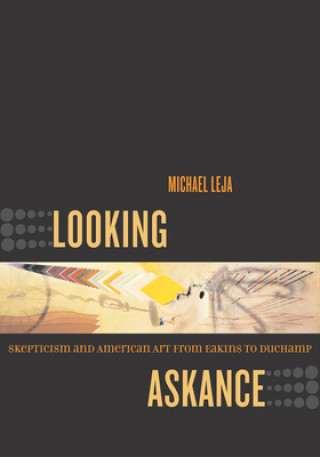
Looking Askance
Autor Michael Leja
If seeing ever really was a reason for believing, it surely was not in New York around 1900. The rift between appearances and truth was widening: deceptive images flourished in advertising and mass media; science contradicted unai ... celý popis


- Jazyk:
 Angličtina
 - Vazba: Brožovaná
- Počet stran: 337
Nakladatelství: University of California Press, 2007
- Více informací o knize

2896 Kč
Dostupnost:
50 % šance Máme informaci, že by titul mohl být dostupný. Na základě vaší objednávky se ho pokusíme do 6 týdnů zajistit.
Prohledáme celý svět
Mohlo by se vám také líbit
-
ALL ABOUT LOVE
349 Kč -

MADK 1
159 Kč -

Il mio piccolo Mozart
295 Kč -

100 recettes de salades
110 Kč -

Microwave Cooking for One
341 Kč -

No One Likes Us, We Don't Care
932 Kč -
Art and Culture
747 Kč -

Research Handbook on Hedge Funds, Private Equity and Alternative Investments
1994 Kč -

Footprints 4 Audio CDx4
856 Kč -

Los siete duelos de la migración y la interculturalidad
715 Kč -

Backyard Goat
371 Kč -
Random Non-Random Periodic Fau
4083 Kč -
Reading Abstract Expressionism
1481 Kč -
Clement Greenberg, Late Writings
647 Kč -
Cursive Writing, Grades 2-3
153 Kč -

Wings Over Nebraska
358 Kč -

Unbroken Threads
325 Kč -

Montana Justice
666 Kč -

Underprivileged School Children and the Assault on Dignity
5651 Kč -

Egon Hostovský. Literární dobrodružství českého židovského spisovatele ve 20. století
168 Kč -

Notes on Bach
339 Kč -

Diese Frauen
557 Kč -

Die Grosse Revolution. Ein Mondroman
509 Kč -
Francesc Ferré
263 Kč -

Kinder stärken in Sprache(n) und Kommunikation
592 Kč -

"Non-canonical" Religious Texts in Early Judaism and Early Christianity
4193 Kč -

Aestheticizing Public Space
1338 Kč -

Seven Themes You Can't Escape: How Our Deepest Longings Keep Showing Up in Story
258 Kč -

I Care about My Friends
221 Kč -
Cette éternelle nostalgie
993 Kč -

China Under the Search Light
504 Kč -
Tre passi per un delitto
464 Kč -
Caverns of Crail
521 Kč -
History of Genii and Familiar Spirits
458 Kč -
Philosophy of symbolic forms in Meluhha cipher
651 Kč -
Progresint 22, memoria y estrategias de aprendizaje, 2 y 3 Educación Primaria
401 Kč -

Life Experience of a Self Respecting Black Man
387 Kč -

The Vegetarian Collection
479 Kč -
Alchemy of Teaching
318 Kč -

Identity Crisis: The Root of It's Beginning, You Can Overcome
590 Kč -

E-Business Mit Cloud Computing
715 Kč -

Saugues.Le Malzieu-Ville.Mont-Mouchet 1:25 000
450 Kč -

Better Health in Africa Experience & Lessons Le
636 Kč -

Heidelberger Taschenbücher
1595 Kč -

Cuentos de la abuela de todo el mundo
403 Kč -

Kaffee
1178 Kč -
Communications in the Building Industry
7432 Kč -
Phantasiestucke, Op. 12
387 Kč -

Contact Talk
1452 Kč
Darujte tuto knihu ještě dnes
- Objednejte knihu a zvolte Zaslat jako dárek.
- Obratem obdržíte darovací poukaz na knihu, který můžete ihned předat obdarovanému.
- Knihu zašleme na adresu obdarovaného, o nic se nestaráte.
Informovat o naskladnění knihy
Zadejte do formuláře e-mailovou adresu a jakmile knihu naskladníme, zašleme vám o tom zprávu. Pohlídáme vše za vás.
Více informací o knize Looking Askance
Nákupem získáte 290 bodů
 Anotace knihy
If seeing ever really was a reason for believing, it surely was not in New York around 1900. The rift between appearances and truth was widening: deceptive images flourished in advertising and mass media; science contradicted unaided vision; the spirit world gained credibility; and hucksters, frauds, and hoaxes proliferated. In Looking Askance, Michael Leja conducts a dazzling tour from fine art to mass culture and back again to chart the emergence of a new skepticism about seeing and to assess the roles played by the visual arts, both fine and commercial, in this cultural transformation. A lively exploration of the relationship between modern art, truth, and deception, Looking Askance offers a new paradigm for understanding American visual culture, from the art of Thomas Eakins, William Harnett, and Marcel Duchamp to such fascinating historical episodes as the trial of spirit photographer William Mumler, scientist Helen Abbott's interpretation of Monet's Impressionism, the myriad illusions featured at the Buffalo World's Fair of 1901, and William James's analysis of automatic drawing. Leja traces the roots of skeptical seeing in the culture of modernity and in national values of entrepreneurship, invention, competition, and unregulated marketing. This brilliantly pluralistic study will resonate with a broad spectrum of multidisciplinary interests. Tracking the way questions about the nature of seeing inform self-constructions of the modern subject, Leja moves flexibly through a wide range of surprisingly diverse materials, linking spirit photography, world fairs, circuses, automatic drawing, realist painting, and Marcel Duchamp. In true skeptical fashion, Leja trains his eye on the ambiguities of his materials, refusing to let them settle into either a celebratory or a cynical narrative. Opposites are revealed as similar (P. T. Barnum's humbug and George Washington's truth-telling both play on the motif of deception), while humbugs manifest difference (a radical fear of dishonesty versus a source of delight). The final illuminating shift in this complex study is thus from the modern need to negotiate multiple and layered realities to the manifold optical lenses of Leja's own kaleidoscopic approach.
Parametry knihy
Zařazení knihy Knihy v angličtině The arts The arts: general issues
2896 Kč
- Plný název: Looking Askance
- Podnázev: Skepticism and American Art from Eakins to Duchamp
- Autor: Michael Leja
- Jazyk: Angličtina
- Vazba: Brožovaná
- Počet stran: 337
- EAN: 9780520249967
- ISBN: 0520249968
- ID: 04617470
- Nakladatelství: University of California Press
- Hmotnost: 936 g
- Rozměry: 181 × 254 × 22 mm
- Datum vydání: 13. March 2007
Oblíbené z jiného soudku
-

Tales from the Midnight Masquerade Coloring Book
303 Kč -
Nude Posing Guide
176 Kč -
Doodle Invasion
278 Kč -
Der Klang der Familie
309 Kč -
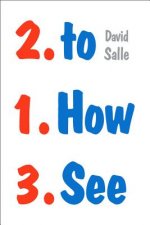
How to See
303 Kč -

Elizabethan Globalism - England, China and the Rainbow Portrait
1273 Kč -
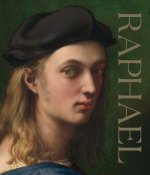
Raphael
992 Kč -
Man Art Uncut
620 Kč -
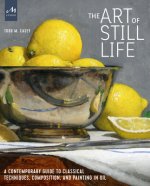
The Art of Still Life
723 Kč -
How to Paint Landscapes Quickly and Beautifully in Watercolor and Gouache
532 Kč -
Figure Drawing Atelier
435 Kč -
Blade: King of Graffiti
649 Kč -

Patterns of India
490 Kč -
Kazan on Directing
335 Kč -
Bosch. The Complete Works
1454 Kč -
Katsuya Terada Real Size
910 Kč -
Aesthetics Volume I
490 Kč -

Treasures of Venice Pop-Up
400 Kč -
Trees
1244 Kč -
Vincent Price Presents
172 Kč -

Teaching Ballet Creatively
372 Kč -
Ithell Colquhoun
616 Kč -

Framed Drawing Techniques
489 Kč -
Redouté. Roses
370 Kč -
Practical Color Combinations
412 Kč -
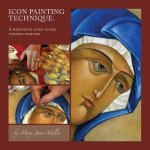
Icon Painting Technique
597 Kč -
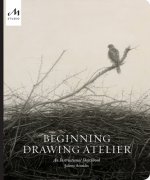
Beginning Drawing Atelier
621 Kč -
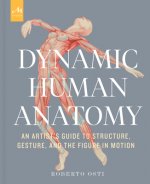
Dynamic Human Anatomy
723 Kč -
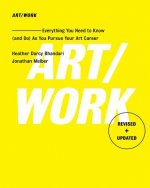
Art/Work - Revised & Updated
365 Kč -

Field Guide to Color
489 Kč -
Seven Days in the Art World
321 Kč -
Art Book, revised edition
701 Kč -
Flash from the Bowery: Classic American Tatto, 1900-1950
1660 Kč -

New York City Graffiti: The Destiny Children
1162 Kč -

Medieval Cookbook - Revised Edition
431 Kč -

Craft Of The Japanese Sword
919 Kč -

Anthony Van Dyck and the Art of Portraiture
1009 Kč -

How to Read Chinese Ceramics
459 Kč -

Edgar Degas - Drawings and Pastels
686 Kč -
Manga! Manga!: The World Of Japanese Comics
469 Kč -
Art of Horror
943 Kč -
Cave Temples of Mogao at Dunhuang
746 Kč -
Lucian Freud: Monumental
1305 Kč -
Japanese Calligraphy
467 Kč -

God's Man, A Novel in Woodcuts
288 Kč -
How Art Can Make You Happy
260 Kč -

Progressive/Djent Drumming
322 Kč -
Inside Art Deco: A Pictorial Tour of Deco Interiors from their Origins to Today
802 Kč -
How to Read Islamic Calligraphy
488 Kč
Osobní odběr Praha, Brno a 48137 dalších
Copyright ©2008-26 nejlevnejsi-knihy.cz Všechna práva vyhrazenaSoukromíCookies

 Vrácení do měsíce
 571 999 099 (8-15.30h)