Kód: 46683754
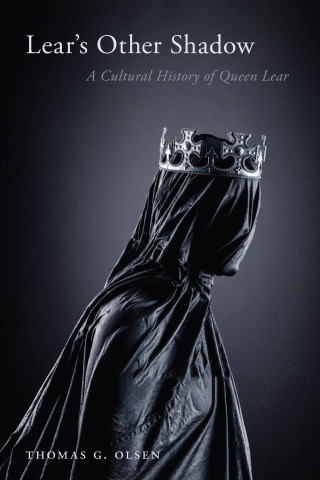
Lear's Other Shadow
Autor Olsen, Thomas G.
Lear's Other Shadow: A Cultural History of Queen Lear offers a deep cultural analysis of the figure of Queen Lear, who shadows and eventually sometimes overshadows her royal husband across the nearly one-thousand-year life of this ... celý popis


- Jazyk:
 Angličtina
 - Vazba: Brožovaná
- Počet stran: 278
Nakladatelství: Univ of Chicago Behalf of Rutgers Univ Press, 2025
- Více informací o knize

796 Kč

Skladem u dodavatele v malém množství
Odesíláme za 13-18 dnů
Potřebujete více kusů?Máte-li zájem o více kusů, prověřte, prosím, nejprve dostupnost titulu na naši zákaznické podpoře.
Přidat mezi přání
Mohlo by se vám také líbit
-

Moonwalk
261 Kč -

The Score
248 Kč -

The Deal
248 Kč -

The Mistake
248 Kč -

Jujutsu Kaisen, Vol. 30
233 Kč -

Witch Hat Atelier: Grimoire Edition 1
777 Kč -

Invincible Compendium Volume 2
1123 Kč -

Berserk Deluxe Volume 1
804 Kč -

The Goal
321 Kč -

Berserk Deluxe Volume 2
862 Kč -

Invincible Compendium Volume 1
1305 Kč -

Witch Hat Atelier Manga Box Set 1
1241 Kč -

Heated Rivalry
227 Kč -

Moonwalk: A Memoir
517 Kč -

Murdoku
380 Kč -
Lord of Mysteries, Vol. 3: The Clown, Part III
355 Kč -

Jujutsu Kaisen, Vol. 25
240 Kč -

White Nights
89 Kč -

Veil Volume 1
352 Kč -

Jujutsu Kaisen, Vol. 26
240 Kč -

Legacy
254 Kč
Darujte tuto knihu ještě dnes
- Objednejte knihu a zvolte Zaslat jako dárek.
- Obratem obdržíte darovací poukaz na knihu, který můžete ihned předat obdarovanému.
- Knihu zašleme na adresu obdarovaného, o nic se nestaráte.
Více informací o knize Lear's Other Shadow
Nákupem získáte 80 bodů
 Anotace knihy
Lear's Other Shadow: A Cultural History of Queen Lear offers a deep cultural analysis of the figure of Queen Lear, who shadows and eventually sometimes overshadows her royal husband across the nearly one-thousand-year life of this archetypal tale. What appears to be a deliberate strategy of suppression, even erasure in Shakespeare's King Lear later inspired dozens of stage, page, and cinematic remakes and adaptations in which this figure is revived or remembered, often pointedly so. From Jacob Gordin's Yiddish-language Miriele Efros (1898), through edgy stage remakes such as Gordon Bottomley's King Lear's Wife (1915) and the Women's Theatre Group's Lear's Daughters (1987), to novelized retellings from Jane Smiley's A Thousand Acres (1991) to Preti Taneja's We That Are Young (2018) and J. R. Thorp's Learwife (2021), and even the television series Empire (2015-2020) and Succession (2018-2023), Queen Lear regularly emerges from her shadowy origins to challenge how we understand the ancient King Leir/King Lear story. These and many other examples reveal fascinating patterns of adaptation and reinterpretation that Lear's Other Shadow identifies and analyzes for the first time, showing how and why Queen Lear is at the center of this ancient story, whether she is heard from or not.
Parametry knihy
Zařazení knihy Knihy v němčině Geisteswissenschaften, Kunst, Musik Pädagogik Schulpädagogik, Didaktik, Methodik
796 Kč
- Plný název: Lear's Other Shadow
- Autor: Olsen, Thomas G.
- Jazyk: Angličtina
- Vazba: Brožovaná
- Počet stran: 278
- EAN: 9781644533550
- ISBN: 1644533553
- ID: 46683754
- Nakladatelství: Univ of Chicago Behalf of Rutgers Univ Press
- Hmotnost: 454 g
- Datum vydání: 11. March 2025
Osobní odběr Praha, Brno a 46876 dalších
Copyright ©2008-26 nejlevnejsi-knihy.cz Všechna práva vyhrazenaSoukromíCookies

 Vrácení do měsíce
 571 999 099 (8-15.30h)