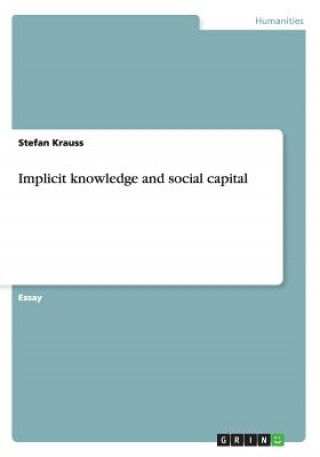
Kód: 05285092
Implicit Knowledge and Social Capital
Autor Stefan Krauss
Essay from the year 2004 in the subject Philosophy - Miscellaneous, grade: HD, Murdoch University (Institute for Sustainability and Technology Policy), course: Self, Sustainability and Society, language: English, comment: Non-expl ... celý popis


- Jazyk:
 Angličtina
 - Vazba: Brožovaná
- Počet stran: 16
Nakladatelství: Grin Verlag, 2014
- Více informací o knize


Mohlo by se vám také líbit
-

How to Grow a Dinosaur
183 Kč -

Central Park
309 Kč -

Speak to Sell: Persuade, Influence, and Establish Authority & Promote Your Products, Services, Practice, Business, or Cause
412 Kč -

Introduzione alla Meccanica dei Fluidi per Applicazioni Cardiovascolari
1332 Kč -
Photographische Einzelaufnahmen antiker Skulpturen nach Auswahl und mit Text
752 Kč -

Water Age Children's Art & Writing Workshops
175 Kč -

TRANSICION POLITICA Y CONSOLIDACION CONSTITUCIONAL DE LOS PARTIDOS POLITICOS
374 Kč -

AEgyptische Chronologie
368 Kč -

Oxford Picture Dictionary for the Content Areas: Reproducible Math and Technology
1828 Kč -

Kontraktmanagement
369 Kč -

Physik Na klar! - Sekundarschule Sachsen-Anhalt - 7./8. Schuljahr
811 Kč -

Coup d'Oeil Sur l'Assistance
402 Kč -

Ants are Assiduous Arthropods
359 Kč -

Silvia e gli altri
393 Kč -

Trade Marks and Competition Law
3369 Kč -

Ohrenzeuge
158 Kč -

Westport
442 Kč -

Even If You Don't...
468 Kč -

Cross Cultural Perspectives in Child Advocacy
1308 Kč -

Obedience, the Daring and Determined Way to It
400 Kč -

Wünsch dich schlank
207 Kč
Darujte tuto knihu ještě dnes
- Objednejte knihu a zvolte Zaslat jako dárek.
- Obratem obdržíte darovací poukaz na knihu, který můžete ihned předat obdarovanému.
- Knihu zašleme na adresu obdarovaného, o nic se nestaráte.
Více informací o knize Implicit Knowledge and Social Capital
Nákupem získáte 33 bodů
 Anotace knihy
Essay from the year 2004 in the subject Philosophy - Miscellaneous, grade: HD, Murdoch University (Institute for Sustainability and Technology Policy), course: Self, Sustainability and Society, language: English, comment: Non-explicit knowledge is widely accepted as a matter of course however, in it's meaning strongly underestimated. So, this paper starts with a classic of implicit knowledge and continues by widening this concept into the social sphere. Finally, it brings together the concept of non-explicit knowledge with social capital and stresses its importance for sustainability. , abstract: The Brundtland report introduced in the 1980's the terminus Sustainability. In this term there is obviously much more included as simply eco friendly or environmentally sound. In the first instance, the term focuses on the discussion about the dealing with resources for the following generations. The popular three-pillar model of§sustainability illuminates that the idea of sustainability orientates besides on ecological as well on economical and on social criteria. Obviously, the former on environmental-ecological issues restricted theme is widened on social concerns. This paper focuses on the social sphere of sustainability. The participation in the net of social relations is the wholeness of the actual and potential resources and is called social capital (Bourdieu 1992). A developed social capital is needed to make a 'strong' democracy (Barber 1984) work; a form of democracy that involves extending and enriching the present system of representative democracy through participation of interested citizens in the policy making process, strengthening a culture of deliberation and discussion, such that politics is seen as a communal learning process rather than a rivalry between fixed interests. It will be shown t hat the relationships between people are the bearer of social capital.§These relationships, the core of the social, are formed by non-explicit knowledge. Non-explicit knowledge is widely accepted as a matter of course however, in it's meaning strongly underestimated. So, this paper starts with a classic of implicit knowledge (? 1) and continues by widening this concept into the social sphere (? 2). Finally, it brings§together the concept of non-explicit knowledge with social capital and stresses its importance for sustainability (? 3).
Parametry knihy
Zařazení knihy Knihy v angličtině Humanities Philosophy
328 Kč
- Plný název: Implicit Knowledge and Social Capital
- Autor: Stefan Krauss
- Jazyk: Angličtina
- Vazba: Brožovaná
- Počet stran: 16
- EAN: 9783656687085
- ISBN: 3656687080
- ID: 05285092
- Nakladatelství: Grin Verlag
- Hmotnost: 45 g
- Rozměry: 254 × 178 × 1 mm
- Datum vydání: 15. July 2014
Oblíbené z jiného soudku
-

The Conspiracy Against the Human Race
301 Kč -

Philosophy of Zen Buddhism
361 Kč -
Imitation of Christ
95 Kč -
I Am a Strange Loop
365 Kč -
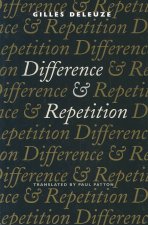
Difference and Repetition
442 Kč -
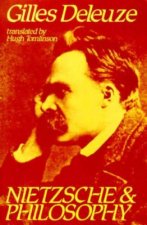
Nietzsche and Philosophy
442 Kč -

Republic
496 Kč -

Teachings of Don Juan
194 Kč -

Sexual Secrets: Twentieth Anniversary Edition
692 Kč -

On Ideology
287 Kč -

Use of Pleasure
303 Kč -

Wisdom of Yoga
335 Kč -

Three Critiques, 3-volume Set
1984 Kč -
Letters from a Stoic - The Ancient Classic
255 Kč -

What Does It All Mean?
765 Kč -

I am That
889 Kč -

Men Among the Ruins
441 Kč -

One-Dimensional Man
412 Kč -

How the World Thinks
244 Kč -

Simulations
261 Kč -

In Search of Being
482 Kč -

Science, Politics & Gnosticism
250 Kč -

Art of Worldly Wisdom
237 Kč -
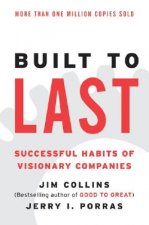
Built to Last
381 Kč -

Mortal Questions
350 Kč -

Illuminations
260 Kč -

Philosophical Dictionary
274 Kč -

On Liberty
154 Kč -
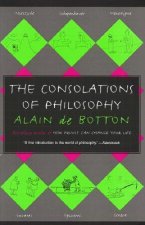
The Consolations of Philosophy
319 Kč -
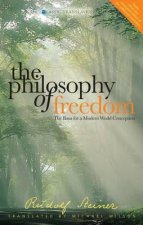
Philosophy of Freedom
337 Kč -

Technics and Time, 2
618 Kč -

Antichrist
95 Kč -

Machiavelli: The Art of Teaching People What to Fear
313 Kč -

Monkey Business
358 Kč -

Mode One
554 Kč -
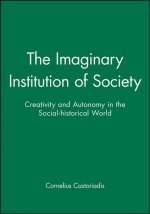
Imaginary Institution of Society
706 Kč -

Hidden Third
323 Kč -

For the Time Being
303 Kč -
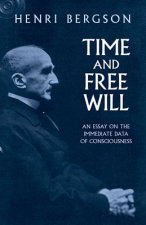
Time and Free Will: an Essay on the
291 Kč -
Infocracy: Digitization and the Crisis of Democrac y
391 Kč -

Bhagavad Gita as it is
374 Kč -

Human Happiness
190 Kč -

Sacred Dance Meditations
435 Kč -

Upside down: a Primer for the Looking-Glass World
428 Kč -

People's History Of Civilization
297 Kč -

Expanse and Philosophy - So Far Out Into the Darkness
396 Kč -

Ultimate Star Trek and Philosophy
318 Kč -

German Idealism
1311 Kč -

Spinoza
505 Kč
Osobní odběr Praha, Brno a 46029 dalších
Copyright ©2008-26 nejlevnejsi-knihy.cz Všechna práva vyhrazenaSoukromíCookies

 Vrácení do měsíce
 571 999 099 (8-15.30h)