
Kód: 04113955
How to Read Historical Mathematics
Autor Benjamin Wardhaugh
Writings by early mathematicians feature language and notations that are quite different from what we're familiar with today. Sourcebooks on the history of mathematics provide some guidance, but what has been lacking is a guide ta ... celý popis


- Jazyk:
 Angličtina
- Vazba: Pevná
- Počet stran: 136
Nakladatelství: Princeton University Press, 2010
- Více informací o knize


Mohlo by se vám také líbit
-

Moving Day
455 Kč -

Le chevalier de Maison-Rouge
289 Kč -

Preghiere di ogni giorno
76 Kč -

Dragon and Chameleon 01
231 Kč -

Matčin hrob
382 Kč -

Allegro
453 Kč -

Amazing Malaysian
668 Kč -

The Booksellers - Aus Liebe zum Buch
529 Kč -

Linux Philosophy for SysAdmins
1395 Kč -

Heart of My Monster. Monster Trilogy. Tom 3
263 Kč -

Decolonizing Anthropology: Moving Further Toward an Anthropology for Liberation
364 Kč -

Top Trumps die Schule der Magischen Tiere
169 Kč -

Science and Hypothesis: Science Et l'Hypoth
285 Kč -

Interventionsmöglichkeiten im Rollenspiel. Der systemische Ansatz in der Psychotherapie
328 Kč -

Dorothy Parker
795 Kč -

Edouard Glissant and Postcolonial Theory
2060 Kč -

Situated Listening
2247 Kč -

A l'école de l'autonomie
572 Kč -

BAD GIRLS
617 Kč -

Practical Transfusion Medicine for the Small l Practitioner, Second Edition
1582 Kč -

Biochemistry of Nickel
4705 Kč -

Horsefly Hank and the Osage War Shield
155 Kč -

Satisfacao do consumidor, rentabilidade e valor ao acionista
1937 Kč -

Mandi and a Rot Roo
456 Kč -

COMMON CORE WRITING Persuasive Writing Workbook: A Complete Guide to Writing Opinion Pieces Grade 3
495 Kč -

Clinical Biochemistry and Drug Development
4227 Kč -

John Howes' Manuscript 1582
591 Kč -

l'obsidienne
584 Kč -

For our Country. An ode, as Presented to the Right Honourable William Pitt ... Published by Order of the Managers and Proprietors of the Antigallican
636 Kč -

Gesund lernen - gesund leben - gesund pflegen
813 Kč -

It Is the Same Light
421 Kč -

ITIL et business services management
1320 Kč -

Japan
2356 Kč -

Using Corpora to Analyze Gender
5903 Kč -

The Modern Dairy and Cowkeeper
497 Kč
Darujte tuto knihu ještě dnes
- Objednejte knihu a zvolte Zaslat jako dárek.
- Obratem obdržíte darovací poukaz na knihu, který můžete ihned předat obdarovanému.
- Knihu zašleme na adresu obdarovaného, o nic se nestaráte.
Více informací o knize How to Read Historical Mathematics
Nákupem získáte 133 bodů
 Anotace knihy

Writings by early mathematicians feature language and notations that are quite different from what we're familiar with today. Sourcebooks on the history of mathematics provide some guidance, but what has been lacking is a guide tailored to the needs of readers approaching these writings for the first time. How to Read Historical Mathematics fills this gap by introducing readers to the analytical questions historians ask when deciphering historical texts. Sampling actual writings from the history of mathematics, Benjamin Wardhaugh reveals the questions that will unlock the meaning and significance of a given text--Who wrote it, why, and for whom? What was its author's intended meaning? How did it reach its present form? Is it original or a translation? Why is it important today? Wardhaugh teaches readers to think about what the original text might have looked like, to consider where and when it was written, and to formulate questions of their own. Readers pick up new skills with each chapter, and gain the confidence and analytical sophistication needed to tackle virtually any text in the history of mathematics. Introduces readers to the methods of textual analysis used by historians Uses actual source material as examples Features boxed summaries, discussion questions, and suggestions for further reading Supplements all major sourcebooks in mathematics history Designed for easy reference Ideal for students and teachers
Parametry knihy
Zařazení knihy Knihy v angličtině Mathematics & science Mathematics History of mathematics
1328 Kč
- Plný název: How to Read Historical Mathematics
- Autor: Benjamin Wardhaugh
- Jazyk: Angličtina
- Vazba: Pevná
- Počet stran: 136
- EAN: 9780691140148
- ISBN: 0691140146
- ID: 04113955
- Nakladatelství: Princeton University Press
- Hmotnost: 262 g
- Rozměry: 211 × 131 × 11 mm
- Datum vydání: 21. March 2010
Oblíbené z jiného soudku
-
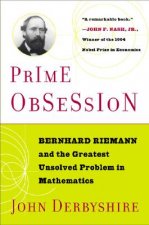
Prime Obsession
328 Kč -
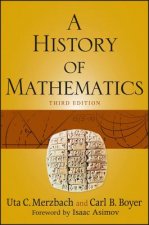
History of Mathematics
694 Kč -
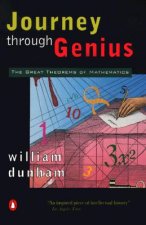
Journey through Genius
327 Kč -
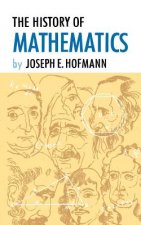
History of Mathematics
279 Kč -
Euler's Gem
401 Kč -
History of Mathematics: A Very Short Introduction
231 Kč -

Beautiful Question
335 Kč -

The Renaissance of Astronomy, 2 Teile
6585 Kč -

Ramified Surfaces
1299 Kč -

Geschichten aus der Mathematik
713 Kč -
Adventures of a Mathematician
609 Kč -
Math Book
597 Kč -
Music by the Numbers
534 Kč -
Problems Of Philosophy
243 Kč -
Dr. Euler's Fabulous Formula
422 Kč -
Euler's Gem
537 Kč -

Collected Papers of Srinivasa Ramanujan
1433 Kč -

Fibonacci's Liber Abaci
1853 Kč -
Synopsis of Elementary Results in Pure and Applied Mathematics: Volume 2
1913 Kč -
Mathematics
1544 Kč -
Works of Archimedes
220 Kč -
Philosophiae Naturalis Principia Mathematica (Latin,1687)
914 Kč -
Synopsis of Elementary Results in Pure and Applied Mathematics: Volume 1
922 Kč -

Collected Works of Bernhard Riemann
903 Kč -
Cult of Pythagoras, The
693 Kč -

Leonhard Euler
1392 Kč -

History and Practice of Ancient Astronomy
4132 Kč -

Introduction to the Foundations of Mathematics
452 Kč -

Infinite Ascent
402 Kč -

Abel's Proof
768 Kč -

The Jewish Mathematical Diaspora from Fascist Italy
2995 Kč -

Taming the Infinite
314 Kč -
Introduction to Mathematical Philosophy
256 Kč -

Fields Medallists' Lectures (Third Edition)
1959 Kč -

Turing Guide
646 Kč -

It All Adds Up
244 Kč -

Al Khwarizmi
2012 Kč -

Eine Entdeckungsreise in die Welt des Unendlichen
714 Kč -
Edmond Halley's Reconstruction of the Lost Book of Apollonius's Conics
2591 Kč -
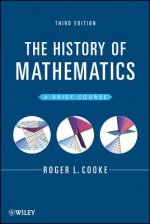
History of Mathematics - A Brief Course 3e
4375 Kč -

Power-Up
932 Kč -
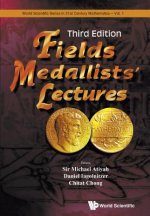
Fields Medallists' Lectures (Third Edition)
1467 Kč -
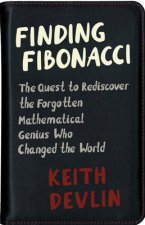
Finding Fibonacci
932 Kč -

Kurt Gödel
710 Kč -

Pascal's Arithmetical Triangle
302 Kč -

History of Modern Mathematics
301 Kč -
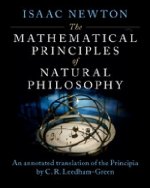
Mathematical Principles of Natural Philosophy
7355 Kč -

Kurt Gödel
1052 Kč -

Delicate Balance: Global Perspectives on Innovation and Tradition in the History of Mathematics
2356 Kč
Osobní odběr Praha, Brno a 48600 dalších
Copyright ©2008-26 nejlevnejsi-knihy.cz Všechna práva vyhrazenaSoukromíCookies

 Vrácení do měsíce
 571 999 099 (8-15.30h)
