Kód: 01253706
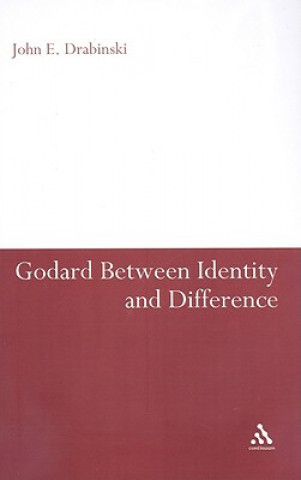
Godard Between Identity and Difference
Autor John E Drabinski
The overarching argument of the book is that Godard's conception and practice of cinematic language opens new, important possibilities for thinking about radical alterity. This book reads a series of Godard films as interventions ... celý popis


- Jazyk:
 Angličtina
 - Vazba: Pevná
- Počet stran: 176
Nakladatelství: Bloomsbury Publishing, 2008
- Více informací o knize


Mohlo by se vám také líbit
-

Tea Leaf Fortune Cards
558 Kč -

NEW Worst-Case Scenario Survival Handbook
334 Kč -

Pokemon Adventures: Black and White, Vol. 7
221 Kč -

Ravage
415 Kč -
Eynhallow
302 Kč -
Run for Your Wife
413 Kč -

Thursday (Worst Week Ever #4)
148 Kč -

Culpa nuestra (Culpables 3)
272 Kč -

Básně
197 Kč -

Granica
116 Kč -

Přehled dějin literatury 2 pro střední školy
122 Kč -

Domček jedným ťahom
222 Kč -

Vlčice
297 Kč -

Understanding Minor Piece Endgames
618 Kč -

Gehen
188 Kč -
The Play of the Eyes
491 Kč -

Surfing and Other Extreme Water Sports
187 Kč -

Plant Equipment & Maintenance Engineering Handbook
4356 Kč -

Disparities
995 Kč -

Golden Age Spain
1073 Kč -

Handling the Undead
267 Kč -

Schritte plus Neu - Glossar Deutsch-Arabisch. Bd.1+2
243 Kč -

Adhd
358 Kč -

Copts of Egypt
1102 Kč -

Tuscarora Nation
474 Kč -

Cambridge History of Philosophy in the Nineteenth Century (1790-1870)
3192 Kč -

Super Ace and the Space Traffic Jam
144 Kč -

Witchful Thinking
341 Kč -

The Smell of Kerosene: A Test Pilot's Odyssey
340 Kč -

Campaign and Party Finance in North America and Western Europe
4967 Kč -

Life at the Top
470 Kč -

Schoolhouse
361 Kč -

Back To Balance
532 Kč -

All These Things That I've Done: My Insane, Improbable Rock Life
456 Kč -

Reading Mastery Classic Level 2, Benchmark Test Package (for 15 students)
4234 Kč -

History of the Presbyterian Church in the United States of America
924 Kč -

The Girl in the Love Song
341 Kč -
Heavenly Bodies
361 Kč -

Worlds Apart
2647 Kč -

Resistance and Control in Pakistan
1619 Kč -
How to Pass the RACP Written and Clinical Exams
1357 Kč -

Emma in Paris
314 Kč -

Heinz Koster
1086 Kč -

Antibacterial Study of Metal Nanoparticles
997 Kč -
Who's Who 2014
10062 Kč -

Pieces of Perspective
381 Kč -

Concrete Usage in the London 2012 Olympic Park and the Olympic and Paralympic Village and its Embodied Carbon Content
1194 Kč -

Geschichte Russlands und Peters des Grossen
1419 Kč -

Problem-Solving Courts and the Criminal Justice System
2395 Kč -

Yellowstone's Wildlife in Transition
1586 Kč -

Arden / D'Arcy Plays: 1
671 Kč -
Potassium Channels in Cardiovascular Biology
4707 Kč -

Dein Lehrerstarter-Kit
435 Kč -

You Will Live Forever
277 Kč -
Help I'm a Mom
343 Kč -
Changing Images of Civil Society
3276 Kč -

Other Barack
483 Kč -

Constructing Sustainable Development
761 Kč -

Burley's United States Centennial Gazetteer and Guide, 1876
1054 Kč -
Introduction to Queueing Systems
3532 Kč -

Evangelisch-lutherisches Missionsblatt
587 Kč -

Chapas
316 Kč -

Reconciliarse con la propia sombra : el lado oscuro de la persona
339 Kč -

Cast Study Critique Report on Francis Report 2013 (Recommendation 15) About Mortality Statistics
369 Kč -
Biopacemaking
2357 Kč -

How to Survive Retirement
221 Kč -

Beneath Helvellyn's Shade. Notes and Sketches in the Valley of Wythburn.
528 Kč -

Unterschiede UGB und IFRS mit besonderem Bezug auf die Bewertung des Sachanlagevermoegens
512 Kč -

Wars of the Jews; Or, The History of the Destruction of Jerusalem
790 Kč -

Foreign Policy and the Bureaucratic Process
4531 Kč
Darujte tuto knihu ještě dnes
- Objednejte knihu a zvolte Zaslat jako dárek.
- Obratem obdržíte darovací poukaz na knihu, který můžete ihned předat obdarovanému.
- Knihu zašleme na adresu obdarovaného, o nic se nestaráte.
Více informací o knize Godard Between Identity and Difference
Nákupem získáte 390 bodů
 Anotace knihy
The overarching argument of the book is that Godard's conception and practice of cinematic language opens new, important possibilities for thinking about radical alterity. This book reads a series of Godard films as interventions in contemporary debate about the language of difference. Godard has something he wants both to preserve (singularity) and destroy (visual and aural totalitarianism). How is it possible to speak about the Other? How is it possible for the Other to speak? Does all speaking about or by the Other render that speaking common, thereby rendering what is different identical? These questions gather together a number of issues that cross and intersect disciplinary boundaries: signification, representation, ethics, politics.The problematics with which Drabinski is concerned begin in the debate between Levinas and Derrida, then later in dialogue with Blanchot and Irigaray. To this extent, Godard is particularly well-suited as an interlocutor. Godard's work, especially in the 1970s, is itself a self-conscious form of philosophy. His films theorize themselves, produce a reflexive sound-image language, and so in many ways match the very essence of philosophy: thought thinking thought.Still, the medium of sound and image complicates any rendering of Godard's work as philosophy. Godard produces a philosophically significant cinematic language rather than simply narrating or representing philosophical ideas in the medium of film. And this language must be taken seriously in the context of the problem of difference. For, if difference is concerned with signification as such, then the visual and aural retain equal rights with writing (and all questions obtaining therein).The nature of the debate in this project - how the language of alterity is possible or impossible - immediately breaks disciplinary borders between philosophy, literary theory, film studies and cultural studies. What it means to engage with film in this context, however, is complicated. To wit, there are two standard treatments of film in philosophy. Film is typically either an example of a philosophical position or philosophy is used to interpret motifs, characters, plot lines, etc. In neither case is film engaged as a form of philosophizing itself,that is, as a language engaged with philosophical problems. The aim of the project is to read Godard's work as primary texts, with all the attention due the idiosyncratic language of those texts. Framed by the debate about difference and signification, these primary texts register and resonate as transformative interventions.
Parametry knihy
Zařazení knihy Knihy v angličtině The arts Film, TV & radio Films, cinema
3898 Kč
- Plný název: Godard Between Identity and Difference
- Autor: John E Drabinski
- Jazyk: Angličtina
- Vazba: Pevná
- Počet stran: 176
- EAN: 9780826428066
- ISBN: 0826428061
- ID: 01253706
- Nakladatelství: Bloomsbury Publishing
- Hmotnost: 416 g
- Rozměry: 235 × 162 × 19 mm
- Datum vydání: 15. August 2008
Oblíbené z jiného soudku
-

The Animator's Survival Kit
594 Kč -

Lighting for Cinematography
867 Kč -

Stranger Things: The Ultimate Pop-Up Book
1249 Kč -

Hollywood Babylon
186 Kč -
The Illusion of Life : Disney Animation
1077 Kč -
Story
655 Kč -

Filmmaker's Handbook, The (fifth Edition)
723 Kč -

Lynch on Lynch
394 Kč -

WKW: The Cinema of Wong Kar Wai
1504 Kč -
Donnie Darko Book
319 Kč -

Star Trek: Light-Up Starship Enterprise
264 Kč -

Alien: The Blueprints
687 Kč -

The Art of Princess Mononoke
602 Kč -
How to Read a Film
552 Kč -

Star Wars - The Bounty Hunter Code
335 Kč -

Interstellar
445 Kč -
Vision
613 Kč -

Hidden Tools of Comedy
474 Kč -

Save the Cat! Goes to the Movies
474 Kč -

Film Book
424 Kč -

Costume Design 101
412 Kč -
Great Movies
392 Kč -

Psychology of Twilight
457 Kč -
Open Graves, Open Minds
714 Kč -
Anime Machine
668 Kč -

Sculpting in Time
762 Kč -

Alien Covenant: David's Drawings
800 Kč -

The Stanley Kubrick Archives
474 Kč -

On Directing Film
367 Kč -

Alien: The Archive - The Ultimate Guide to the Classic Movies
801 Kč -

Art of How to Train Your Dragon 2
703 Kč -
Movie Art of Syd Mead: Visual Futurist
728 Kč -

Star Wars - the Jedi Path
430 Kč -

100 All-Time Favorite Movies of the 20th Century
474 Kč -

Animator's Survival Kit
1211 Kč -

Hannibal Lecter and Philosophy
489 Kč -

Spiderman Into the Spider-Verse
728 Kč -

Eat What You Watch
358 Kč -

Jurassic Park
1032 Kč -
Godard On Godard
334 Kč -

On Film-making
365 Kč -

Art of The Secret World of Arrietty
568 Kč -

Jurassic World: The Ultimate Visual History
1102 Kč -

Fantastic Mr. Fox
678 Kč -
Fake Love Letters, Forged Telegrams, and Prison Escape Maps
645 Kč -

Painting With Light
833 Kč -

So Deadly, So Perverse 50 Years of Italian Giallo Films
800 Kč -

Star Wars: The Ultimate Pop-Up Galaxy
1102 Kč -
Hateful Eight
293 Kč
Osobní odběr Praha, Brno a 46055 dalších
Copyright ©2008-26 nejlevnejsi-knihy.cz Všechna práva vyhrazenaSoukromíCookies

 Vrácení do měsíce
 571 999 099 (8-15.30h)