Kód: 04875878
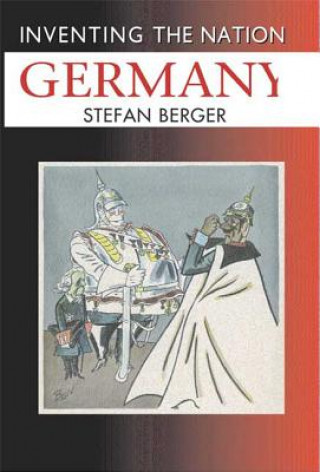
Germany
Autor Stefan Berger
'What is a German's fatherland?', asked Ernst Moritz Arndt at the beginning of the nineteenth century. This has arguably been the central question of modern German history. Germans did not have a united fatherland until 1871, and, ... celý popis


- Jazyk:
 Angličtina
 - Vazba: Pevná
- Počet stran: 288
Nakladatelství: Bloomsbury Publishing, 2004
- Více informací o knize


Mohlo by se vám také líbit
-

Ford County
465 Kč -

Internet Is Not What You Think It Is
678 Kč -

Hitchcock's Films Revisited
892 Kč -

Tic Disorders
628 Kč -

Objavujeme sedem sviatostí
15 Kč -

Make Your Own Herbal Medicine: A Practical Guide on Herbs and How To Create Simp
176 Kč -

Hochbegabung bei Schulern
713 Kč -

Intelligente Transportsysteme und die Produktivitat in den Stadten
389 Kč -

La fiscalidad del patrocinio deportivo
676 Kč -

Cases in Consumer Behaviour
1722 Kč -

House of a Thousand Candles
554 Kč -

Task-Centered Practice
1350 Kč -

Genealogy of Marion's Philosophy of Religion
576 Kč -

Cracking The Job Market: Get Noticed
195 Kč -

The Correspondence of William Wilberforce; Volume 1
881 Kč -

Hochzeitsplaner Der Ultimative Terminplaner Fur Die Zukunftige Braut
292 Kč -

Hochwald
151 Kč -

Objectivity in the Making
940 Kč -

Sitzungsberichte der kaiserlichen Akademie der Wissenschaften
459 Kč -

EL LIBERALISMO-CONSERVADOR (PAPEL + E-BOOK)
2454 Kč -

The Old Ministry: A Lecture (1839)
467 Kč
Dárkový poukaz: Radost zaručena
- Darujte poukaz v libovolné hodnotě a my se postaráme o zbytek.
- Poukaz se vztahuje na celou naši nabídku.
- Elektronický poukaz vytisknete z e-mailu a můžete ihned darovat.
- Platnost poukazu je 12 měsíců od data vystavení.
Více informací o knize Germany
Nákupem získáte 368 bodů
 Anotace knihy
'What is a German's fatherland?', asked Ernst Moritz Arndt at the beginning of the nineteenth century. This has arguably been the central question of modern German history. Germans did not have a united fatherland until 1871, and, thereafter, major political events in 1918, 1933, 1945, 1968 and 1989 ensured that the answers to Arndt's question proliferated and diverged with breath-taking speed. Germany explains the diverse ways in which national identity has been constructed over more than three centuries. It focuses on the plurality of contested definitions of 'Germanness'. The themes covered include the struggles between democratic and non-democratic inventions of the nation, the construction of the racial nation under Nazism, economic definitions of the nation, foreigners and 'Germanness', the nation as a 'community of memory', the gendering of the national discourse, the federal nature of German nationalism and the impact of war on the construction of a German national identity. This is a fundamental reappraisal of Germany's history from a perspective available only now that the dust from the demolished Berlin Wall is settling in a reunited Germany.
Parametry knihy
Zařazení knihy Knihy v angličtině Humanities History Regional & national history
3676 Kč
- Plný název: Germany
- Autor: Stefan Berger
- Jazyk: Angličtina
- Vazba: Pevná
- Počet stran: 288
- EAN: 9780340705858
- ISBN: 034070585X
- ID: 04875878
- Nakladatelství: Bloomsbury Publishing
- Hmotnost: 641 g
- Rozměry: 234 × 156 × 21 mm
- Datum vydání: 25. June 2004
Oblíbené z jiného soudku
-

Hundred Years' War on Palestine
260 Kč -

The Fourth Turning
358 Kč -

Time Traveller's Guide to Medieval England
276 Kč -

Black Hawk Down
335 Kč -

Line in the Sand
235 Kč -

On China
407 Kč -

How to be a Victorian
293 Kč -

Empress Dowager Cixi
325 Kč -

History of the Arab Peoples
317 Kč -

Arabs
400 Kč -

Age Of Revolution
336 Kč -

Babylon
307 Kč -

Civil War
209 Kč -

Biggest Prison on Earth
293 Kč -

Pompeii
272 Kč -

Ancien Regime and the Revolution
312 Kč -

Roman History
343 Kč -

Swiss Watching
338 Kč -

Setting the East Ablaze
315 Kč -

Napoleon's Red Lancers
338 Kč -

Fools Crow
318 Kč -

Conquest of New Spain
293 Kč -

Northern Crusades
312 Kč -

Reconstruction of Nations
617 Kč -

Modern Ireland 1600-1972
420 Kč -

Age of the Vikings
361 Kč -

Balloon-busting Aces of World War 1
438 Kč -

Team of Rivals
417 Kč -

General History of the Pyrates
591 Kč -

Polish Saber
1293 Kč -

Mons Graupius AD 83
467 Kč -

London Labour and the London Poor
256 Kč -

Irish Freedom
380 Kč -

Scramble for China
380 Kč -

History of the Decline and Fall of the Roman Empire
465 Kč -

Cambridge Illustrated History of France
895 Kč -

Revolution without Revolutionaries
639 Kč -

Hungarian and Bulgarian Aces of World War 2
438 Kč -

Vivid Faces
362 Kč -

Nations and Nationalism since 1780
350 Kč -

Inanna, Lady of Largest Heart
656 Kč -

Great Departure
387 Kč -

Annotated U.S. Constitution and Declaration of Independence
375 Kč -

Concise History of Albania
795 Kč -

Ireland Since the Famine
441 Kč -

Carrier Air Group 86
908 Kč -

Israel-Palestine Conflict
914 Kč -

What Has Government Done to Our Money?
334 Kč -

Empires and Barbarians
741 Kč
Osobní odběr Praha, Brno a 46865 dalších
Copyright ©2008-26 nejlevnejsi-knihy.cz Všechna práva vyhrazenaSoukromíCookies

 Vrácení do měsíce
 571 999 099 (8-15.30h)