Kód: 46545487
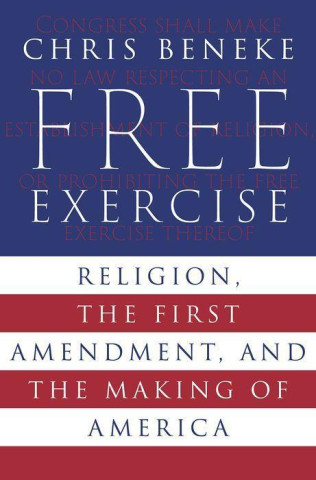
Free Exercise
Autor Beneke, Chris (Professor of History and Associate Dean for the First Year Experience and the Bentley Core, Professor of History and Associate Dean for the First Year Experience and the Bentley Core, B
CONGRESS SHALL MAKE NO LAW RESPECTING AN ESTABLISHMENT OF RELIGION, OR PROHIBITING THE FREE EXERCISE THEREOF. Those words, scratched on parchment in 1789, open the U.S. Constitution''s First Amendment. From them, countless interpr ... celý popis


- Jazyk:
 Angličtina
 - Vazba: Pevná
- Počet stran: 248
Nakladatelství: Sydney University Press, 2024
- Více informací o knize


Mohlo by se vám také líbit
-

La vie meutriere
385 Kč -
Velké dílo
249 Kč -

Introducing Physical Geography
3209 Kč -

Hovawart
471 Kč -
Angels and Ages
373 Kč -
The Running Flame – A Novel
564 Kč -
Once We Were Slaves
694 Kč
Darujte tuto knihu ještě dnes
- Objednejte knihu a zvolte Zaslat jako dárek.
- Obratem obdržíte darovací poukaz na knihu, který můžete ihned předat obdarovanému.
- Knihu zašleme na adresu obdarovaného, o nic se nestaráte.
Více informací o knize Free Exercise
Nákupem získáte 79 bodů
 Anotace knihy
CONGRESS SHALL MAKE NO LAW RESPECTING AN ESTABLISHMENT OF RELIGION, OR PROHIBITING THE FREE EXERCISE THEREOF. Those words, scratched on parchment in 1789, open the U.S. Constitution''s First Amendment. From them, countless interpretations have been drawn. As a consequence, an astonishing variety of activities in modern America-prayer after football games, Bible reading in classrooms, company healthcare policies, the baking of wedding cakes, and Ten Commandment displays around courthouses-have been alternately authorized, prohibited, or modified. In this compelling historical account, Chris Beneke explains how the religion clauses came into existence and how they were woven into American culture. He brings prominent early national figures to life, including George Washington, James Madison, and Thomas Paine, while chronicling the First Amendment''s relationship to defining social conditions like slavery, civility, family life, and the free market. Beneke probes what kind of nation America was when the religion clauses were framed and what kind of nation it was becoming. Going beyond traditional church-state scholarship, Beneke also demonstrates how white women, African Americans, Roman Catholics, Jews, and nonbelievers widened religious liberty''s application and illuminated its boundaries. In doing so he makes a groundbreaking contribution to both constitutional history and the history of American pluralism.
Parametry knihy
Zařazení knihy Knihy v němčině Geisteswissenschaften, Kunst, Musik Religion/Theologie Christentum
791 Kč
- Plný název: Free Exercise
- Autor: Beneke, Chris (Professor of History and Associate Dean for the First Year Experience and the Bentley Core, Professor of History and Associate Dean for the First Year Experience and the Bentley Core, B
- Jazyk: Angličtina
- Vazba: Pevná
- Počet stran: 248
- EAN: 9780197767023
- ISBN: 0197767028
- ID: 46545487
- Nakladatelství: Sydney University Press
- Hmotnost: 498 g
- Datum vydání: 08. October 2024
Oblíbené z jiného soudku
-
The Complete Picatrix
831 Kč -
The Summa Theologica of St. Thomas Aquinas
775 Kč -
The Immortal Mind
467 Kč -
The Gnostic Gospels Complete Collection
666 Kč -
The Witches' Devil
381 Kč -
Enochian Angels Handbook
609 Kč -
Norse Symbols
316 Kč -
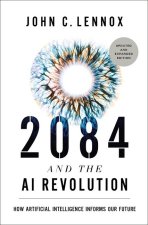
2084 and the AI Revolution, Updated and Expanded Edition
424 Kč -
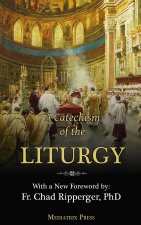
A Catechism of the Liturgy
196 Kč -
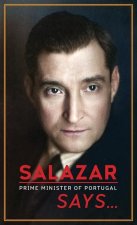
Salazar (Prime Minister of Portugal) Says...
236 Kč -

Woden
651 Kč -
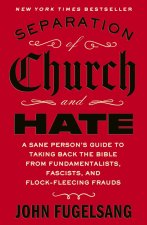
Separation of Church and Hate
315 Kč -
Vida Imensuravel
189 Kč -
I Am
242 Kč -
Bible Prophecy Secrets Expanded Edition
524 Kč -
Wedy
288 Kč -
The Prayer of Freedom
548 Kč -
Esotericism in Western Culture
597 Kč -
Women Hating
235 Kč -
Secrets of the Zohar
302 Kč -
Why the Bible Began
412 Kč -
Grand Grimoire, Red Dragon
407 Kč -
THE EMERALD TABLETS OF THOTH THE ATLANTEAN
222 Kč -
The Baal Book
225 Kč -

Cold-Case Christianity: A Homicide Detective Investigates the Claims of the Gospels
334 Kč -
O Nieposiadaniu Glowy
300 Kč -
Orthodox Daily Prayers
241 Kč -
Book of Wisdom of Solomon
340 Kč -
Revolution
775 Kč -
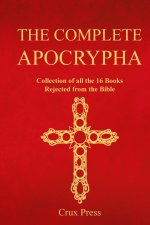
The Complete Apocrypha
382 Kč -
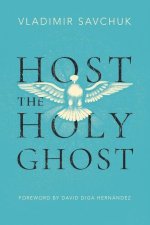
Host the Holy Ghost
444 Kč -
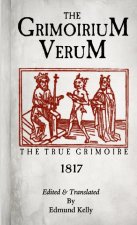
Grimorium Verum ,The True Grimoire
380 Kč -
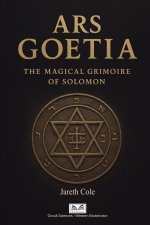
Ars Goetia
403 Kč -
The Mystical Theology of the Eastern Church
485 Kč -
Archaeology and the People of the Bible
459 Kč -
Holy Orthodox Bible - New Testament based on the Patriarchal & Majority Texts
393 Kč -
The Bible Simplified
487 Kč -
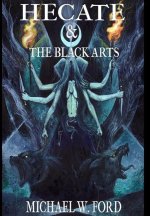
Hecate & The Black Arts
1079 Kč -
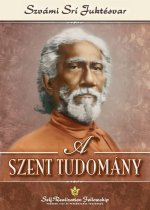
A Szent Tudomány (The Holy Science - Hungarian)
206 Kč -
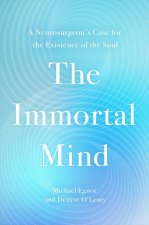
The Immortal Mind
348 Kč -
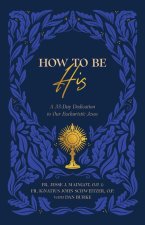
How to Be His
318 Kč -

The Violent Take It by Force
536 Kč -

Паисий Святогорец. Слова
442 Kč -

Build Fire
444 Kč -
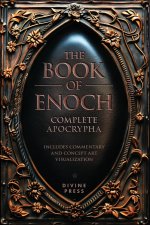
The Book of Enoch
444 Kč -
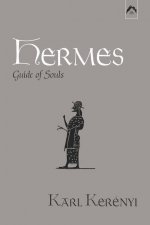
Hermes: Guide of Souls
421 Kč -
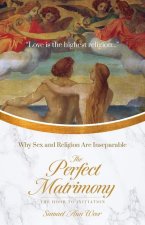
The Perfect Matrimony
380 Kč -

The Sword of Christ
622 Kč -

Alois Mailänder - From the perspective of his students
329 Kč
Osobní odběr Praha, Brno a 46811 dalších
Copyright ©2008-26 nejlevnejsi-knihy.cz Všechna práva vyhrazenaSoukromíCookies

 Vrácení do měsíce
 571 999 099 (8-15.30h)