Kód: 04896091
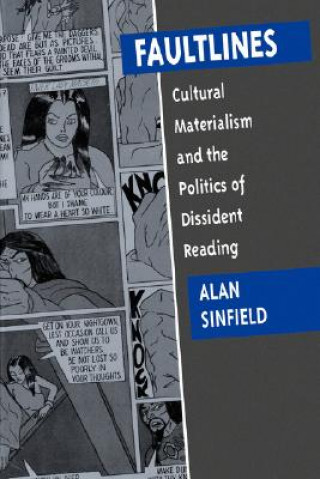
Faultlines
Autor Alan Sinfield
If we come to consciousness within a language that is complicit with the social order, how can we conceive, let alone organize, resistance to that social order? This key question in the politics of reading and subcultural practice ... celý popis


- Jazyk:
 Angličtina
 - Vazba: Brožovaná
- Počet stran: 380
Nakladatelství: University of California Press, 1992
- Více informací o knize


Mohlo by se vám také líbit
-
Little Book of Behavioral Investing - How not to be your own worst enemy
412 Kč -

Leó, a szégyenlős oroszlán, aki útra kelt a bátorság útján
237 Kč -

Plyšákokalypsa
197 Kč -

The Night We Met (Standard Edition)
459 Kč -

Škola dobra a zla Vzhůru za slávou
280 Kč -
Physiologus
740 Kč -
Gold 6e B1+ Pre-First Student's Book with Interactive eBook, Digital Resources and App
819 Kč -

Dálnice
404 Kč -

Flute Quartet in A Major - A Score for Flute, Violin, Viola and Cello K.298 (1787)
359 Kč -

Project Management Handbook
1958 Kč -

A Cultural History of the Avant-Garde in the Nordic Countries 1950-1975
7863 Kč -

The Book of Answers
299 Kč -

Hare and the Tortoise
196 Kč -
Confronting the New Conservatism
2845 Kč -

Basketball Scorebook: 50 Game Scorebook for Basketball (8.5 x 11) - Scoring by Half
199 Kč -

Elementare Einf hrung in Die Angewandte Statistik
1214 Kč -

Animalario : visiones humanas sobre mundos animales
312 Kč -

Wie fühlst du dich? Über unser Innenleben in Zeiten wie diesen
491 Kč -

Kingdom Nuggets: Developing A Servant's Heart
279 Kč -

Thoroughbred Racing and Breeding: The Story of the Sport and Background of the Horse Industry
728 Kč -

Korsanlar
303 Kč -

Historical Dictionary of East Timor
2715 Kč -

Les Globalistes
718 Kč -

Mathematik Förderschule - Arbeitshefte
367 Kč -

Beware the Winner's Curse
1225 Kč -

The Exhaustively Cross-Referenced Bible - Book 7 - 1 Kings Chapter 3 To 2 Kings 22: The Exhaustively Cross-Referenced Bible
888 Kč -

MAKING MUSIC METHOD - MIDDLE-C
196 Kč -

Who Were The Anglo-Saxons? History 5th Grade Chidren's European History
325 Kč -
Dynamic Logic. New Trends and Applications
1299 Kč -

Eat A Peach
244 Kč -

Exit Rommel
2345 Kč -

To Know Bedrock
392 Kč -

Provenza y Costa Azul
614 Kč -

DHP 1094700-401 Bläserklasse KLASSIK - Partitur
1002 Kč -

Diagnosis and Management of Breast Tumors
2533 Kč -

Lethal Care
324 Kč -

Won't Get Fooled Again
407 Kč -

Industriemechanik Lernsituationen, Technologie, Technische Mathematik
654 Kč -

Pythagoras - Realschule Bayern - 5. Jahrgangsstufe
660 Kč -

Kinderrechte im UEberblick. Politische Anspruche an kindliche Mitbestimmung
369 Kč -

Romance of the Revolution
837 Kč -

Palgrave International Handbook of Women and Journalism
1349 Kč -

Pens and Swords
1088 Kč -

Au pays de St. François d'Assise
298 Kč -

Alternatives to War
2423 Kč -

Secondary English and Literacy
2771 Kč -

At the Edges of Liberalism
1349 Kč -

France's Political Institutions at 50
852 Kč -

Global Warming and the Asian Pacific
4330 Kč -

Crime, Fear and the Law in True Crime Stories
3115 Kč -

Recent Developments in Mechatronics and Intelligent Robotics
4707 Kč -

BABADADA black-and-white, Tajik (in cyrillic script) - Papiamento (Aruba), visual dictionary (in cyrillic script) - diccionario visual
155 Kč -

Jackpot
269 Kč -

Mais Qui Donc Est Le Tres-Haut?
170 Kč -
Knowing without Thinking
1349 Kč -

Effect of Supplementary Cementitious Materials on Behavior of HPC
1135 Kč
Darujte tuto knihu ještě dnes
- Objednejte knihu a zvolte Zaslat jako dárek.
- Obratem obdržíte darovací poukaz na knihu, který můžete ihned předat obdarovanému.
- Knihu zašleme na adresu obdarovaného, o nic se nestaráte.
Více informací o knize Faultlines
Nákupem získáte 101 bodů
 Anotace knihy
If we come to consciousness within a language that is complicit with the social order, how can we conceive, let alone organize, resistance to that social order? This key question in the politics of reading and subcultural practice informs Alan Sinfield's book on writing in early-modern England. New historicism has often shown people trapped in a web of language and culture. In lively discussions of writings by Shakespeare, Marlowe, Sidney, and Donne, Sinfield reassesses the scope of dissidence and control. The early-modern state, Christianity, and the cultural apparatus, despite an ideology of unity and explicit violence, could not but allow space to challenging voices. Sinfield shows that disruptions in concepts of hierarchy, nationality, gender, and sexuality force their way into literary texts. Sinfield is often provocative. He 'rewrites' Julius Caesar to produce a different politics, compares Sidney's idea of poetry to Leonid Brezhnev's, and reinstates the concept of character in the face of post-structuralist theory. He keeps the current politics of literary study in view, especially in a substantial chapter on Shakespeare in the U.S. Sinfield subjects interactions between class, ethnicity, sexuality, and the professional structures of the humanities to a detailed and hard-hitting critique, and argues for new commitments to collectivities and subcultures.
Parametry knihy
Zařazení knihy Knihy v angličtině Literature & literary studies Literature: history & criticism Literary studies: general
1008 Kč
- Plný název: Faultlines
- Podnázev: Cultural Materialism and the Politics of Dissident Reading
- Autor: Alan Sinfield
- Jazyk: Angličtina
- Vazba: Brožovaná
- Počet stran: 380
- EAN: 9780520076075
- ISBN: 0520076079
- ID: 04896091
- Nakladatelství: University of California Press
- Hmotnost: 476 g
- Rozměry: 230 × 152 × 28 mm
- Datum vydání: 28. September 1992
Oblíbené z jiného soudku
-

How to Read a Book
253 Kč -

Odyssey (Deckle Edge)
365 Kč -

The Picture of Dorian Gray
147 Kč -
Metamorphoses
162 Kč -

Saga of Tanya the Evil, Vol. 3
242 Kč -
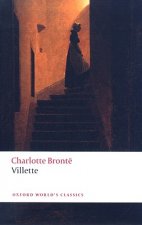
Villette
226 Kč -

Mysteries of Udolpho
253 Kč -
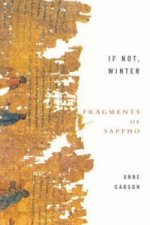
If Not, Winter: Fragments Of Sappho
379 Kč -

Plainwater
319 Kč -

SEOUL University Korean 1B Workbook (QR), m. 1 Audio
753 Kč -

SEOUL University Korean 1B Student's Book (QR), m. 1 Audio
1106 Kč -
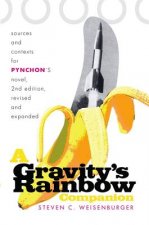
Gravity's Rainbow Companion
926 Kč -

Germinal
174 Kč -

Zofloya or The Moor
236 Kč -

Moby-Dick
601 Kč -
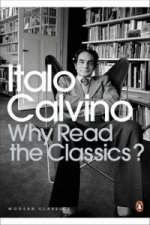
Why Read the Classics?
274 Kč -
Bacchae
182 Kč -

Boyhood
235 Kč -

Odyssey: A Father, A Son and an Epic
276 Kč -

Art of Rhetoric
248 Kč -

Three Theban Plays
276 Kč -

Tenant of Wildfell Hall
199 Kč -
Poetics
233 Kč -
Mabinogion
387 Kč -

Literature and Evil
248 Kč -
Orphic Hymns
697 Kč -

Letters to a Young Poet
365 Kč -

Faust, Part I
195 Kč -

Experiment in Criticism
350 Kč -
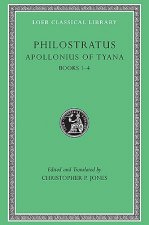
Apollonius of Tyana
756 Kč -
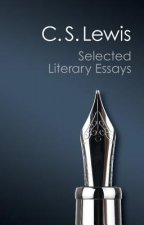
Selected Literary Essays
397 Kč -
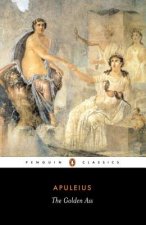
Golden Ass
258 Kč -

David Copperfield
162 Kč -
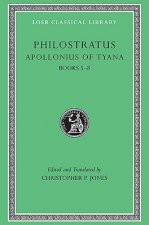
Apollonius of Tyana
731 Kč -

Sea Monkeys
336 Kč -

Complete English Poems
404 Kč -

Elias Portolu
1224 Kč -

Nineteenth-Century Minor Poets
654 Kč -

Exposition of the ""On the Hebdomads"" of Boethius
614 Kč -

Twelfth Night
258 Kč -
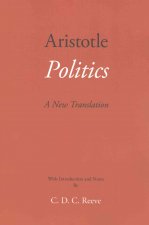
Politics
753 Kč -

Reading Promise
349 Kč -

In My Father's Court
601 Kč -

Ecstasy of the Beats
400 Kč -

Homer Vol. I. Iliad (Books I-XII)
860 Kč -

The Karamazov Brothers
236 Kč -
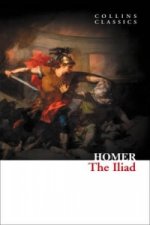
Iliad
106 Kč -
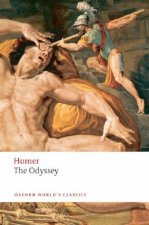
Odyssey
225 Kč -

The Iliad - Penguin Classics Deluxe Edition
397 Kč
Osobní odběr Praha, Brno a 48398 dalších
Copyright ©2008-26 nejlevnejsi-knihy.cz Všechna práva vyhrazenaSoukromíCookies

 Vrácení do měsíce
 571 999 099 (8-15.30h)