Kód: 46300690
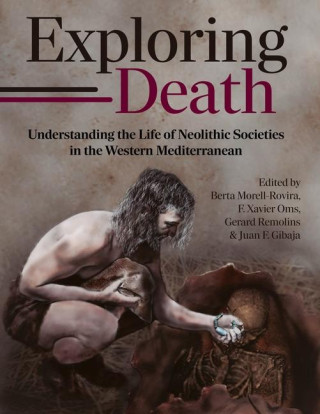
Exploring Death
Autor F Xavier Oms, Gerard Remolins, Juan F Gibaja
Since the dawn of archaeology, the study of funerary contexts has provided invaluable insights into past societies, a trend that persists in contemporary research. Ongoing discoveries, site re-evaluations and advancements in techn ... celý popis


- Jazyk:
 Angličtina
 - Vazba: Pevná
- Počet stran: 304
Nakladatelství: Oxbow Books Limited, 2025
- Více informací o knize

1970 Kč

Skladem u dodavatele v malém množství
Odesíláme za 11-15 dnů
Potřebujete více kusů?Máte-li zájem o více kusů, prověřte, prosím, nejprve dostupnost titulu na naši zákaznické podpoře.
Přidat mezi přání
Mohlo by se vám také líbit
-

Fun Skills Level 6/Flyers Student's Book with Home Booklet and Mini Trainer with Downloadable Audio
561 Kč -

porn.com
886 Kč -

Modern Psychometrics
1644 Kč -

From Stalingrad to Italy - Von Senger's War
480 Kč -

Thegan, Die Taten Kaiser Ludwigs (Gesta Hludowici Imperatoris). Astronomus, Das Leben Kaiser Ludwigs (Vita Hludowici Impera
2260 Kč -

Time Pieces for Treble/Alto Recorder, Volume 2
333 Kč -

Molly
242 Kč
Darujte tuto knihu ještě dnes
- Objednejte knihu a zvolte Zaslat jako dárek.
- Obratem obdržíte darovací poukaz na knihu, který můžete ihned předat obdarovanému.
- Knihu zašleme na adresu obdarovaného, o nic se nestaráte.
Více informací o knize Exploring Death
Nákupem získáte 197 bodů
 Anotace knihy
Since the dawn of archaeology, the study of funerary contexts has provided invaluable insights into past societies, a trend that persists in contemporary research. Ongoing discoveries, site re-evaluations and advancements in techniques like DNA analysis continually reshape our understanding of the past.In the specific contexts we are addressing – the emergence of the first farming and herding communities in the Western Mediterranean – few regions in Europe display such systematic funerary practices. A notable example is the Sepulcros de Fosa horizon in the northeastern Iberian Peninsula. Approximately 6,500 years ago in this area, there was a significant increase in the number of found inhumations, with some clustering in cemeteries containing several dozen individuals.Despite sporadic mentions in international publications, the details of the Sepulcros de Fosa horizon funerary practices – such as burial locations, characteristics and performed analysis – are generally not well known, primarily because most of the publications have been presented in Catalan or Spanish. This limits awareness of one of the best-documented archaeological records shedding light on Neolithic communities in the Western Mediterranean.Over a century, the northeastern Iberian Peninsula has yielded numerous Neolithic burials, totalling over 896 graves, predominantly featuring single inhumations. Many of these graves, excavated in ground pits, remain remarkably intact, facilitating interpretations of burial treatments and grave goods, indicative of time and effort invested in acquisition and production.Furthermore, this was also a period of well-established social networks, allowing the distribution of materials such as flint, obsidian or jadeite for crafting lithic tools, and variscite for producing ornaments across extensive territories spanning hundreds of kilometres. These networks had an impact on the social, economic and ideological organization of these communities, as well as their interactions with other European populations. This interconnected world left archaeological traces, evident in the early stages of subsequent megalithic developments.
Parametry knihy
Zařazení knihy Knihy v němčině Sozialwissenschaften, Recht, Wirtschaft Medien, Kommunikation Medienwissenschaft
1970 Kč
- Plný název: Exploring Death
- Autor: F Xavier Oms, Gerard Remolins, Juan F Gibaja
- Jazyk: Angličtina
- Vazba: Pevná
- Počet stran: 304
- EAN: 9798888571415
- ID: 46300690
- Nakladatelství: Oxbow Books Limited
- Hmotnost: 1528 g
- Datum vydání: 15. July 2025
Oblíbené z jiného soudku
-

One Nation Under Blackmail Vol 2
335 Kč -

Polysecure
358 Kč -

Inverting the Pyramid
293 Kč -

The Sexual Politics of Meat - 35th Anniversary Edition
467 Kč -

We Could Be Rats
227 Kč -

The Life of Birds
248 Kč -

Girl on Girl
380 Kč -

Azerbaijani Language for Foreigners
526 Kč -

Enemy Feminisms
380 Kč -

Hood Feminism
227 Kč -

Life Is Not Useful
274 Kč -

Truth and Repair
319 Kč -

AI 2041
286 Kč -

Generations
365 Kč -

Highway of Tears: A True Story of Racism, Indifference, and the Pursuit of Justice for Missing and Murdered Indigenous Women and Girls
334 Kč -

Fire in the Dark
303 Kč -

Confidence Culture
651 Kč -

Equal Partners: Improving Gender Equality at Home
375 Kč -

The Interpretation of Cats
276 Kč -

You to the Power of Two
608 Kč -

Girl on Girl
298 Kč -

Women Who Run With The Wolves
555 Kč -

The Singularity Is Nearer
260 Kč -

Let's Become Fungal!: Mycelial Learning and the Arts
489 Kč -

With Her Own Hands
536 Kč -

From Strength to Strength
235 Kč -

Against the Machine
506 Kč -

The Cuckoo's Egg: Tracking a Spy Through the Maze of Computer Espionage
350 Kč -

Generations
248 Kč -

All About Love: The Deluxe Collector's Edition
380 Kč -

Women Who Run with the Wolves: Myths and Stories of the Wild Woman Archetype
511 Kč -

We Have Never Been Woke
334 Kč -

How To Watch Football
276 Kč -

There Is No Place for Us
482 Kč -

Radical Relating
349 Kč -

Feminist City
271 Kč -

Polish Customs, Traditions & Folklore
412 Kč -

Resonanz
450 Kč -

The Queer Arab Glossary
380 Kč -

The Psychology of Cybersecurity
1133 Kč -

Human Factors and Cybersecurity
1428 Kč -

Why We Think What We Think
527 Kč -

Ecocivilization
565 Kč -

On Women
244 Kč -

The Othered Woman
334 Kč -

The Hidden Face of Eve
385 Kč -

Broken Country
380 Kč -

Bad Gays: A Homosexual History
300 Kč -

Messy Cities
365 Kč
Osobní odběr Praha, Brno a 46566 dalších
Copyright ©2008-26 nejlevnejsi-knihy.cz Všechna práva vyhrazenaSoukromíCookies

 Vrácení do měsíce
 571 999 099 (8-15.30h)