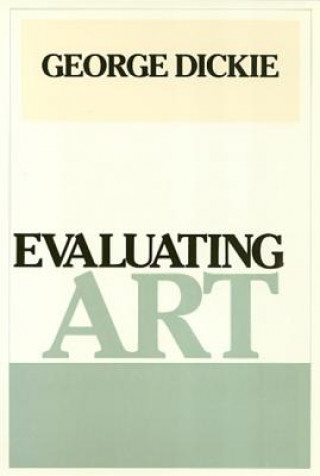
Kód: 04946290
Evaluating Art
Autor George Dickie
In this book, George Dickie presents a theory about how to judge a work of art as opposed to a theory that explains why a particular work is defined as art. Focusing mainly on the writings of Monroe Beardsley and critically examin ... celý popis


- Jazyk:
 Angličtina
 - Vazba: Brožovaná
- Počet stran: 208
Nakladatelství: Temple University Press,U.S.
- Více informací o knize


Mohlo by se vám také líbit
-

Cherry Magic! Thirty Years Of Virginity Can Make You A Wizard?! 3
244 Kč -

Gustave Caillebotte: The Painter Patron of the Impressionists
789 Kč -

Introduction to Aesthetics
2844 Kč -

Buio Della Notte
758 Kč -
Aristotle on Teleology
1349 Kč -

Síntesis y evaluación de algunos derivados del ácido arilo-propiónico
772 Kč -
Performing Medicine
714 Kč
Darujte tuto knihu ještě dnes
- Objednejte knihu a zvolte Zaslat jako dárek.
- Obratem obdržíte darovací poukaz na knihu, který můžete ihned předat obdarovanému.
- Knihu zašleme na adresu obdarovaného, o nic se nestaráte.
Více informací o knize Evaluating Art
Nákupem získáte 79 bodů
 Anotace knihy
In this book, George Dickie presents a theory about how to judge a work of art as opposed to a theory that explains why a particular work is defined as art. Focusing mainly on the writings of Monroe Beardsley and critically examining the views of seven other philosophers and art critics Paul Ziff, Frank Sibley, Nelson Goodman, Nicholas Wolterstorff, David Hume, Bruce Vermazen, and J. O. Urmson, Dickie synthesizes their insights to discover what can be derived from their theories. On this basis, he attempts to work out a theory of art evaluation the first such book on this topic by a contemporary philosopher. Initially, the author outlines all possible theories of art evaluation, assuming that traditional evaluative notions are used. He identifies seven theory-types that fall under four general headings: imitation value theory, objective intrinsic value theories, subjective intrinsic value theory, and instrumental value theories. Dickie then discusses the historical development of the theory of art evaluation, examining the ways in which eighteenth- and nineteenth-century philosophers treated representation and other cognitive dimensions of art as artistic values. His thorough analysis of the work of other contemporary theorists argues for a theory of art evaluation derived from various strands of thought. Author note: George Dickie, a Professor of Philosophy at the University of Illinois-Chicago, is the author of "The Art Circle".
Parametry knihy
Zařazení knihy Knihy v angličtině Humanities Philosophy Philosophy: aesthetics
789 Kč
- Plný název: Evaluating Art
- Autor: George Dickie
- Jazyk: Angličtina
- Vazba: Brožovaná
- Počet stran: 208
- EAN: 9780877226833
- ISBN: 0877226830
- ID: 04946290
- Nakladatelství: Temple University Press,U.S.
- Hmotnost: 264 g
- Rozměry: 212 × 141 × 22 mm
Oblíbené z jiného soudku
-

In Praise of Shadows
219 Kč -

In Praise of Shadows
336 Kč -
On Beauty and Being Just
349 Kč -

Ornament and Crime
227 Kč -

Saving Beauty
282 Kč -
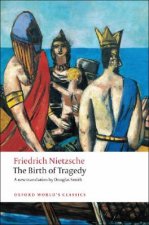
Birth of Tragedy
194 Kč -

On the Aesthetic Education of Man
275 Kč -

Birth of Tragedy and The Case of Wagner
241 Kč -

Tractate on Japanese Aesthetics
200 Kč -

Perfect Me
671 Kč -

Shop Class as Soulcraft
319 Kč -

Thought Forms
225 Kč -

Counsels and Maxims
313 Kč -
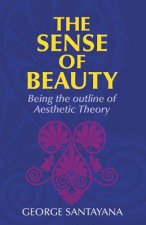
Sense of Beauty
438 Kč -

Meaning of the Creative Act
485 Kč -
Handbook of Inaesthetics
507 Kč -

Green
676 Kč -

Divine Beauty
227 Kč -
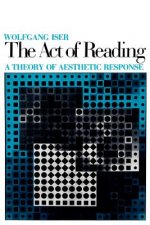
Act of Reading
781 Kč -

Art of Videogames
774 Kč -

Art of the Modern Age
1076 Kč -

Aesthetics
865 Kč -

Historical-critical Introduction to the Philosophy of Mythology
872 Kč -
Philosophies of Art and Beauty
804 Kč -

Philosophy of Gardens
1029 Kč -

Reading Cavell's ""the World Viewed
738 Kč -

Future of the Image
342 Kč -

Anti-aesthetic
473 Kč -

Entrepreneur's Guide to Customer Development
400 Kč -

Art and Objects
552 Kč -

Aesthetics of Disappearance
339 Kč -

Nail It Then Scale It
517 Kč -

Art of M&A Due Diligence
2530 Kč -

Only a Promise of Happiness
547 Kč -
Cultural Appropriation and the Arts
879 Kč -

Aesthetic Dimension
575 Kč -

Working Aesthetics
1008 Kč -

Heidegger's Philosophy of Art
813 Kč -

On the Aesthetic Education of Man
274 Kč -

Fight Club
1227 Kč -

Blackwell Guide to Aesthetics
1117 Kč -
Aesthetics
525 Kč -

Wabi Sabi
257 Kč -

History of Modern Japanese Aesthetics
679 Kč -
Meaning of the Body
872 Kč -

Gallucci's Commentary on Durer's 'Four Books on Human Proportion'
750 Kč -

Modern Japanese Aesthetics
561 Kč -

Philosophy of Design
526 Kč -
Speculative Aesthetics
241 Kč
Osobní odběr Praha, Brno a 46876 dalších
Copyright ©2008-26 nejlevnejsi-knihy.cz Všechna práva vyhrazenaSoukromíCookies

 Vrácení do měsíce
 571 999 099 (8-15.30h)