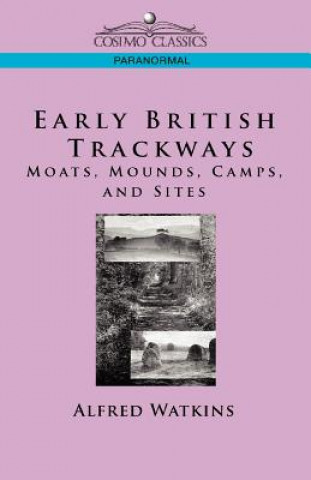
Kód: 08759878
Early British Trackways
Autor Alfred Watkins
These¬-if ancient-seem to be invariably on (not merely alongside) a ley, and in many cases are at the crossing of two leys, thus appropriating the sighting point to a new use. -from "Churches" Were the significant sites of anc ... celý popis


- Jazyk:
 Angličtina
 - Vazba: Brožovaná
- Počet stran: 64
Nakladatelství: Cosimo Classics, 2005
- Více informací o knize


Mohlo by se vám také líbit
-
Letting Go
318 Kč -
Malí bohové
223 Kč -
Elementární bytosti
279 Kč -
Brain Games for Today's Kids, Ages 8-9 Workbook
218 Kč -
Posvátná místa Přírody
186 Kč -

Legal Highs
222 Kč -
Christmas Carol: The Original Manuscript Edition
365 Kč -

How to Build Cobra Kit Cars + Buying Used
791 Kč -
THE DOLMEN ARCH A Study Course in the Druid Mysteries volume 1 The Lesser Mysteries
691 Kč -
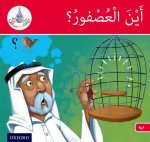
Arabic Club Readers: Red Band B: Where's the Sparrow?
207 Kč -

Freak Kingdom
392 Kč -
Human Character and Behavior: An Islamic Perspective
381 Kč -
Ley Lines
314 Kč -
Esperanto Self-Taught with Phonetic Pronunciation
308 Kč -

Gestatten, mein Name ist Cox
675 Kč -
Old Straight Track
629 Kč -

Federalism
683 Kč -

Life and Surprizing Adventures of Mirandor. Translated from the Dutch. Adorned with Thirteen Cuts. in Two Volumes. ... Volume 2 of 2
642 Kč -

Enzyme Kinetics - A Modern Approach
4240 Kč -

Wonderful Wizard of Oz
314 Kč -

The Vikramankadevacharita: A Life Of King Vikramaditya-Tribhuvana Malla Of Kalyana (1875)
968 Kč -

Wem gehört die Stadt?, 1 DVD
316 Kč -
Eglises de Bourgs Et Villages (Ed.1867)
364 Kč -

Desempenho Sismico dos Edificios emoldurados RC Localizados em Colinas
813 Kč -

Berechnung von einfachen und mehrfachen Rautenträgern
1214 Kč -
John 8 and Christian Anti-Judaism
3676 Kč -

Hereford, Herefordshire, And The Wye (1880)
554 Kč -

Revoltes
559 Kč -

Lehrbuch der Psychodynamik
1118 Kč -

Handy Guide to British English: Understanding the "English" Language
237 Kč -
Subalternos. Test y casos prácticos del temario general
456 Kč -

¿Qué estoy haciendo?
383 Kč -
Write Before Your Eyes
203 Kč -

Ultimate KETO Chaffle Cooking Guide
474 Kč -

Gregs Tagebuch - Echt übel!, 1 Audio-CD
249 Kč -

F Place
686 Kč -

Undergraduate Public Affairs Education
1379 Kč -

Рисуем вместе!
730 Kč -

rivolte contadine nella Provincia di Terra d'Otranto dal 1890 al 1910. I gravi fatti di Scorrano
682 Kč -
The Road Together: A Contemporaneous Drama in Four Acts
619 Kč -
Balint Matters
5510 Kč -

Ventures Transitions Level 5 Teacher's Edition
3364 Kč -
A Patient's Guide to Dental Implants
1029 Kč -

Theorie spekulativer Blasen
1888 Kč -
Contes de la Bácasse
258 Kč -

Smagfulde Slowcooking Opskrifter
688 Kč -
As a Child
294 Kč -

Berufsabitur und vertikale Durchlassigkeit im franzoesischen Bildungssystem
389 Kč -

Water and Public Policy in India
1475 Kč
Darujte tuto knihu ještě dnes
- Objednejte knihu a zvolte Zaslat jako dárek.
- Obratem obdržíte darovací poukaz na knihu, který můžete ihned předat obdarovanému.
- Knihu zašleme na adresu obdarovaného, o nic se nestaráte.
Více informací o knize Early British Trackways
Nákupem získáte 25 bodů
 Anotace knihy
These¬-if ancient-seem to be invariably on (not merely alongside) a ley, and in many cases are at the crossing of two leys, thus appropriating the sighting point to a new use. -from "Churches" Were the significant sites of ancient Britain deliberately aligned along an invisible web of power? Or is it a mere coincidence that so many locations associated with worship and arcane knowledge are situated in unique spatial relationship to one another? Self-taught photographer and anthropologist Alfred Watkins was the first to discover the "ley lines" apparently connecting the churches, megaliths, earthen mounds, holy wells, and other places of power in Britain, and he published his results in this 1922 book. Though he offers no extraordinary explanation of their meaning-except, perhaps, that the leys represent ancient trade routes-others have associated ley lines with UFOs, crop circles, dowsing, and other paranormal phenomena. Long out of print, this foundational work is a vital resource for students of the supernatural. British photographer and amateur archaeologist ALFRED WATKINS (1855-1935) was a fellow of the Royal Photographic Society and served as president of the Woolhope Naturalists' Field Club in 1919. He also wrote The Old Straight Track (1925) and The Ley Hunter's Manual (1927).
Parametry knihy
Zařazení knihy Knihy v angličtině Health & personal development Mind, Body, Spirit Mysticism, magic & ritual
250 Kč
- Plný název: Early British Trackways
- Podnázev: Moats, Mounds, Camps and Sites
- Autor: Alfred Watkins
- Jazyk: Angličtina
- Vazba: Brožovaná
- Počet stran: 64
- EAN: 9781596054691
- ISBN: 9781596054691
- ID: 08759878
- Nakladatelství: Cosimo Classics
- Hmotnost: 100 g
- Rozměry: 138 × 215 × 8 mm
- Datum vydání: 01. November 2005
Oblíbené z jiného soudku
-
The Secret Teachings of All Ages
481 Kč -
Brief Tour of Higher Consciousness
256 Kč -
Heroes
244 Kč -
Alchemy & Mysticism
425 Kč -
Hekate Liminal Rites
391 Kč -
Self-initiation into the Golden Dawn Tradition
770 Kč -
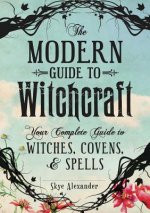
The Modern Guide to Witchcraft
288 Kč -
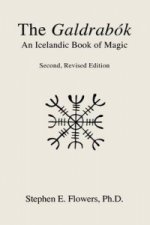
The Galdrabók
445 Kč -
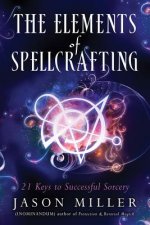
Elements of Spellcrafting
318 Kč -
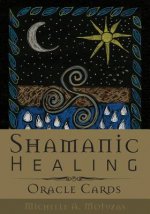
Shamanic Healing Oracle Cards
459 Kč -
Keeping Her Keys
365 Kč -
Key of Solomon the King
442 Kč -
The Wild Unknown Archetypes Deck and Guidebook
654 Kč -
Lesser Key of Solomon Hb
849 Kč -

Splendor Solis
608 Kč -
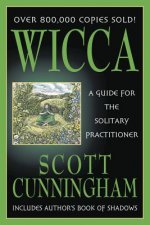
Wicca
288 Kč -
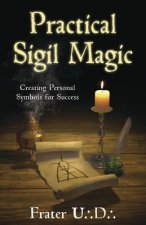
Practical Sigil Magic
301 Kč -
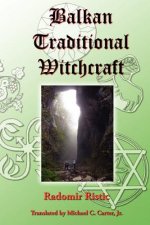
Balkan Traditional Witchcraft
444 Kč -
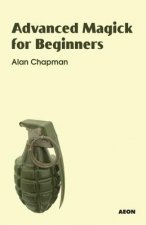
Advanced Magick for Beginners
616 Kč -
Black Arts
365 Kč -
Hekate
456 Kč -
Sigil Witchery
359 Kč -
Modern Witchcraft Grimoire
306 Kč -
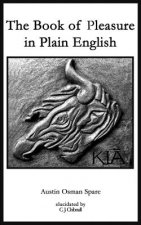
Book of Pleasure in Plain English
444 Kč -

Middle Pillar
394 Kč -
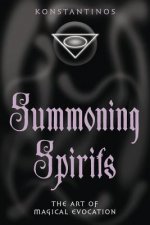
Summoning Spirits
341 Kč -

Sex, Sorcery, and Spirit
292 Kč -
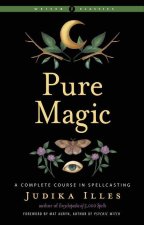
Pure Magic
345 Kč -
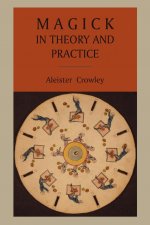
Magick in Theory and Practice
492 Kč -
Essential Golden Dawn
593 Kč -
Fourth Book of Occult Philosophy
692 Kč -

Crystal Witch
373 Kč -
BOOK OF THE WITCH MOON Choronzon Edition
583 Kč -
Hoodoo in the Psalms
333 Kč -
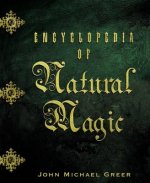
Encyclopedia of Natural Magic
412 Kč -
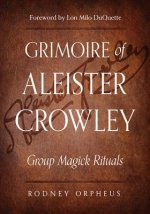
Grimoire of Aleister Crowley
523 Kč -
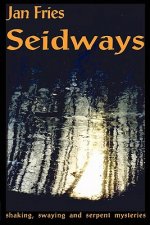
Seidways
428 Kč -
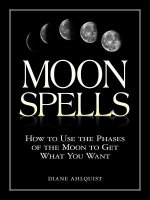
Moon Spells
225 Kč -
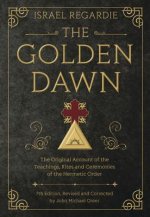
The Golden Dawn
1034 Kč -
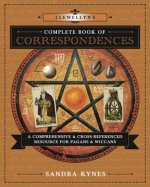
Llewellyn's Complete Book of Correspondences
649 Kč -

The Witch's Book of Self-Care
288 Kč -
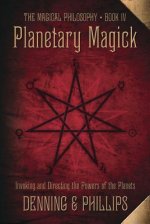
Planetary Magick
490 Kč -
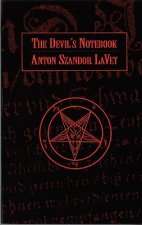
Devil's Notebook
207 Kč -
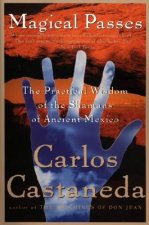
Magical Passes
344 Kč -

The Elemental Oracle
429 Kč -
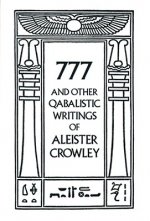
777 And Other Qabalistic Writings Of Aleister Crowley, Including Gemetria & Sepher Sephiroth
536 Kč -
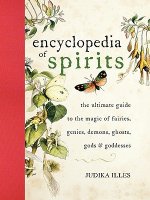
Encyclopedia of Spirits
554 Kč -
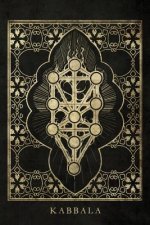
Kabbala
620 Kč -
Arbatel
588 Kč
Osobní odběr Praha, Brno a 46961 dalších
Copyright ©2008-26 nejlevnejsi-knihy.cz Všechna práva vyhrazenaSoukromíCookies

 Vrácení do měsíce
 571 999 099 (8-15.30h)