Kód: 02185463
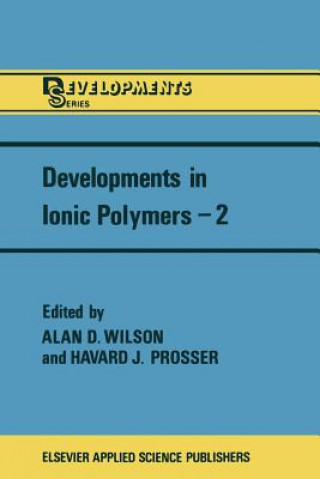
Developments in Ionic Polymers-2
Autor A.D. Wilson, rosser
Ionic polymers, like elephants, are easier to recognise than to define. Several methods of classification have been attempted but none is wholly satisfactory because of the extreme diversity of ionic polymers, which range from the ... celý popis


- Jazyk:
 Angličtina
 - Vazba: Brožovaná
- Počet stran: 356
Nakladatelství: Springer, 2011
- Více informací o knize


Mohlo by se vám také líbit
-

The Penguin Book of Murder Mysteries
293 Kč -

Harmonizing Your Craniosacral System
372 Kč -

Goetia: The Book of Evil Spirits, or The Lesser Key of Solomon: Necromancy, Witchcraft and the Black Arts
205 Kč -

Glider Flying Handbook (FAA-H-8083-13)
440 Kč -

Les Schtroumpfs Lombard - Tome 38 - Les Schtroumpfs et le vol des cigognes
411 Kč -

Beelzebub T01
256 Kč -

PALABRAS
149 Kč -

Foto/montáž tiskem/Photo/Montage in Print
1134 Kč -

Milenaya Mektuplar
370 Kč -

DIE SERBO-CROAT-BEZIEHUNGEN IN JUGOSLAWIEN
1603 Kč -

Let's play, Mom!
599 Kč -

Maxwellians
1034 Kč -

Contexte Socio- conomique Et Soins Obst tricaux Au Niger
1135 Kč -

Canyon through Time
761 Kč -

English-Ukrainian Trouble/Проблема Children's Bilingual Picture Book
277 Kč -

Feminist Fight Club
449 Kč -

Make Money with Binary Options: The Calends Strategy
237 Kč -

Developments in Functional Equations and Related Topics
2357 Kč -

Changing Role of Government
2646 Kč -

Ribband of Blue and Other Bible Studies
186 Kč -

Cowboy Way
314 Kč -

UEberbetrieblicher Verfahrensvergleich
1214 Kč -

Mediengeschichte
529 Kč -

WJEC/Eduqas Religious Studies for A Level Year 1 & AS - Philosophy of Religion Revision Guide
491 Kč -

Rosi in der Geisterbahn, Mini-Ausgabe
177 Kč -

Shimada Kenji
1041 Kč -

MSCs and Innovative Biomaterials in Dentistry
2710 Kč -

Lipids in Photosynthesis: Structure, Function and Genetics
4707 Kč -

Besondere
509 Kč -

Sand in der Seele
348 Kč -

Birds In The Calendar (1914)
489 Kč -

La vuelta a españa del corto maltés
482 Kč -

The Cross of Victory
339 Kč -

Labor Legislation, Labor Movements, and Labor Leaders (1902)
968 Kč -

Purpose of Life
279 Kč -

Wisdom from the Monastery
466 Kč -

Voyage Pittoresque De Paris Ou Indication De Tout Ce Qu'il Y A De Plus Beau Dans Cette Grande Ville En Peinture, Sculpture, Et Architecture
903 Kč -

Secretary or General?
1064 Kč -

Einführung in die systemische Pädagogik
452 Kč -

Fair Weather
1240 Kč -

Sai-Ko and other stories
510 Kč -

Balthazar the Magus
707 Kč -

Fictions of Mass Democracy in Nineteenth-Century America
3013 Kč -

Cindy Sherman's Office Killer
1012 Kč -

Agrartreibstoffe in Brasilien
512 Kč -

Collecting Cultures
2768 Kč -

Cube of Space Workbook
746 Kč -

Living with Mania
354 Kč -

Die kommerzielle Nutzung menschlicher Körpersubstanzen.
1721 Kč
Darujte tuto knihu ještě dnes
- Objednejte knihu a zvolte Zaslat jako dárek.
- Obratem obdržíte darovací poukaz na knihu, který můžete ihned předat obdarovanému.
- Knihu zašleme na adresu obdarovaného, o nic se nestaráte.
Více informací o knize Developments in Ionic Polymers-2
Nákupem získáte 118 bodů
 Anotace knihy
Ionic polymers, like elephants, are easier to recognise than to define. Several methods of classification have been attempted but none is wholly satisfactory because of the extreme diversity of ionic polymers, which range from the organic, water-soluble polyelectrolytes, through hydrogels and ionomer carboxylate rubbers, to the almost infusible inorganic silicate minerals. For this reason, a general classification is not only difficult, but has minimal utility. However, there are some characteristics of these materials that should be highlighted. The role of counterions is the significant one. These ions, either singly or as clusters, take part in the formation of ionic bonds which have a varying structural role. Often they act as crosslinks, but in the halato-polymers the ionic bonds form an integral part of the polymer backbone itself. Conversely, in polymers contain ing covalent crosslinks, such as the ion-exchange resins, the coun terions have virtually no structural role to play, since they dwell in cage-like structures without affecting the crosslinking, and are readily exchanged. They are, perhaps, best described as ion-containing polymers rather than structural ionic polymers. Another crucial factor is the role of water in ionic polymers. The presence of ionic bonds means that there is a tendency for these materials to interact with water. Where the ionic polymer contains a high proportion of ionic units, it acts as a hydrogel and may be highly soluble. Such interactions with water decrease sharply as the ionic content is reduced, though even then water can act as a plasticiser.
Parametry knihy
Zařazení knihy Knihy v angličtině Mathematics & science Chemistry Organic chemistry
1182 Kč
- Plný název: Developments in Ionic Polymers-2
- Autor: A.D. Wilson, rosser
- Jazyk: Angličtina
- Vazba: Brožovaná
- Počet stran: 356
- EAN: 9789401083607
- ISBN: 9401083606
- ID: 02185463
- Nakladatelství: Springer
- Hmotnost: 544 g
- Rozměry: 229 × 152 × 21 mm
- Datum vydání: 26. September 2011
Oblíbené z jiného soudku
-
Organic Chemistry
2284 Kč -

Organic Chemistry
2569 Kč -
Molecular Model Set for Organic Chemistry
778 Kč -

Organic Chemistry I For Dummies, 2nd Edition
412 Kč -

Strategic Applications of Named Reactions in Organic Synthesis
2507 Kč -
Classics in Total Synthesis III - Further Targets, Strategies, Methods
2640 Kč -

Organische Chemie
1294 Kč -

Solutions Manual to accompany Organic Chemistry
2949 Kč -

Advanced Organic Chemistry
2323 Kč -

Organic Chemistry: A Very Short Introduction
225 Kč -

3000 Solved Problems in Organic Chemistry
916 Kč -

Modern Physical Organic Chemistry
4148 Kč -
Molecular Orbitals and Organic Chemical Reactions - Student Edition
1402 Kč -

Schaum's Outline of Organic Chemistry
575 Kč -

Injection Molding Handbook
1983 Kč -

Organic Chemistry of Biological Pathways
3014 Kč -

Atmospheric Chemistry and Physics: From Air Pollut ion to Climate Change, Third Edition
3483 Kč -
Heterocyclic Chemistry 5e
1485 Kč -

Advanced Organic Chemistry
2390 Kč -

Organ Music for Manuals Only
707 Kč -

How to Succeed in Organic Chemistry
879 Kč -

Aromatic Heterocyclic Chemistry
660 Kč -
pKa Prediction for Organic Acids and Bases
1287 Kč -
Molymod MMS-003
1221 Kč -

Advanced Organic Chemistry
1528 Kč -
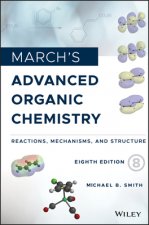
March's Advanced Organic Chemistry - Reactions, Mechanisms, and Structure, Eighth Edition
5423 Kč -

Organic Synthesis - The Disconnection Approach 2e
1189 Kč -

Organic Synthesis - Strategy and Control
1781 Kč -

Workbook for Organic Synthesis: The Disconnection Approach
1267 Kč -

Organic Chemistry: 100 Must-Know Mechanisms
1454 Kč -

Fundamentals of Organic Chemistry, International Edition
2603 Kč -

Way of Synthesis - Evolution of Design and Methods for Natural Products
2262 Kč -
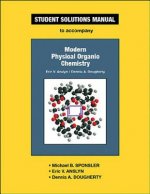
Student Solutions Manual for Modern Physical Organic Chemistry
1744 Kč -
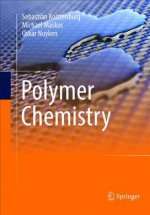
Polymer Chemistry
2223 Kč -

Organic Chemistry with Biological Applications
2839 Kč -

Workbook for Organic Synthesis - Strategy and Control
1545 Kč -

Organometallics and Catalysis: An Introduction
1447 Kč -

CCEA AS Unit 2 Chemistry Student Guide: Further Physical and Inorganic Chemistry and an Introduction to Organic Chemistry
401 Kč -

Silica Aerogel Composites
2357 Kč -

Chemistry of High Energy Materials
1791 Kč -

Mechanisms of Organic Reactions
1066 Kč -

Organic Stereochemistry
1066 Kč -

Nonlinear Optical Effects and Materials
1182 Kč -

Amino Acids and Proteins for the Athlete: The Anabolic Edge
6155 Kč -

Process Development
923 Kč -
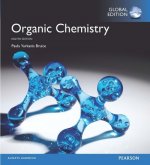
Study Guide and Solutions Manual for Organic Chemistry, Global Edition
2278 Kč -
Side Reactions in Peptide Synthesis
2483 Kč -

Organic Chemistry
3352 Kč -

Organotransition Metal Chemistry: From Bonding to Catalysis
3892 Kč
Osobní odběr Praha, Brno a 48004 dalších
Copyright ©2008-26 nejlevnejsi-knihy.cz Všechna práva vyhrazenaSoukromíCookies

 Vrácení do měsíce
 571 999 099 (8-15.30h)