Kód: 08218283
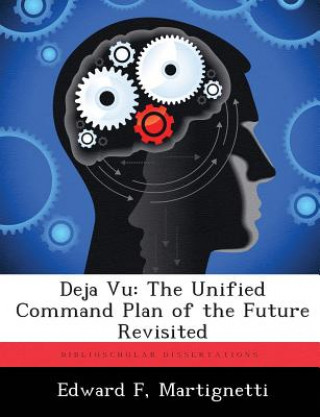
Deja Vu
Autor Edward F Martignetti
Military command-and-control structures must adapt to the environment in which they operate. Following World War II, command and control evolved to meet the conditions of the postwar era. Sixty years later, the international syste ... celý popis


- Jazyk:
 Angličtina
 - Vazba: Brožovaná
- Počet stran: 60
Nakladatelství: Biblioscholar, 2012
- Více informací o knize

1325 Kč
Dostupnost:
50 % šance Máme informaci, že by titul mohl být dostupný. Na základě vaší objednávky se ho pokusíme do 6 týdnů zajistit.
Prohledáme celý svět
Mohlo by se vám také líbit
-
Basic Grammar in Use, Fourth Edition - Student's Book with answers and interactive ebook
1109 Kč -

The CIA Book Club
556 Kč -

My Weirdest School #6: Mr. Nick Is a Lunatic!
142 Kč -

Napoleon at Dresden
714 Kč -

Вино из одуванчиков
382 Kč -

Müritz-Nationalpark
711 Kč -

MASSNAHMEN ZUR ANLEITUNG UND KONTROLLE DER SELBSTSTÄNDIGEN ARBEIT
893 Kč -

Darkstone Chronicles
554 Kč -

Miracle in Russia: Ron and Ginny Cook's Journey in Russian Mission
299 Kč -

Cultur, Benennung Und Beschreibung Der Rosen
1115 Kč -

Picturesque Tour from Geneva to Milan, by Way of the Simplon
471 Kč -

Life Insurance
444 Kč -

Beachfront Christmas Large Print (Solomons Island Book 4)
325 Kč -

Sex And Drugs And Sausage Rolls
385 Kč -

Short Stories from the Heartland
526 Kč -

Essential mathematics for studies in physics
552 Kč -

Master of the Keys
990 Kč -

Definitions Et Resume de Philosophie, Avec l'Histoire de la Philosophie (2e Ed) (Ed.1885)
402 Kč -

Chansons de P.-J. de Beranger. Nouvelle Edition (Ed.1826)
559 Kč -

Fire In My Soul
309 Kč -

Armenians, Koords, and Turks. Vol. I
615 Kč
Darujte tuto knihu ještě dnes
- Objednejte knihu a zvolte Zaslat jako dárek.
- Obratem obdržíte darovací poukaz na knihu, který můžete ihned předat obdarovanému.
- Knihu zašleme na adresu obdarovaného, o nic se nestaráte.
Informovat o naskladnění knihy
Zadejte do formuláře e-mailovou adresu a jakmile knihu naskladníme, zašleme vám o tom zprávu. Pohlídáme vše za vás.
Více informací o knize Deja Vu
Nákupem získáte 133 bodů
 Anotace knihy
Military command-and-control structures must adapt to the environment in which they operate. Following World War II, command and control evolved to meet the conditions of the postwar era. Sixty years later, the international system has again changed significantly. Military structures should evolve accordingly, placing particular emphasis on establishing a task-oriented approach to unity of command. This monograph follows the history of the evolutionary process of the Unified Command Plan (UCP) throughout the Cold War with a progressive look to the future of unity of command in the military. Given the fundamentally different geopolitical construct brought about in the current age, the author argues for a complete revision of the UCP based on distinct functional missions instead of the regional construct as is the practice today. The argument proposes unifying command based on mission, readiness, and sustainability. This recommendation boils down to a choice between a total overhaul, with all its political liabilities and organizational dissension, or to a continual process of incremental changes to the UCP as is the practice today. The author argues that the UCP should align the available military resources to the tasks assigned. The standing Joint Task Force concept should be used more to provide warfighter forces and peacekeeping forces to combatant commanders in order to accomplish National Security Strategy objectives. Studying the history of, and maturation of, unified command in the military displays how cultural, philosophical, doctrinal, and organizational differences among services (as well as among other government agencies) present problems to efficiency and effectiveness. The traditional military structure used to engage in foreign policy is no longer suitable for future challenges. Throughout this history, the military in general realized that unity of effort and unity of command are vitally important when aligned to efficient and effective joint milita
Parametry knihy
Zařazení knihy Knihy v angličtině Society & social sciences Education
1325 Kč
- Plný název: Deja Vu
- Podnázev: The Unified Command Plan of the Future Revisited
- Autor: Edward F Martignetti
- Jazyk: Angličtina
- Vazba: Brožovaná
- Počet stran: 60
- EAN: 9781286864630
- ISBN: 9781286864630
- ID: 08218283
- Nakladatelství: Biblioscholar
- Hmotnost: 132 g
- Rozměry: 187 × 247 × 3 mm
- Datum vydání: 26. October 2012
Oblíbené z jiného soudku
-

Oxford IB Diploma Programme: IB Theory of Knowledge Course Book
1578 Kč -

Cambridge IGCSE (R) & O Level Complete Physics: Student Book Fourth Edition
1026 Kč -

Imagine If...
276 Kč -

Deutsch Ferienhefte - 2. Klasse - Volksschule
217 Kč -

Oxford International Primary Maths Second Edition: Student Book 5
765 Kč -

KS3 Maths 10-Minute Weekly Workouts - Year 7
205 Kč -

Mathematik Ferienhefte - Volksschule - 2. Klasse
227 Kč -

Cambridge IGCSE (R) & O Level Complete Chemistry: Student Book Fourth Edition
1025 Kč -
Blue Book of Grammar and Punctuation: An Easy- to-Use Guide with Clear Rules, Real-World Examples , and Reproducible Quizzes, Twelfth Edition
359 Kč -

Maria Montessori's Erdkinder
979 Kč -
Oxford IB Diploma Programme: IB Economics Course Book
1648 Kč -

Oet Pharmacy Prep: Speaking Sub-Test
530 Kč -

geog.2 Workbook
285 Kč -

KS3 Maths 10-Minute Weekly Workouts - Year 8
205 Kč -
Pearson Edexcel AS and A level Mathematics Statistics & Mechanics Year 1/AS Textbook + e-book
508 Kč -

Pearson Edexcel International GCSE (9-1) English Language B Student Book
1358 Kč -

Richard NongardOs Big Book of Hypnosis Scripts
630 Kč -

Oxford IB Diploma Programme: Oxford IB Diploma Programme: IB Mathematics: applications and interpretation Standard Level Enhanced Online Course Book
2064 Kč -

Modern Accordion Technique (Pop Jazz Folk)
441 Kč -

The Jazz Accordion Complete Book
664 Kč -

iPrimary Building Blocks: Spelling, Punctuation, Grammar and Handwriting Year 1
406 Kč -

Writing Sci-Fi, Fantasy, & Horror For Dummies
442 Kč -
Identifying Japanese Seal Script
790 Kč -

Abenaki Dictionary
391 Kč -

Slanguage Dictionary: Caribbean and Latin American Slang Words and Phrases
414 Kč -

English for Medical Purposes: Spelling and Vocabulary
356 Kč -

Fokus DaF/DaZ
1697 Kč -

Educational Achievement in Japan
1399 Kč -

Teaching Young Singers
227 Kč -
Powerful Teaching: Unleash the Science of Learning
598 Kč -

Einkorn
412 Kč -

Business Partner B2 Workbook
403 Kč -

Oxford International Primary Maths Second Edition: Practice Book 2
440 Kč -

MOWIE PO POLSKU DWICZENIA POZIOM B1 I B2
382 Kč -

Cambridge IGCSE (R) & O Level Complete Biology: Student Book Fourth Edition
1025 Kč -

Business Partner B1 Workbook
450 Kč -

OET Preparation
214 Kč -

Deep Healing and Transformation
960 Kč -

Read Write Inc. Phonics: Red Ditty Book Bag Books (Mixed Pack of 10)
1717 Kč -
Oxford International Primary Maths Second Edition: Practice Book 1
440 Kč -

Growth Mindset Classroom-ready Resource Book
381 Kč -

Speed and Accuracy: Multiplication
139 Kč -

Freedom Writers Diary Teacher's Guide
425 Kč -

Oxford International Primary Maths Second Edition: Practice Book 5
440 Kč -

Education
247 Kč -

They Don't Teach This at School
445 Kč -

Oxford International Primary Maths Second Edition: Student Book 2
765 Kč -
Euclidean Geometry
629 Kč -
Oxford IB Study Guides: Economics for the IB Diploma
1293 Kč
Osobní odběr Praha, Brno a 46010 dalších
Copyright ©2008-26 nejlevnejsi-knihy.cz Všechna práva vyhrazenaSoukromíCookies

 Vrácení do měsíce
 571 999 099 (8-15.30h)