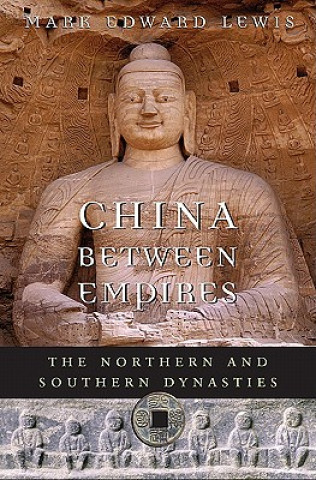
Kód: 04360270
China between Empires
Autor MarkEdward Lewis
After the collapse of the Han dynasty in the third century CE, China divided along a north-south line. Mark Lewis traces the changes that both underlay and resulted from this split in a period that saw the geographic redefinition ... celý popis


- Jazyk:
 Angličtina
 - Vazba: Brožovaná
- Počet stran: 352
Nakladatelství: Harvard University Press, 2011
- Více informací o knize


Mohlo by se vám také líbit
-

The Count of Monte Cristo
237 Kč -

Designing Data-Intensive Applications
1142 Kč -

Jujutsu Kaisen, Vol. 28
199 Kč -

The Deal
240 Kč -

Look Back
248 Kč -
George R. R. Martin's A Game of Thrones Leather-Cloth Boxed Set (Song of Ice and Fire Series)
1352 Kč -

Cozy Days
153 Kč -

Heaven
206 Kč -

Song of Achilles
206 Kč -

Wuthering Heights
182 Kč -

The Infinite and The Divine
224 Kč -

Anna Karenina
243 Kč -

Recursion
227 Kč -
Shadow and Bone Boxed Set
637 Kč -

How to Build a Car
637 Kč -
The Lessons of History
226 Kč -

Mindful Self-Compassion Workbook
437 Kč -
Tarot of the Abyss
379 Kč -

The Wild Unknown Archetypes Deck and Guidebook
654 Kč -
NIV Holy Bible - Anglicised Black Gift and Award
204 Kč -
Luna Coloring Book
401 Kč -

Memories, Dreams, Reflections
314 Kč -

Delicious in Dungeon, Vol. 8
263 Kč -

First Thousand Words in Spanish
196 Kč -

The Fantastic Worlds of Frank Frazetta. 45th Ed.
566 Kč -

His Dark Materials
530 Kč -

CATCH 22
334 Kč -
Journey to the West, Revised Edition, Volume 1
828 Kč -

Where's Wally? In Hollywood
150 Kč -

Mycelium Running
615 Kč -
Cartoon Animation with Preston Blair, Revised Edition!
335 Kč -

BAO
734 Kč -

Mastering the Art of French Cooking, Vol.2
366 Kč -

Month in the Country
219 Kč -

Dream Plants for the Natural Garden
488 Kč -

The Origin of Consciousness in the Breakdown of the Bicameral Mind
439 Kč -

Star Wars: The Dark Lord Trilogy
471 Kč -

Landmark Herodotus
624 Kč -
Good Omens: The Nice and Accurate Prophecies of Agnes Nutter, Witch
145 Kč -
Words of Radiance
227 Kč -

Art Of Cuphead
801 Kč -

Modern Man in Search of a Soul,
350 Kč -

The Way of Men
279 Kč -

New Photo Series 1: Camera
582 Kč -

A Month in the Country
294 Kč -

The Pandas Who Promised Board Book
178 Kč -

My First Keyboard Book
335 Kč -

Canterbury Tales
129 Kč -

Dragon Ball Full Color Saiyan Arc, Vol. 1
479 Kč -
China's Last Empire
687 Kč -

Before the Coffee Gets Cold
215 Kč -

Field Guide to the Amphibians and Reptiles of Britain and Europe
1011 Kč -

Roll Model
757 Kč -

The Disconnected Kids Nutrition Plan
316 Kč -

Early Chinese Empires
640 Kč -

China's Cosmopolitan Empire
567 Kč -

Get Smart Plus 1. Student's Book
506 Kč -
Age of Confucian Rule
687 Kč -

The Power of Your Subconscious Mind
231 Kč -

Bhagavad Gita (Deluxe Silk Hardbound)
278 Kč -
Lean Thinking
661 Kč -
Star Wars: The Essential Atlas
624 Kč -

Forever Dog
409 Kč -

I'm a Big Sister
196 Kč -

Postman
285 Kč -

The Kingdom of Wrenly Ten-Book Collection (Boxed Set): The Lost Stone; The Scarlet Dragon; Sea Monster!; The Witch's Curse; Adventures in Flatfrost; B
1264 Kč -
Poetics of Relation
629 Kč -

Vital Rationalist - Selected Writings from Georges Canguilhem
599 Kč -

Imperial China, 900-1800
987 Kč -

Encyclopaedia Of Healing Foods
554 Kč -
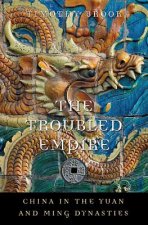
Troubled Empire
687 Kč -
God And His Demons
627 Kč -

The Mortifying Ordeal of Being Seen, Vol. 1
204 Kč -
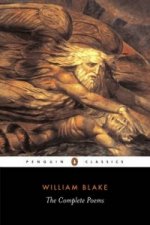
Complete Poems
379 Kč -

Critical Role: The Chronicles Of Exandria The Mighty Nein
743 Kč -

Italian English Illustrated Dictionary
479 Kč -

MONSTER SIZED HELLBOY
2937 Kč -

Clara & the Devil: Collection One
325 Kč -

Ansel Adams' 400 Photographs
966 Kč -
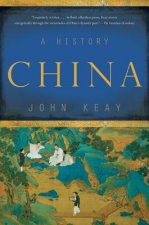
China
443 Kč -

China's Golden Age
423 Kč -

Little Primer Of Tu Fu
302 Kč -

101 Ancient Chinese Poems
196 Kč -

Cityboy: Beer and Loathing in the Square Mile
313 Kč -

Rise And Fall Of The British Empire
420 Kč -
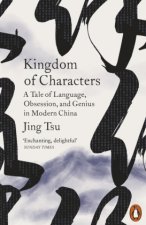
Kingdom of Characters
284 Kč -

1965: The Most Revolutionary Year in Music
412 Kč -

China's Grand Strategy
1092 Kč -

The History of the British Empire in India
837 Kč -

The Bohemian Grove: Facts & Fiction
359 Kč -

Mexislang
355 Kč -

On Duties
404 Kč -

Cambridge History of China: Volume 1, The Ch'in and Han Empires, 221 BC-AD 220
4412 Kč -

Behind the Red Door
403 Kč -

Cambridge History of China: Volume 5, The Sung Dynasty and its Precursors, 907-1279, Part 1
4412 Kč -

Lives of the Great Commanders
445 Kč -

New American Grandparent
1009 Kč -

Chinese Warfighting: The PLA Experience since 1949
1884 Kč
Dárkový poukaz: Radost zaručena
- Darujte poukaz v libovolné hodnotě a my se postaráme o zbytek.
- Poukaz se vztahuje na celou naši nabídku.
- Elektronický poukaz vytisknete z e-mailu a můžete ihned darovat.
- Platnost poukazu je 12 měsíců od data vystavení.
Více informací o knize China between Empires
Nákupem získáte 69 bodů
 Anotace knihy
After the collapse of the Han dynasty in the third century CE, China divided along a north-south line. Mark Lewis traces the changes that both underlay and resulted from this split in a period that saw the geographic redefinition of China, more engagement with the outside world, significant changes to family life, developments in the literary and social arenas, and the introduction of new religions. The Yangzi River valley arose as the rice-producing center of the country. Literature moved beyond the court and capital to depict local culture, and newly emerging social spaces included the garden, temple, salon, and country villa. The growth of self-defined genteel families expanded the notion of the elite, moving it away from the traditional great Han families identified mostly by material wealth. Trailing the rebel movements that toppled the Han, the new faiths of Daoism and Buddhism altered every aspect of life, including the state, kinship structures, and the economy. By the time China was reunited by the Sui dynasty in 589 ce, the elite had been drawn into the state order, and imperial power had assumed a more transcendent nature. The Chinese were incorporated into a new world system in which they exchanged goods and ideas with states that shared a common Buddhist religion. The centuries between the Han and the Tang thus had a profound and permanent impact on the Chinese world.
Parametry knihy
Zařazení knihy Knihy v angličtině Humanities History History: earliest times to present day
687 Kč
- Plný název: China between Empires
- Autor: MarkEdward Lewis
- Jazyk: Angličtina
- Vazba: Brožovaná
- Počet stran: 352
- EAN: 9780674060357
- ISBN: 0674060350
- ID: 04360270
- Nakladatelství: Harvard University Press
- Hmotnost: 396 g
- Rozměry: 232 × 155 × 24 mm
- Datum vydání: 30. April 2011
Oblíbené z jiného soudku
-

Tuesdays With Morrie
243 Kč -
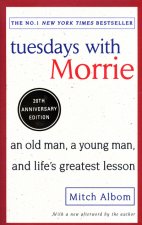
Tuesdays With Morrie
253 Kč -
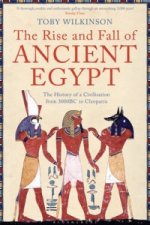
Rise and Fall of Ancient Egypt
379 Kč -

The Origins of Totalitarianism
304 Kč -
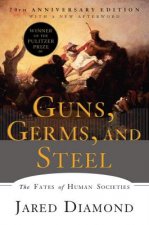
Guns, Germs, and Steel
244 Kč -
Gallic War
182 Kč -
Peloponnesian War
306 Kč -
On Tyranny
243 Kč -
Histories
198 Kč -

Socialism and Man in Cuba
118 Kč -
Augustus
441 Kč -
24 Hours in Ancient Athens
188 Kč -
Thucydides' Peloponnesian War
641 Kč -

Yoga Body
392 Kč -
Oxford Handbook of Neolithic Europe
1342 Kč -
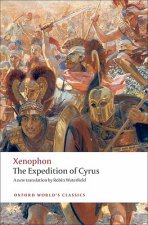
Expedition of Cyrus
243 Kč -

Cold War
335 Kč -

Etruscans: A Very Short Introduction
231 Kč -

Medieval Dagger
564 Kč -

Confronting the Classics
270 Kč -

Roman Auxiliary Forts 27 BC-AD 378
387 Kč -
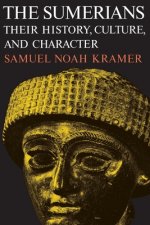
Sumerians
929 Kč -

Flags of the Napoleonic Wars (1)
292 Kč -

Catalaunian Fields AD 451
440 Kč -

Last Pagan Emperor
677 Kč -

Chronicle of the Czechs
897 Kč -

Six Minutes to Freedom
382 Kč -
Three Book Sebald Set
934 Kč -

At the Forward Edge of Battle
478 Kč -

Rhodesian Fire Force 1966-80
468 Kč -

Flags of the Napoleonic Wars (2)
359 Kč -
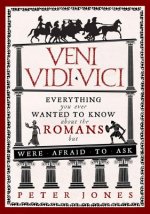
Veni, Vidi, Vici
268 Kč -

War Damage in Western Europe
924 Kč -

Ukraine
1147 Kč -

Three Ages of the Italian Renaissance
931 Kč -

After the Reich
419 Kč -
Plotinus on Self
1316 Kč -
Hannibal
440 Kč -

First They Killed My Father
291 Kč -

Gentrification of the Mind
631 Kč -

Bury the Chains
379 Kč -

Afterlives
615 Kč -
Ancient City
324 Kč -
Carthage Must Be Destroyed
379 Kč -

Berlin Wall
366 Kč -

Medieval Costume and How to Make It
271 Kč -

Illustrated Encyclopedia of Uniforms of World War I
517 Kč -
Illuminated Manuscripts
204 Kč -

From Third World to First
293 Kč
Osobní odběr Praha, Brno a 48503 dalších
Copyright ©2008-26 nejlevnejsi-knihy.cz Všechna práva vyhrazenaSoukromíCookies

 Vrácení do měsíce
 571 999 099 (8-15.30h)