Kód: 04036183
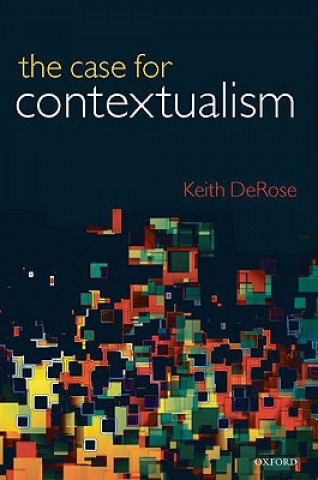
Case for Contextualism
Autor Keith Derose
It's an obvious enough observation that the standards that govern whether ordinary speakers will say that someone knows something vary with context: What we are happy to call "knowledge" in some ("low-standards") contexts we'll de ... celý popis


- Jazyk:
 Angličtina
 - Vazba: Pevná
- Počet stran: 294
Nakladatelství: Oxford University Press, 2009
- Více informací o knize


Mohlo by se vám také líbit
-

Moonwalk
283 Kč -

The Score
276 Kč -

The Deal
254 Kč -

The Mistake
227 Kč -

Jujutsu Kaisen, Vol. 30
227 Kč -

The Goal
276 Kč -

Berserk Deluxe Volume 1
779 Kč -

Invincible Compendium Volume 2
1167 Kč -

Berserk Deluxe Volume 2
837 Kč -

Legacy
254 Kč -

Lord of Mysteries, Vol. 3: The Clown, Part III
338 Kč -

Murdoku
358 Kč -

Witch Hat Atelier: Grimoire Edition 1
1130 Kč -

JoJo's Bizarre Adventure: Part 7--Steel Ball Run, Vol. 7
427 Kč -

Jujutsu Kaisen, Vol. 25
221 Kč -

Witch Hat Atelier Manga Box Set 1
1241 Kč -

Heated Rivalry
227 Kč -

Jujutsu Kaisen, Vol. 26
225 Kč -

The Deal
334 Kč -

Moonwalk: A Memoir
518 Kč -

Berserk Deluxe Volume 3
779 Kč
Darujte tuto knihu ještě dnes
- Objednejte knihu a zvolte Zaslat jako dárek.
- Obratem obdržíte darovací poukaz na knihu, který můžete ihned předat obdarovanému.
- Knihu zašleme na adresu obdarovaného, o nic se nestaráte.
Více informací o knize Case for Contextualism
Nákupem získáte 197 bodů
 Anotace knihy
It's an obvious enough observation that the standards that govern whether ordinary speakers will say that someone knows something vary with context: What we are happy to call "knowledge" in some ("low-standards") contexts we'll deny is "knowledge" in other ("high-standards") contexts. But do these varying standards for when ordinary speakers will attribute knowledge, and for when they are in some important sense warranted in attributing knowledge, reflect varying standards for when it is or would be true for them to attribute knowledge? Or are the standards that govern whether such claims are true always the same? And what are the implications for epistemology if these truth-conditions for knowledge claims shift with context? Contextualism, the view that the epistemic standards a subject must meet in order for a claim attributing "knowledge" to her to be true do vary with context, has been hotly debated in epistemology and philosophy of language during the last few decades. In The Case for Contextualism Keith DeRose offers a sustained state-of-the-art exposition and defense of the contextualist position, presenting and advancing the most powerful arguments in favor of the view and against its "invariantist" rivals, and responding to the most pressing objections facing contextualism.
Parametry knihy
Zařazení knihy Knihy v angličtině Language linguistics Philosophy of language
1970 Kč
- Plný název: Case for Contextualism
- Autor: Keith Derose
- Jazyk: Angličtina
- Vazba: Pevná
- Počet stran: 294
- EAN: 9780199564460
- ISBN: 0199564469
- ID: 04036183
- Nakladatelství: Oxford University Press
- Hmotnost: 600 g
- Rozměry: 240 × 163 × 20 mm
- Datum vydání: 07. May 2009
Osobní odběr Praha, Brno a 46865 dalších
Copyright ©2008-26 nejlevnejsi-knihy.cz Všechna práva vyhrazenaSoukromíCookies

 Vrácení do měsíce
 571 999 099 (8-15.30h)