Kód: 04518920
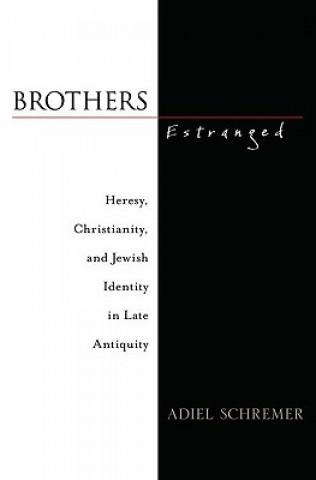
Brothers Estranged
Autor Adiel Schremer
The emergence of formative Judaism has traditionally been examined in light of a theological preoccupation with the two competing religious movements, 'Christianity' and 'Judaism' in the first centuries of the Common Era. In this ... celý popis


- Jazyk:
 Angličtina
 - Vazba: Pevná
- Počet stran: 296
Nakladatelství: Oxford University Press Inc, 2010
- Více informací o knize


Mohlo by se vám také líbit


Darujte tuto knihu ještě dnes
- Objednejte knihu a zvolte Zaslat jako dárek.
- Obratem obdržíte darovací poukaz na knihu, který můžete ihned předat obdarovanému.
- Knihu zašleme na adresu obdarovaného, o nic se nestaráte.
Více informací o knize Brothers Estranged
Nákupem získáte 256 bodů
 Anotace knihy
The emergence of formative Judaism has traditionally been examined in light of a theological preoccupation with the two competing religious movements, 'Christianity' and 'Judaism' in the first centuries of the Common Era. In this book Ariel Schremer attempts to shift the scholarly consensus away from this paradigm, instead privileging the rabbinic attitude toward Rome, the destroyer of the temple in 70 C.E., over their concern with the nascent Christian movement. The palpable rabbinic political enmity toward Rome, says Schremer, was determinative in the emerging construction of Jewish self-identity. He asserts that the category of heresy took on a new urgency in the wake of the trauma of the Temple's destruction, which demanded the construction of a new self-identity. Relying on the late 20th-century scholarly depiction of the slow and measured growth of Christianity in the empire up until and even after Constantine's conversion, Schremer minimizes the extent to which the rabbis paid attention to the Christian presence. He goes on, however, to pinpoint the parting of the ways between the rabbis and the Christians in the first third of the second century, when Christians were finally assigned to the category of heretics.
Parametry knihy
Zařazení knihy Knihy v angličtině Humanities Religion & beliefs Christianity
2559 Kč
- Plný název: Brothers Estranged
- Podnázev: Heresy, Christianity and Jewish Identity in Late Antiquity
- Autor: Adiel Schremer
- Jazyk: Angličtina
- Vazba: Pevná
- Počet stran: 296
- EAN: 9780195383775
- ISBN: 019538377X
- ID: 04518920
- Nakladatelství: Oxford University Press Inc
- Hmotnost: 565 g
- Rozměry: 243 × 162 × 22 mm
- Datum vydání: 18. February 2010
Oblíbené z jiného soudku
-
Orthodox Study Bible
816 Kč -
Confessions
236 Kč -
Orthodox Church
318 Kč -
The Holy Bible - King James Version
276 Kč -

Holy Bible: English Standard Version (ESV) Anglicised Black Gift and Award edition
242 Kč -
The Practice of the Presence of God
136 Kč -
Awareness
248 Kč -

Wisdom of the Enneagram
397 Kč -
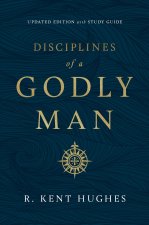
Disciplines of a Godly Man
319 Kč -

The Urantia Book
334 Kč -

Anna, Grandmother of Jesus
319 Kč -
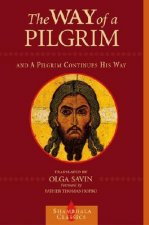
Way of a Pilgrim and A Pilgrim Continues His Way
377 Kč -

Mere Christianity
235 Kč -

Wild at Heart Expanded Edition
334 Kč -
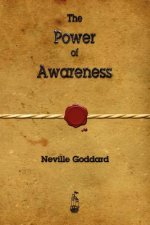
Power of Awareness
195 Kč -
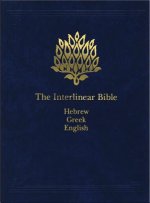
Bible
1427 Kč -

KJV Holy Bible, Personal Size Giant Print Reference Bible, Burgundy Bonded Leather, 43,000 Cross References, Red Letter, Comfort Print: King James Ver
511 Kč -

Boundaries Updated and Expanded Edition
335 Kč -
Case for Christ
183 Kč -
The Wounded Healer
288 Kč -
The Neville Goddard Collection
588 Kč -
Orthodoxy
122 Kč -

KJV Bible 1611 Edition
691 Kč -
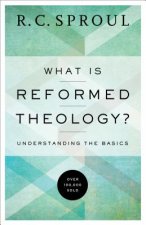
What Is Reformed Theology? - Understanding the Basics
334 Kč -

Living Buddha, Living Christ
303 Kč -

Life-Giving Home, The
319 Kč -
NIV Holy Bible - Anglicised Black Gift and Award
205 Kč -
ESV Study Bible
879 Kč -
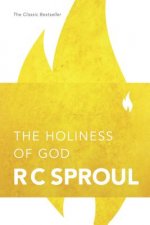
Holiness Of God, The
319 Kč -
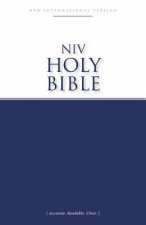
NIV, Economy Bible, Paperback
114 Kč -

HOLY BIBLE: King James Version (KJV) White Presentation Edition
423 Kč -

101 Questions to Ask Before You Get Engaged
241 Kč -

And David Perceived He Was King
516 Kč -

Life of St Teresa of Avila by Herself
288 Kč -

Urantia Book
412 Kč -

Imagination Creates Reality
151 Kč -
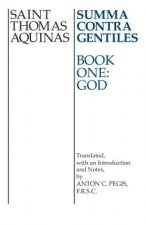
Summa Contra Gentiles
857 Kč -

Hebrew Grammar for Beginners
210 Kč -
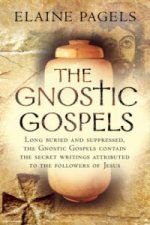
Gnostic Gospels
248 Kč -

Power to Heal
303 Kč -
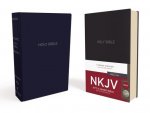
NKJV, Gift and Award Bible, Leather-Look, Blue, Red Letter, Comfort Print
175 Kč -
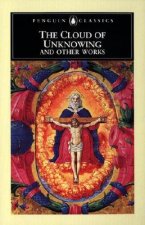
Cloud of Unknowing and Other Works
292 Kč -
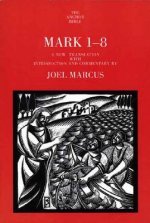
Mark 1-8
1121 Kč -
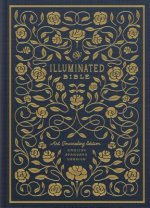
ESV Illuminated (TM) Bible, Art Journaling Edition
879 Kč -
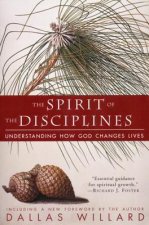
The Spirit of the Disciplines
303 Kč -

ESV Illuminated Scripture Journal
272 Kč -
Ragamuffin Gospel
309 Kč -
New Testament in the Original Greek
539 Kč -

Boundaries in Dating
334 Kč
Osobní odběr Praha, Brno a 45817 dalších
Copyright ©2008-26 nejlevnejsi-knihy.cz Všechna práva vyhrazenaSoukromíCookies

 Vrácení do měsíce
 571 999 099 (8-15.30h)