Kód: 53808032
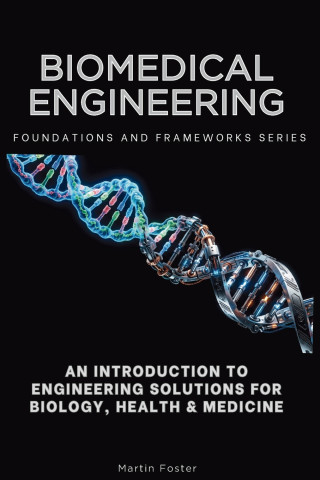
Biomedical Engineering
Autor Martin Foster
Biomedical engineering is what happens when engineers point their tools at the human body. This introduction gives you a working map of the field: what it covers, how the pieces fit together, and where the hard problems still sit. ... celý popis


- Jazyk:
 Angličtina
 - Vazba: Brožovaná
- Počet stran: 138
Nakladatelství: PublishDrive, 2026
- Více informací o knize


Mohlo by se vám také líbit
-

Threshing Day (Wing and Claw Collection)
400 Kč -

Threshing Day (Limited Deluxe Edition)
473 Kč -

Murdoku
334 Kč -

Berserk Deluxe Volume 1
878 Kč -

What Happened Yesterday
380 Kč -

White Nights
89 Kč -

Berserk Deluxe Volume 2
942 Kč -

Berserk Deluxe Volume 3
801 Kč -

Court of Thorns and Roses 6
358 Kč -

Jojo's Bizarre Adventure: Part 7--Steel Ball Run, Vol. 8
427 Kč -

Onyx Storm (Deluxe Limited Edition) (The Empyrean, 3)
551 Kč -

Dancing The Dream
482 Kč -

Kid's Box New Generation Level 2 Activity Book with Digital Pack British English
251 Kč -

21 Days of Fear
381 Kč -

Yesteryear
325 Kč -

Murdoku
379 Kč -

The Courage To Be Disliked
206 Kč -

Kid's Box New Generation Level 3 Activity Book with Digital Pack British English
251 Kč -

Kid's Box New Generation Level 1 Activity Book with Digital Pack British English
251 Kč -

Witch Hat Atelier: Grimoire Edition 1
801 Kč -

The Count of Monte Cristo
227 Kč
Darujte tuto knihu ještě dnes
- Objednejte knihu a zvolte Zaslat jako dárek.
- Obratem obdržíte darovací poukaz na knihu, který můžete ihned předat obdarovanému.
- Knihu zašleme na adresu obdarovaného, o nic se nestaráte.
Informovat o naskladnění knihy
Zadejte do formuláře e-mailovou adresu a jakmile knihu naskladníme, zašleme vám o tom zprávu. Pohlídáme vše za vás.
Více informací o knize Biomedical Engineering
Nákupem získáte 39 bodů
 Anotace knihy
Biomedical engineering is what happens when engineers point their tools at the human body. This introduction gives you a working map of the field: what it covers, how the pieces fit together, and where the hard problems still sit.
Nine chapters run in order, each building on the one before, so you can read straight through or jump to the topic you need. The biology gets explained in terms an engineer already thinks in, using forces, signals, materials, and systems, and no advanced degree is assumed anywhere in the book.
The chapters cover:
- What people in the field actually do for a living, the subfields they work in, and how the design process changes when a living patient is part of the system
- Human anatomy for engineers: the heart as a pump, bone and muscle as structure, nerves as signal carriers, lungs as gas exchangers, and the cell as the unit everything is built from
- Metals, ceramics, and polymers used in implants, plus the foreign body response and why biocompatibility depends on the job a material does rather than the material itself
- Biomechanics, including gait analysis, joint reaction forces, stress and strain in tissue, blood flow through vessels, and hip and knee designs built to survive decades of loading
- Biopotential measurement, sensor types, noise reduction, and the design constraints on anything worn on the body or implanted inside it
- The physics behind X-ray, CT, MRI, ultrasound, and PET, along with the reconstruction algorithms that turn raw detector data into an image a radiologist can read
- ECG and EEG analysis, filtering methods for messy physiological data, and machine learning applied to signal classification
- Stem cells, scaffold fabrication, bioreactors, 3D bioprinting, organ-on-a-chip systems, and skin regeneration, with a straight account of what already helps patients and what remains years away
- FDA approval pathways, device classification, risk management, clinical trials, patents, and the ethical rules governing research on human subjects
Written for readers who want the whole picture before going deeper:
- Students weighing a degree in the discipline or applying to programs
- Nurses, technicians, and clinicians who want to understand the machines they use every shift
- Mechanical, electrical, and materials engineers considering a move into medical devices
- Anyone curious about how a cochlear implant or an artificial hip really works
Every chapter ends with questions, and example answers are included so you can check your own thinking. A historical timeline traces the field in order, starting with a 3,000-year-old Egyptian prosthetic toe and running through Rontgen, Einthoven, and the iron lung to the software reading heartbeats today. A glossary defines every term introduced, and a works cited section points toward the sources behind the material.
You come away with the vocabulary and the mental framework to keep learning, whether that means a degree program, a job in industry, or simply reading medical technology news with a sharper eye.
Parametry knihy
389 Kč
- Plný název: Biomedical Engineering
- Podnázev: An Introduction to Engineering Solutions for Biology, Health & Medicine
- Autor: Martin Foster
- Jazyk: Angličtina
- Vazba: Brožovaná
- Počet stran: 138
- EAN: 9798900421315
- ID: 53808032
- Nakladatelství: PublishDrive
- Hmotnost: 196 g
- Rozměry: 229 × 152 × 8 mm
- Datum vydání: 01. September 2026
Osobní odběr Praha, Brno a 47805 dalších
Copyright ©2008-26 nejlevnejsi-knihy.cz Všechna práva vyhrazenaSoukromíCookies

 Vrácení do měsíce
 571 999 099 (8-15.30h)