Kód: 46883369
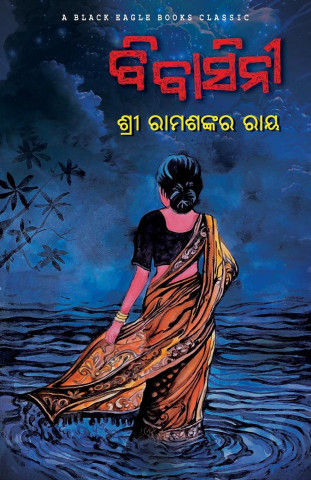
Bibasini
Autor Ramashankar Ray
Ramshankar Ray's Bibasini (1891), believed to be the second full length novel in Odia, the first being Umesh Chandra Sarkar's Padmamali (1888), is a novel with an intricately woven plot structure written in style that is at once d ... celý popis


- Jazyk:
 Urijština
 - Vazba: Brožovaná
- Počet stran: 220
Nakladatelství: BLACK EAGLE BOOKS, 2024
- Více informací o knize


Mohlo by se vám také líbit
-

English for Designers / Английский для дизайнеров. Учебное пособие для бакалавров
841 Kč -

Mi vida contigo
134 Kč -

Latin American Social Movements and Progressive Governments
2435 Kč -

Manual de laboratorio del motor de combustión interna
1014 Kč -

How to Look at Stained Glass
525 Kč -

The Mission Impossiable: Chasing a Dream
339 Kč -

Der heilige Bruno
329 Kč -

Serie Vida en Plenitud: La Familia Llena del Espiritu
292 Kč -

Miettes
975 Kč -

Computer Vision for X-Ray Testing
1154 Kč -

Ökonomisierung des Sports. Bedeutung und Wirkungen des Sportsponsorings
975 Kč -

My Retirement Vehicle: 120 Pages I 6x9 I Dot Grid I Funny Boating, Sailing & Vacation Gifts
196 Kč -

City Of A Great King Book Two
299 Kč -

"Willehalm" Wolframs von Eschenbach
2732 Kč -

Tahiti
813 Kč -

State, Sovereignty, War
412 Kč -

Keyboard World 1
795 Kč -

Theories of Development
1691 Kč -

Klimatsmart och fullkomligt förvirrad
364 Kč -

The Baby is Coming
330 Kč -

Économie politique de la Tunisie et du Maghreb
721 Kč
Darujte tuto knihu ještě dnes
- Objednejte knihu a zvolte Zaslat jako dárek.
- Obratem obdržíte darovací poukaz na knihu, který můžete ihned předat obdarovanému.
- Knihu zašleme na adresu obdarovaného, o nic se nestaráte.
Více informací o knize Bibasini
Nákupem získáte 42 bodů
 Anotace knihy
Ramshankar Ray's Bibasini (1891), believed to be the second full length novel in Odia, the first being Umesh Chandra Sarkar's Padmamali (1888), is a novel with an intricately woven plot structure written in style that is at once descriptive, informative, and lyrical. Viewed mostly as a work of fiction delicately poised between a historical romance and a socio-political narrative, Bibasini relates to the period of Maratha hegemony over Odisha spanning from 1751 till the British occupation of the province in 1803. It holds out a panoramic view of Odisha reeling under the tyranny of the Maratha ruler Shambhuji Ganesh Rao during 1769 to 1771, and of the native resistance offered in terms of sporadic but organised assaults launched on the oppressors and collaborators by the Bhuyan dacoits acting at the instances and with the support of the king of Kujanga, Paradip.
The plot that seemingly centres round a tragic love story is actually a complex one, knitting many strands of random episodes into an attractive and coherent tale of unmerited suffering, of crime and vengeance, of sin and retribution. The novel is thronged with characters from different socio-cultural backgrounds, portraying multiple contours of Odisha, the social, cultural, economic and religious ones being the most pronounced amongst them. The novel chronicles the agrarian crisis in Odisha during the Maratha rule and the debacle of the famine that threatened to bring the peasantry of Odisha down to a state of collapse. It narrates the hardship and the misery of the common man especially those who earned their living through farming, had to pass through under the repressive measures of a tyrannous governance and the selfishness and all-devouring avarice of the moneyed local landowners or zamindars.
It is also a gripping tale of a band of burglars, motivated by a romanticised ideal of plundering the rich to sustain the poor, assuming the role of the vindicators of socio-economic equality. They declare themselves as the god's chosen moral agents for delivering violent justice to the wrongdoers. At the same time the novel camouflages a satire on the hollow morals of a socio-cultural system that compels a Hindu widow to practice religious austerity and denies her the right of living the life of a normal woman.
The novel also details the spread of a new religious cult, Vaishnavism, in Odisha that advocated the worship of Lord Hari( Vishnu) and pleaded against a discriminatory caste system that deprived the people of the lesser caste and poor economic status of their legitimate rights. The preachings of the Vaishnava monks Hanuman Dasa and Giridhari Dasa, appears to reflect a semblance of the mystique.
Parametry knihy
Zařazení knihy Knihy v němčině Belletristik Erzählende Literatur Hauptwerk vor 1945
424 Kč
- Plný název: Bibasini
- Autor: Ramashankar Ray
- Jazyk: Urijština
- Vazba: Brožovaná
- Počet stran: 220
- EAN: 9781645606109
- ISBN: 1645606104
- ID: 46883369
- Nakladatelství: BLACK EAGLE BOOKS
- Hmotnost: 317 g
- Rozměry: 216 × 140 × 14 mm
- Datum vydání: 07. November 2024
Oblíbené z jiného soudku
-

Onyx Storm (Deluxe Limited Edition) (The Empyrean, 3)
551 Kč -

Restitution
227 Kč -

Insatiable
227 Kč -

Voracious
227 Kč -

Little Stranger
324 Kč -

Little Mushroom (Deluxe Hardcover Novel) Vol. 1
472 Kč -
The Gate of the Feral Gods
465 Kč -

Psychotic Obsession
243 Kč -

The Butcher's Masquerade
455 Kč -

Little Liar
561 Kč -

For the Fans
349 Kč -

The Emperor's Enemy (Deluxe Limited Edition)
592 Kč -

The Eye of the Bedlam Bride
441 Kč -

Grandmaster of Demonic Cultivation: Mo DAO Zu Shi (Deluxe Hardcover Novel) Vol. 5
356 Kč -

This Inevitable Ruin
455 Kč -

Releasing 10
227 Kč -

The Long Game
227 Kč -

I Have No Mouth and I Must Scream
294 Kč -

A court of silver flames
227 Kč -

Role Model
227 Kč -

Ballad of Sword and Wine: Qiang Jin Jiu (Novel) Vol. 8 (Special Edition)
448 Kč -

Daybreak
239 Kč -

Heated Rivalry
227 Kč -

Tough Guy
227 Kč -

The Correspondent
206 Kč -

Common Goal
227 Kč -

Goodbye, Eri
303 Kč -

I Want You to Be Happy
325 Kč -

Daggermouth
610 Kč -

Kiss the Villain
178 Kč -

Lights Out
227 Kč -

Tempting Venom
227 Kč -

If It Makes You Happy
219 Kč -

Grim Tidings
226 Kč -

Case File Compendium: Bing an Ben (Novel) Vol. 9
319 Kč -

Caught Up
227 Kč -

Red Rising 3-Book Box Set
637 Kč -

Chokehold
555 Kč -

Fallen Rook (Deluxe Edition)
362 Kč -

Tempting Venom (Deluxe Edition)
340 Kč -

Lonesome Dove
276 Kč -

Game Changer
227 Kč -

John of John
358 Kč -

King of Gluttony
227 Kč -

Taiwan Travelogue
318 Kč -

The Goal (Collector's Edition)
497 Kč -

Heart the Lover
221 Kč -

Rebecca
229 Kč -

The Disappearers
375 Kč
Osobní odběr Praha, Brno a 48132 dalších
Copyright ©2008-26 nejlevnejsi-knihy.cz Všechna práva vyhrazenaSoukromíCookies

 Vrácení do měsíce
 571 999 099 (8-15.30h)