Kód: 46951372
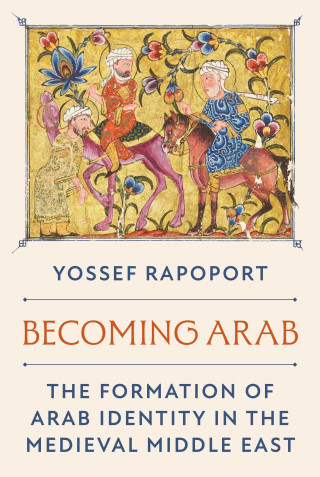
Becoming Arab
Autor Yossef Rapoport
How late medieval Middle Eastern peasants adopted Arab cultural identities and formed village clansDuring the later Middle Ages, peasants in Egypt and Greater Syria came to view themselves as members of Arab clans that had origina ... celý popis


- Jazyk:
 Angličtina
 - Vazba: Pevná
- Počet stran: 352
Nakladatelství: Princeton University Press, 2026
- Více informací o knize


Mohlo by se vám také líbit
-

Older
213 Kč -

State and Revolution
284 Kč -

Absolute Wonder Woman Vol. 2
539 Kč -

How Propaganda Works
358 Kč -

Nervous Conditions
227 Kč -

Pixi-Bundle 8er Serie 275: Connis bunte Welt (8x1 Exemplar)
195 Kč -

Ego, Hunger and Aggression
793 Kč -

Psychology of Intelligence Analysis
335 Kč -

Objective Proficiency Student's Book Pack
1471 Kč -

Ikebana Unbound
423 Kč -

Kicia Kocia i Nunuś. Na spacerze
105 Kč -

Heartstopper Volume One
424 Kč -

Man's Search for Himself
294 Kč -

Fashion Patternmaking Techniques for Accessories: Shoes, Bags, Hats, Gloves, Ties, Buttons and Dog Clothing
723 Kč -

Pearson Edexcel International GCSE (9-1) Biology Student Book
1173 Kč -

Rising for Palestine
438 Kč -

Companeros 2 Ćwiczenia + klucz dostępu
748 Kč -

Japanese Home Cooking
751 Kč -

Dungeons & Dragons Pocket Expert
178 Kč -

Lego Technic Idea Book: Simple Machines
448 Kč -

Mystic River
248 Kč -

Cereal City Guide: Paris
403 Kč -

Map of the Soul - Persona
349 Kč -

The Adventures of Sherlock Holmes
254 Kč -

A Perfect Eye and Steady Hand
766 Kč -

Bourgery: Atlas of Human Anatomy and Surgery
501 Kč -

Creating Stylized Characters
615 Kč -

500 Patterns
537 Kč -

GUSTAVE DORE MASTERPIECES OF ART
308 Kč -

Alien Next Door
371 Kč -

Net Positive
503 Kč -

Photovoltaic Design & Installation For Dummies
503 Kč -

Big Book of Colouring for Boys
179 Kč -

Fly High Level 4 Pupil's Book and CD Pack
753 Kč -

Photo Odyssey: Alpine village, Switzerland
249 Kč -

Air Gear Unlimited T03
304 Kč -

Psychologia. Przewodnik dla lubiących rozkminiać bez bólu
213 Kč -

Ski Touring
471 Kč -

Dal Cookbook
620 Kč -

Mor 1480-1730
395 Kč -

Ravensburger Puzzle 12000726 - Pokémon Classics - 1500 Teile Puzzle für Erwachsene und Kinder ab 14 Jahren, Pokémon Puzzle
446 Kč -

Omori. Tom 1
193 Kč -

Harry Potter i Czara Ognia
361 Kč -

Linear Algebra
1130 Kč -

Bambino
474 Kč -

Knowledge Encyclopedia for Children : Science
714 Kč -

The Post-Bop Drum Book: A Complete Overview of Contemporary Jazz Drumming by Mike Clark (Book/Online Media)
425 Kč -

Śladowanki Uczymy się pisać 5+
52 Kč -

Alienacja rodzicielska z perspektywy nauki i prawa
1368 Kč -

Domowa kuchnia japońska
381 Kč -

BINDWEED FAIRY PENCIL CASE
393 Kč -

Feuding Fan Dancers: Faith Bacon, Sally Rand, and the Golden Age of the Showgirl
354 Kč -

Detectives Salvajes
401 Kč -

Reading Herzl in Beirut – The PLO Effort to Know the Enemy
780 Kč -

Empire of Salons – Conquest and Community in Early Modern Ottoman Lands
841 Kč -

Marriage, Money and Divorce in Medieval Islamic Society
1247 Kč -

The Green Ripper
373 Kč -

Defining Neighbors
1017 Kč -

Cranberries: The Cranberries Mtv Unplugged
726 Kč -

Ghost sex The violation
258 Kč -

Football Stories: Van Dijk
196 Kč -

Persona
428 Kč -

Doing Metaphysics in a Diverse World
724 Kč -

Creation of the World or Globalization
2356 Kč -

Contemporary Korean Shamanism
2006 Kč -

Passion for Romance ... Second Edition.
612 Kč -

Mathematical Study of Calcium Oscillations and Waves
1662 Kč -

Making Sense of Metaphors and Other Tropes
4370 Kč -

Only One Winner
352 Kč -

Steinbrenner
368 Kč -

Hydroponics Growing System
591 Kč -

Ratty
325 Kč -

Silver Guard Book III-Resurgence
682 Kč -

Pathogens of coral disease in the Indo-Pacific Ocean
1380 Kč -

London Walks!
442 Kč -

Ensemble Moderne: The Still Life in Modern Art
1108 Kč -

Abolition in School Counseling
756 Kč -

Young People and Active Citizenship in Post-Soviet Times
1644 Kč -

A Practical Guide to Trauma-Sensitive Research
852 Kč -

Tell Me a Story About: A Spider
381 Kč -

Quilting with Precuts Handy Pocket Guide
196 Kč -

Public Parks
348 Kč -

A Box of Matches (1904)
772 Kč -

The House That Zack Built
361 Kč -

Placebo: A Jevin Banks Novel
740 Kč -

Pterodactyl Show and Tell
360 Kč -

Blunt Instrument
267 Kč -

Improving Assessments in Emergency Management
1292 Kč -
![Paul's Sister. [A Novel.]](https://media.libris.to/jacket/07985820t.jpg "Paul's Sister. [A Novel.]")
Paul's Sister. [A Novel.]
538 Kč -

Tiger, Don't Worry!
196 Kč -

Education from the Heart
511 Kč
Darujte tuto knihu ještě dnes
- Objednejte knihu a zvolte Zaslat jako dárek.
- Obratem obdržíte darovací poukaz na knihu, který můžete ihned předat obdarovanému.
- Knihu zašleme na adresu obdarovaného, o nic se nestaráte.
Více informací o knize Becoming Arab
Nákupem získáte 107 bodů
 Anotace knihy
How late medieval Middle Eastern peasants adopted Arab cultural identities and formed village clansDuring the later Middle Ages, peasants in Egypt and Greater Syria came to view themselves as members of Arab clans that had originated in the Arabian Peninsula. They expressed their Arab identity by wearing Arab headgear, adopting an Arab dialect, and circulating a new genre of popular epic that told heroic tales of pre-Islamic Arabia. In Becoming Arab, Yossef Rapoport argues that this proliferation of Arab village clans did not come about through mass migration and displacement but reflected an internal transformation. Drawing on extensive documentary, literary, administrative, and material evidence, Rapoport shows that the widespread formation of Arab village clans in late medieval Egypt and Greater Syria was a gradual process, the result of mass rural conversion to Islam and a new landholding regime in which peasants shifted from being landowners to being tenants. After the eleventh century, Rapoport contends, Middle Eastern villagers were turning Arab. These Arab village clans were not merely administrative regimes imposed from above; villagers enthusiastically embraced their new identities. New converts to Islam adopted Arab lineages to claim status and as a counter-identity to urban-based Turkish elites. Arab identity was used by clans to mobilize rural uprisings against the ruling sultans and to resolve disputes among villagers. Challenging traditional historiography of the Middle East, which views Arab clansmen as pastoralists whose identity separated them from that of the wider peasantry, Rapoport argues that the pervasive establishment of Arab village clans was the most important development in the history of the Middle Eastern countryside in the Islamic era.
Parametry knihy
Zařazení knihy Knihy v němčině Geisteswissenschaften, Kunst, Musik Geschichte Kulturgeschichte einzelne Themen und Gegenstände
1070 Kč
- Plný název: Becoming Arab
- Autor: Yossef Rapoport
- Jazyk: Angličtina
- Vazba: Pevná
- Počet stran: 352
- EAN: 9780691210636
- ISBN: 0691210632
- ID: 46951372
- Nakladatelství: Princeton University Press
- Hmotnost: 770 g
- Rozměry: 235 × 156 mm
- Datum vydání: 13. January 2026
Oblíbené z jiného soudku
-

The Cauldron
454 Kč -

Breakneck
276 Kč -

The Jakarta Method
366 Kč -

Submarines of the Russian and Soviet Navies
787 Kč -

How Europe Underdeveloped Africa
379 Kč -

Cobalt Red: How the Blood of the Congo Powers Our Lives
251 Kč -

Top Secret KGB Training Manual Communication With Agents
359 Kč -

An African History of Africa
243 Kč -

Inventing the Renaissance
325 Kč -

Start With Why
259 Kč -

Culture of Critique
878 Kč -

Reminiscences of the Cuban Revolutionary War
292 Kč -

River of Darkness
370 Kč -

Women's Work: The First 20,000 Years
343 Kč -

The Coming Storm
470 Kč -

History of the World Map by Map
799 Kč -

F4F Wildcat Vs A6m2-N 'Rufe'
358 Kč -

Biological War
489 Kč -

SAS
250 Kč -

White Malice: The CIA and the Covert Recolonization of Africa
423 Kč -

The Scramble for Africa
423 Kč -

Me 262 Units in Combat
417 Kč -

Syria
624 Kč -

FW 190a-8 Sturmjäger: Defence of the Reich 1943-45
398 Kč -

Spice
309 Kč -

German Marders of World War II
292 Kč -

Special Reconnaissance and Advanced Small Unit Patrolling: Tactics, Techniques and Procedures for Special Operations Forces
379 Kč -

Red Dead's History
327 Kč -

Sumatra 1944-45
408 Kč -

Kaga and Akagi
423 Kč -

The International Jew
592 Kč -

Indigenous Continent: The Epic Contest for North America
375 Kč -

Seaforth World Naval Review 2026
1189 Kč -

Presence
539 Kč -

Mig-21 'Fishbed': Opposing Rolling Thunder 1966-68
397 Kč -

Queens and Kings
454 Kč -

Craftland
305 Kč -

The Great Leveler
402 Kč -

Warship 2025
982 Kč -

The Mysterious Case of Rudolf Diesel
248 Kč -

The Castle
407 Kč -

Soviet Rifleman Vs German Infantryman
384 Kč -

Hetzer Vs Su-76m
391 Kč -

Japanese Swords, Weaponry and Armor
723 Kč -

History of Modern Palestine
609 Kč -

P-61 Black Widow: Northrop Night Fighter in WWII
498 Kč -

Arthashastra
224 Kč -

Midway
335 Kč -

Shōkaku-Class Aircraft Carriers: In the Imperial Japanese Navy During World War II
454 Kč
Osobní odběr Praha, Brno a 48395 dalších
Copyright ©2008-26 nejlevnejsi-knihy.cz Všechna práva vyhrazenaSoukromíCookies

 Vrácení do měsíce
 571 999 099 (8-15.30h)