Kód: 04680342
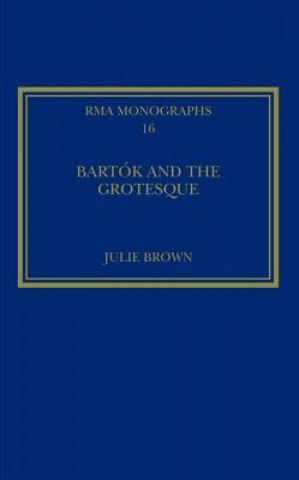
Bartok and the Grotesque
Autor Julie Brown
The grotesque is one of art's most puzzling figures - transgressive, comprising an unresolvable hybrid, generally focussing on the human body, full of hyperbole, and ultimately semantically deeply puzzling. In "Bluebeard's Castle" ... celý popis


- Jazyk:
 Angličtina
 - Vazba: Pevná
- Počet stran: 192
Nakladatelství: Taylor & Francis Ltd, 2007
- Více informací o knize

5510 Kč
Dostupnost:
50 % šance Máme informaci, že by titul mohl být dostupný. Na základě vaší objednávky se ho pokusíme do 6 týdnů zajistit.
Prohledáme celý svět
Mohlo by se vám také líbit
-

Grave Secrets
226 Kč -

Small-Scale Cheese Business
604 Kč -

Vasocottura moderna. Cottura a pressione, sterilizzazione, pastorizzazione: facile, sicuro, sostenibile
523 Kč -
Modern Sicily: The History and Legacy of the Mediterranean Island Since the Middle Ages
261 Kč -

Solutions: Upper-Intermediate: Class Audio CDs (2)
758 Kč -

Tribologia delle pastiglie dei freni
813 Kč -

Ale už dosť!
141 Kč -
Die Auslandstätigkeit der Deutschen Telekom
1181 Kč -
Aura Rosenberg: Head Shots: Photographs by Aura Rosenberg
525 Kč -
Asdahlia-Child of the Sea
756 Kč -
Lucy Maud Montgomery Short Stories, 1904
279 Kč -
La Fontaine: And Other French Fabulists (1882)
598 Kč -
American Miscellany
242 Kč -

Accountability in Human Resource Management
5435 Kč
Darujte tuto knihu ještě dnes
- Objednejte knihu a zvolte Zaslat jako dárek.
- Obratem obdržíte darovací poukaz na knihu, který můžete ihned předat obdarovanému.
- Knihu zašleme na adresu obdarovaného, o nic se nestaráte.
Informovat o naskladnění knihy
Zadejte do formuláře e-mailovou adresu a jakmile knihu naskladníme, zašleme vám o tom zprávu. Pohlídáme vše za vás.
Více informací o knize Bartok and the Grotesque
Nákupem získáte 551 bodů
 Anotace knihy
The grotesque is one of art's most puzzling figures - transgressive, comprising an unresolvable hybrid, generally focussing on the human body, full of hyperbole, and ultimately semantically deeply puzzling. In "Bluebeard's Castle" (1911), "The Wooden Prince" (1916/17), "The Miraculous Mandarin" (1919/24, rev. 1931) and "Cantata Profana" (1930), Bartok engaged scenarios featuring either overtly grotesque bodies or closely related transformations and violations of the body. In a number of instrumental works he also overtly engaged grotesque satirical strategies, sometimes - as in "Two Portraits: 'Ideal' and 'Grotesque'" - indicating this in the title.In this book, Julie Brown argues that Bartok's concerns with stylistic hybridity (high-low, East-West, tonalatonal-modal), the body, and the grotesque are inter-connected. While Bartok developed each interest in highly individual ways, and did so separately to a considerable extent, the three concerns remained conceptually interlinked. All three were throughly implicated in cultural constructions of the Modern during the period in which Bartok was composing.
Parametry knihy
Zařazení knihy Knihy v angličtině The arts Music Music: styles & genres
5510 Kč
- Plný název: Bartok and the Grotesque
- Autor: Julie Brown
- Jazyk: Angličtina
- Vazba: Pevná
- Počet stran: 192
- EAN: 9780754657774
- ISBN: 0754657779
- ID: 04680342
- Nakladatelství: Taylor & Francis Ltd
- Hmotnost: 408 g
- Datum vydání: 28. October 2007
Oblíbené z jiného soudku
-

Moonwalk
270 Kč -
Dancing The Dream
517 Kč -

Michael Jackson
467 Kč -

Just Kids
276 Kč -

My Friend Michael
436 Kč -
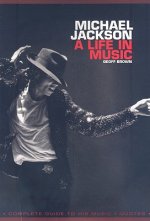
Michael Jackson
272 Kč -

In the Studio with Michael Jackson
792 Kč -

M Train
293 Kč -
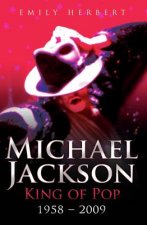
Michael Jackson King of Pop 1958-2009
337 Kč -

Lords Of Chaos - 2nd Edition
393 Kč -
Scales and Finger Exercises
230 Kč -

I'm with the Band
289 Kč -

I Am Ozzy
285 Kč -

A Perfect Union of Contrary Things
334 Kč -

Everybody Loves Our Town
314 Kč -
Jazz Piano Book
925 Kč -
Inside Out
366 Kč -
Michael Jackson
666 Kč -
Retromania
366 Kč -
Lifting Shadows The Authorized Biography of Dream Theater
465 Kč -
Lemmy
248 Kč -
Learning to Fly
292 Kč -

Shut Up and Give Me the Mic
350 Kč -

Psychology of the Transference
735 Kč -

NOFX
375 Kč -
Pink Floyd All The Songs
956 Kč -
Ocean of Sound
272 Kč -
Franz Liszt
489 Kč -
Coal Black Mornings
292 Kč -
Franz Liszt
489 Kč -

Franz Liszt
489 Kč -

Beatles Discography - The Releases
795 Kč -
Rod: The Autobiography
359 Kč -
Composing for the Jazz Orchestra
826 Kč -
Queens of the Stone Age: No One Knows
350 Kč -
Paul McCartney
325 Kč -

Metallica: Enter Night
407 Kč -

Over the Top and Back
292 Kč -
Love Saves the Day
505 Kč -

Isaac Albeniz
3635 Kč -
Jazzology
646 Kč -
Cured
357 Kč -
Michael Jackson
510 Kč -
Ravel: Sheet Music for Piano
361 Kč -
Elvis and Me
186 Kč -
Real Book
858 Kč -
The Long Hard Road Out Of Hell
301 Kč -
Standing in the Shadows of Motown
645 Kč -
Jazz Theory Book
1221 Kč
Osobní odběr Praha, Brno a 46994 dalších
Copyright ©2008-26 nejlevnejsi-knihy.cz Všechna práva vyhrazenaSoukromíCookies

 Vrácení do měsíce
 571 999 099 (8-15.30h)