Kód: 04783131
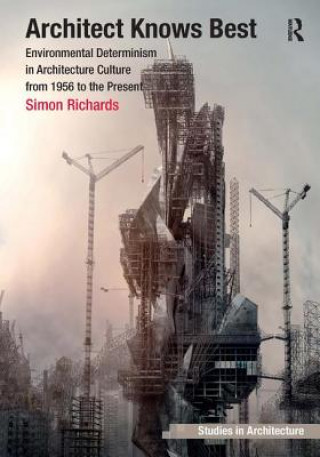
Architect Knows Best
Autor Simon Richards
The idea that buildings could be used to reform human behaviour and improve society was fundamental to the 'modernist' architecture and planning of people like Walter Gropius, Le Corbusier and Jose Luis Sert in the first half of t ... celý popis


- Jazyk:
 Angličtina
 - Vazba: Pevná
- Počet stran: 192
Nakladatelství: Taylor & Francis Ltd, 2012
- Více informací o knize

5127 Kč
Dostupnost:
50 % šance Máme informaci, že by titul mohl být dostupný. Na základě vaší objednávky se ho pokusíme do 6 týdnů zajistit.
Prohledáme celý svět
Mohlo by se vám také líbit
-

Neapol i Kampania. Pascal Lajt
174 Kč -

Running Carnet d'Entraînement: Carnet d'entraînement course ? pied: Objectifs, distance, durée, bilan des séances etc....suivre sa progression séance
192 Kč -

Advertising and Selling: Principles of Appeal and Response
547 Kč -

El prodigioso experimento del doctor Beauchamp
118 Kč -

Charade
319 Kč -

3 MESES PARA VOLVERSE Un JUGADOR DE RUGBY SUPERIOR: UNA GUIA INTEGRAL DE ENTRENAMIENTO PARA RUGBY De ALTO RENDIMIENTO
450 Kč -

Natural Resource Abundance, Growth, and Diversification in the Middle East and North Africa
768 Kč
Darujte tuto knihu ještě dnes
- Objednejte knihu a zvolte Zaslat jako dárek.
- Obratem obdržíte darovací poukaz na knihu, který můžete ihned předat obdarovanému.
- Knihu zašleme na adresu obdarovaného, o nic se nestaráte.
Informovat o naskladnění knihy
Zadejte do formuláře e-mailovou adresu a jakmile knihu naskladníme, zašleme vám o tom zprávu. Pohlídáme vše za vás.
Více informací o knize Architect Knows Best
Nákupem získáte 513 bodů
 Anotace knihy
The idea that buildings could be used to reform human behaviour and improve society was fundamental to the 'modernist' architecture and planning of people like Walter Gropius, Le Corbusier and Jose Luis Sert in the first half of the 20th century. Their proposals for functional zoning, multi-level transport, high-rise living, and machine-inspired aesthetics came under attack from the 1950s onwards, and many alternative approaches to architecture and planning emerged. It was thought that the environmental determinist strand of the discourse was killed off at this time as well. This book argues that it was not, but on the contrary, that it has deepened and diversified. Many of the most prominent architect-planners continue to design with a view to improving the behaviour of individual people and of society at large. By looking at - and interviewing - major figures and movements of recent years in Britain, Europe and America, including Leon Krier, Peter Eisenman, Andres Duany, Jane Jacobs, Robert Venturi and Denise Scott Brown, it demonstrates the myriad ways that architect-planners seek to shape human behaviour through buildings. In doing so, the book raises awareness of this strand within the discourse and examines its different purposes and manifestations. It questions whether it is an ineradicable and beneficial part of architecture and planning, or a regrettable throwback to a more authoritarian phase, discusses why is it seldom acknowledged directly and whether it could be handled more responsibly and with greater understanding. Richards does not provide any simple solutions but in conclusion, is critical of architect-planners who abuse the rhetoric of social reform simply to leverage their attempts to secure building commissions, while being more sympathetic towards those who appear to have a sincere desire to improve society through their buildings.
Parametry knihy
Zařazení knihy Knihy v angličtině The arts Architecture Architectural structure & design
5127 Kč
- Plný název: Architect Knows Best
- Podnázev: Environmental Determinism in Architecture Culture from 1956 to the Present
- Autor: Simon Richards
- Jazyk: Angličtina
- Vazba: Pevná
- Počet stran: 192
- EAN: 9781409439226
- ISBN: 1409439224
- ID: 04783131
- Nakladatelství: Taylor & Francis Ltd
- Hmotnost: 570 g
- Rozměry: 179 × 246 × 17 mm
- Datum vydání: 28. June 2012
Oblíbené z jiného soudku
-

Floor Plan Manual Housing
1512 Kč -

Green Architecture
429 Kč -

Detail in Contemporary Timber Architecture (paperback)
850 Kč -

BIG. Yes is More. An Archicomic on Architectural Evolution
560 Kč -

Conditional Design
309 Kč -
Contemporary Concrete Buildings
451 Kč -

Japanese Teahouse
1213 Kč -

Green Building Envelopes
840 Kč -

Typology 2
1002 Kč -
Manual of Multistorey Timber Construction
2777 Kč -

100 Contemporary Brick Buildings
1017 Kč -

Parametric Design for Architecture
769 Kč -

Architectural Material & Detail Structure: Glass
1095 Kč -

Diagram Diaries
415 Kč -

Spaces for Young Children, Second Edition
487 Kč -

Contemporary Mexican Architecture: Continuing the Heritage of Luis BarragAn
1238 Kč -

Architecture of Natural Cooling
1651 Kč -

How to Read Buildings
314 Kč -

Design Drawing, Third Edition
1319 Kč -

Architect's Pocket Book of Kitchen Design
1156 Kč -

Cabin Porn
325 Kč -

Architectural Lighting Design
467 Kč -

Why Buildings Fall Down
334 Kč -

British Architectural Styles: An Easy Reference Guide
138 Kč -

Architectural Styles
445 Kč -

Architectural Styles
444 Kč -

Fast Guide to Architectural Form
315 Kč -

Where Architects Sleep
425 Kč -

Building with Cob
859 Kč -

Essential Rammed Earth Construction
858 Kč -

Albert Frey
336 Kč -

Handbook of Biophilic City Planning & Design
1110 Kč -

Adaptive Reuse in Architecture
1273 Kč -

Brutalism
523 Kč -

Single-Family Houses
1456 Kč -

Making Dystopia
865 Kč -
Staircase
1069 Kč -

Essential Natural Plasters
653 Kč -

Into the Woods
907 Kč -

101 Tiny House Designs: The Ultimate Collection of Tiny House Design
459 Kč -

Experimental Preservation
709 Kč -

SketchUp to LayOut
972 Kč -
Form and Forces - Designing Efficient, Expressive Structures +WS
2974 Kč -

Sir Banister Fletcher's Global History of Architecture
14088 Kč -

Design with Climate
833 Kč -
Trees, Time, Architecture!
713 Kč -

Prefab Architecture
1988 Kč -

Design Professional's Guide to Zero Net Energy Buildings
878 Kč -

Managing the Brief for Better Design
1819 Kč
Osobní odběr Praha, Brno a 46029 dalších
Copyright ©2008-26 nejlevnejsi-knihy.cz Všechna práva vyhrazenaSoukromíCookies

 Vrácení do měsíce
 571 999 099 (8-15.30h)