Kód: 02596812
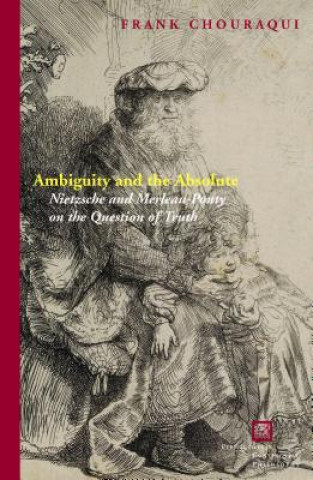
Ambiguity and the Absolute
Autor Frank Chouraqui
This book seeks to make a contribution to the history of modern philosophy by establishing a structural link between the thoughts of Friedrich Nietzsche and Maurice Merleau-Ponty. It is intended as a systematic exposition of both ... celý popis


- Jazyk:
 Angličtina
 - Vazba: Pevná
- Počet stran: 328
Nakladatelství: Fordham University Press, 2013
- Více informací o knize

1651 Kč
Dostupnost:
50 % šance Máme informaci, že by titul mohl být dostupný. Na základě vaší objednávky se ho pokusíme do 6 týdnů zajistit.
Prohledáme celý svět
Mohlo by se vám také líbit
-

Beginner's Guide to Digital Painting in Procreate
536 Kč -

Tajné dechové techniky starých jogínů
379 Kč -

BSAVA Small Animal Formulary Eleventh Edition Part B Exotic Pets
1736 Kč -
Handbook of Clinical Anesthesia
2010 Kč -

Das bin ich und ich bin gut - Montessori inspiriertes Vorschulbuch
349 Kč -

200 Knitted Blocks
308 Kč -

An American Werewolf in London, 2 Blu-ray (Woolston Artwork)
669 Kč -

Стихи и сказки (ил. В. Канивца)
319 Kč -

Als der Krieg zu Ende war - die Grenzstadt Schaffhausen im Jahre 1945
409 Kč -
Intersecting Film, Music, and Queerness
687 Kč -
Rechtliche Aspekte in der Medea des Euripides, Ovid und Seneca
369 Kč -

Unmasking Kelsey
253 Kč -

Repertorium fur Kunstwissenschaft
711 Kč -

Das Beschränkungsverbot des Art. 39 EG (Freizügigkeit) und seine Auswirkungen auf das nationale Arbeitsrecht.
3328 Kč -
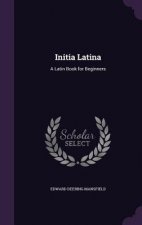
INITIA LATINA: A LATIN BOOK FOR BEGINNER
728 Kč -

And Miles to Go Before I Sleep
465 Kč -

Voet Book XXXVI. Titles I. and II. Ad S. C. Trebellianum and Therein Mainly of Fidei-Commissa and the Vesting of Legacies and of Fidei-Commissa. (Excl
437 Kč -

Captain Barnaby's Helicopter School For Bears
620 Kč -

Bioetanolo: Da ceppi selvatici di Saccharomyces utilizzando Citrus sinensis
893 Kč -

Agenda Lama: Agenda Universel Avec Couverture Et Int
278 Kč -
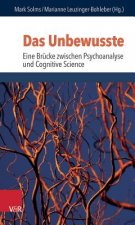
Das Unbewusste
1403 Kč
Darujte tuto knihu ještě dnes
- Objednejte knihu a zvolte Zaslat jako dárek.
- Obratem obdržíte darovací poukaz na knihu, který můžete ihned předat obdarovanému.
- Knihu zašleme na adresu obdarovaného, o nic se nestaráte.
Informovat o naskladnění knihy
Zadejte do formuláře e-mailovou adresu a jakmile knihu naskladníme, zašleme vám o tom zprávu. Pohlídáme vše za vás.
Více informací o knize Ambiguity and the Absolute
Nákupem získáte 165 bodů
 Anotace knihy
This book seeks to make a contribution to the history of modern philosophy by establishing a structural link between the thoughts of Friedrich Nietzsche and Maurice Merleau-Ponty. It is intended as a systematic exposition of both philosopher's key thoughts, as well as an inquiry on the origins of so-called continental philosophy. I argue that this link lies in the question of truth: although both thinkers criticize the traditional concept of truth as objectivity, they both find in the existence of this very concept a problem that its rejection alone does not solve. What is it in our natural existence that gave rise to the notion of truth? It is this questioning which I call the "question of truth." I locate three ways in which the question of truth informs Nietzsche and Merleau-Ponty's thoughts. Firstly, both thinkers propose a genealogy of the concept of "truth," one in which they suggest that our natural existence is structured in a pre-objective way: to exist means to make implicit truth claims. Further, they each explain the appearance of our belief in truth in terms of a radicalization of this implicit attribution of truth, which Nietzsche calls sublimation and Merleau-Ponty sedimentation. Secondly, both thinkers seek to recover the pre-objective ground from which truth as an erroneous concept arose. They propose strikingly similar methods to do so. This ground, once uncovered, must be examined. This investigation leads both Nietzsche and Merleau-Ponty to ontological considerations. They both ask how we must conceive of a Being whose structure allows for the existence of the belief in truth, or as I argue, error. As a conclusion, I suggest that both thinkers' investigations of the question of truth lead them to conceive of Being in a similar way, as the process of self-falsification by which indeterminate Being presents itself as determinate.
Parametry knihy
Zařazení knihy Knihy v angličtině Humanities Philosophy Philosophy: epistemology & theory of knowledge
1651 Kč
- Plný název: Ambiguity and the Absolute
- Autor: Frank Chouraqui
- Jazyk: Angličtina
- Vazba: Pevná
- Počet stran: 328
- EAN: 9780823254118
- ISBN: 0823254119
- ID: 02596812
- Nakladatelství: Fordham University Press
- Hmotnost: 562 g
- Rozměry: 229 × 152 × 31 mm
- Datum vydání: 02. December 2013
Oblíbené z jiného soudku
-

Trade Like a Stock Market Wizard
521 Kč -
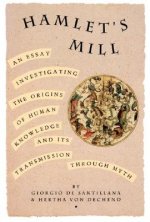
Hamlet's Mill
552 Kč -

Soul of the Marionette
260 Kč -
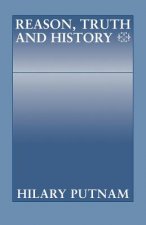
Reason, Truth and History
686 Kč -
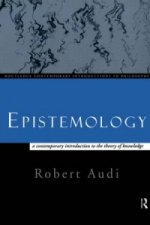
Epistemology
583 Kč -

Short History of Decay
281 Kč -

Fabric of Reality
292 Kč -
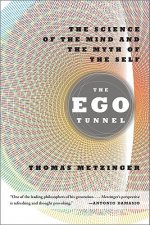
Ego Tunnel
555 Kč -
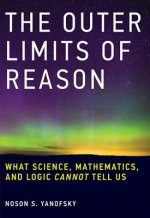
Outer Limits of Reason
493 Kč -
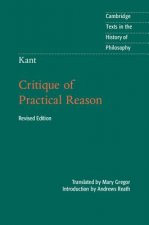
Kant: Critique of Practical Reason
525 Kč -
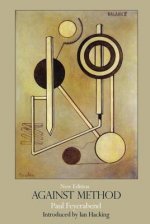
Against Method
435 Kč -
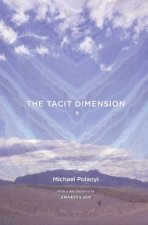
Tacit Dimension
565 Kč -

Truth and Method
838 Kč -
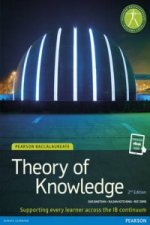
Pearson Baccalaureate Theory of Knowledge second edition print and ebook bundle for the IB Diploma
1332 Kč -
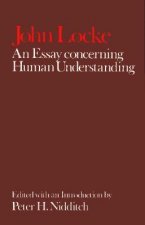
John Locke: An Essay concerning Human Understanding
1095 Kč -
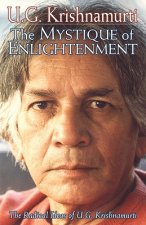
Mystique of Enlightenment
299 Kč -
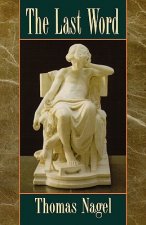
Last Word
836 Kč -
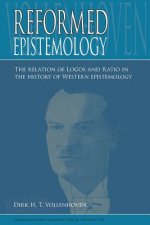
Reformed Epistemology
372 Kč -
Truth and the Past
690 Kč -
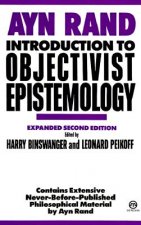
Introduction to Objectivist Epistemology
487 Kč -
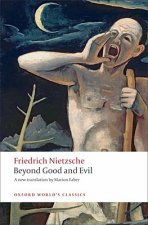
Beyond Good and Evil
209 Kč -
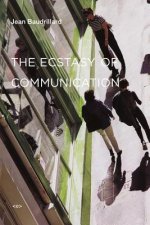
Ecstasy of Communication
280 Kč -
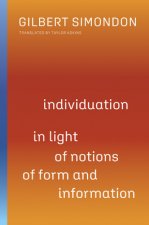
Individuation in Light of Notions of Form and Information
639 Kč -
Cambridge Companion to Kant's Critique of Pure Reason
1002 Kč -
Artistic Research Methodology
1012 Kč -
Logic of Liberty
264 Kč -
Posthuman Knowledge
450 Kč -

What Does It All Mean?
1045 Kč -
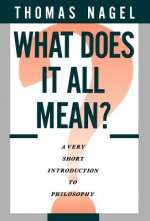
What Does It All Mean?
827 Kč -
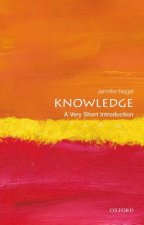
Knowledge: A Very Short Introduction
236 Kč -
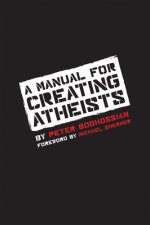
Manual for Creating Atheists
280 Kč -
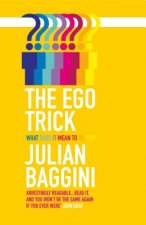
Ego Trick
226 Kč -
Self and Other
817 Kč -

Objectivity
986 Kč -
Against Epistemology - A Metacritique
509 Kč -
Intuition of the Instant
485 Kč -

Opacity of Mind
468 Kč -
Transcendence of the Ego
617 Kč -
On Complexity
601 Kč -
Origins of Knowledge and Imagination
437 Kč -
Pursuit of Truth
966 Kč -
Objectivity: A Very Short Introduction
225 Kč -
Inquiring Mind
907 Kč -
Kant and the Capacity to Judge
1845 Kč -
What is Epistemology?
450 Kč -
Internarrative Identity
1155 Kč -

Being Wrong
248 Kč -
Hermeneutics: A Very Short Introduction
225 Kč -
Transformative Experience
756 Kč
Osobní odběr Praha, Brno a 46788 dalších
Copyright ©2008-26 nejlevnejsi-knihy.cz Všechna práva vyhrazenaSoukromíCookies

 Vrácení do měsíce
 571 999 099 (8-15.30h)